
The 2nd Global International Organization Youth Talent Development Summit Forum opened at City University of Hong Kong, bringing together young people, international organization representatives, university leaders and scholars to advance talent development for global governance.
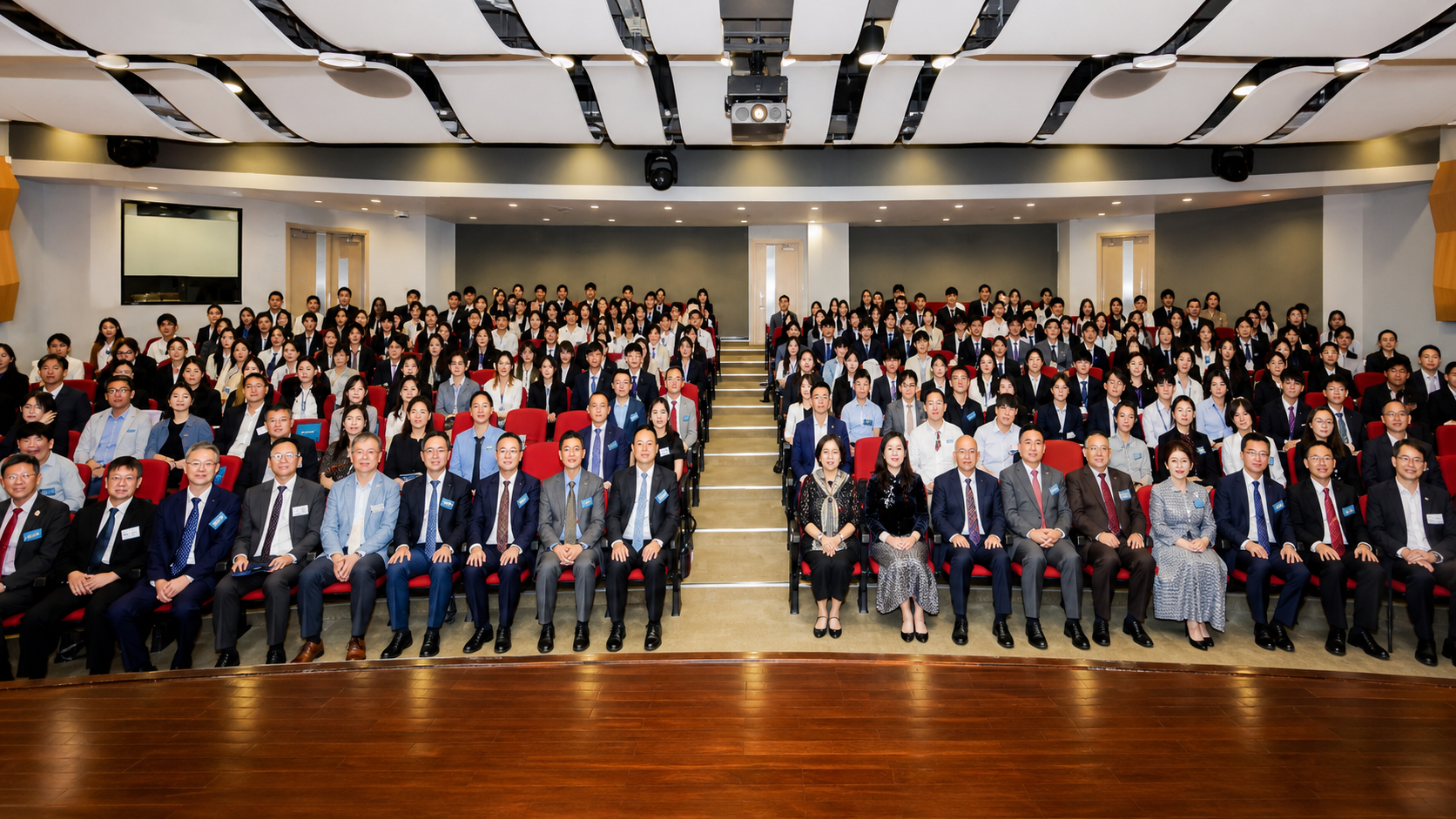
Grounded in the ongoing transformation of the global governance system and aligned with the HKSAR’s ambition to build an international education hub and attract top-tier talent, the Forum was co-hosted by the Department of Public and International Affairs of City University of Hong Kong, the Hong Kong Sino-Foreign Exchange Centre and the Global SDGs and Leadership Development Center (GSLDC).
Building on the inaugural Forum’s purpose of encouraging Chinese youth to engage with international affairs and strengthen their global competence, this edition supported young people from the Chinese Mainland, Hong Kong and Macao to understand international norms, gain practical multilateral experience and develop capabilities for international engagement.
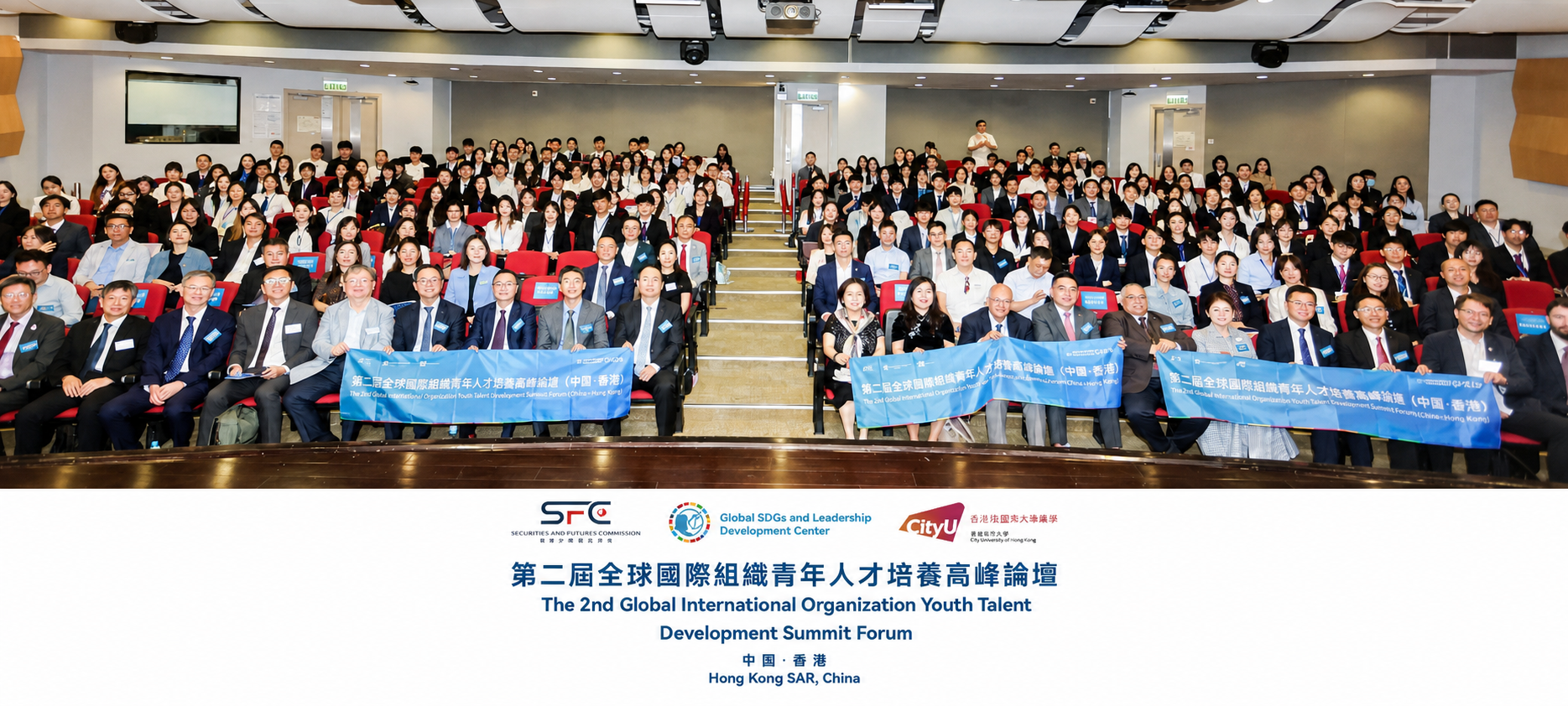
A forum for direct exchange
The programme featured four keynote sessions, a closed-door expert meeting and two thematic roundtable forums. It reflected the Forum’s two defining approaches: two-way engagement between international organizations and universities, and direct dialogue between speakers and young people.
Representatives of United Nations entities, international organizations, universities and community leaders worked together to leverage Hong Kong’s role as a gathering place for global governance talent and a regional hub for multilateral institutions.
Keynote perspectives
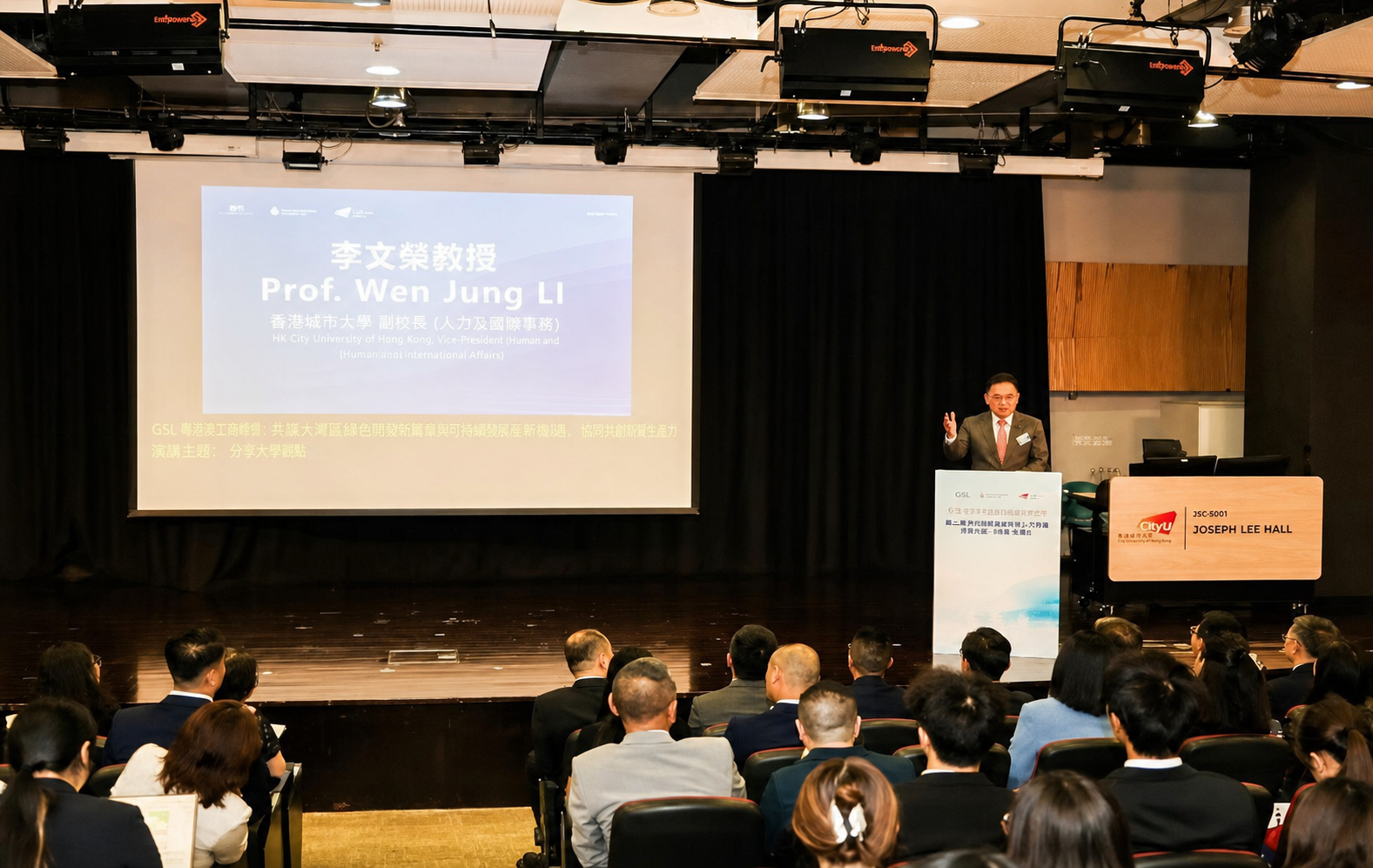
City University of Hong Kong and the multilateral knowledge network
Prof. Wen Jung LI, Vice-President (Talent and International Strategy) of City University of Hong Kong, said the university’s Department of Public and International Affairs is among the few departments in Asia with deep expertise in public governance and the multilateral work of international organizations. He noted that its public administration programme ranks 7th globally and 1st in Asia in the ShanghaiRanking Global Ranking of Academic Subjects, and encouraged participants to use the Forum as a platform for their own growth.
Hong Kong as a hub for global governance talent
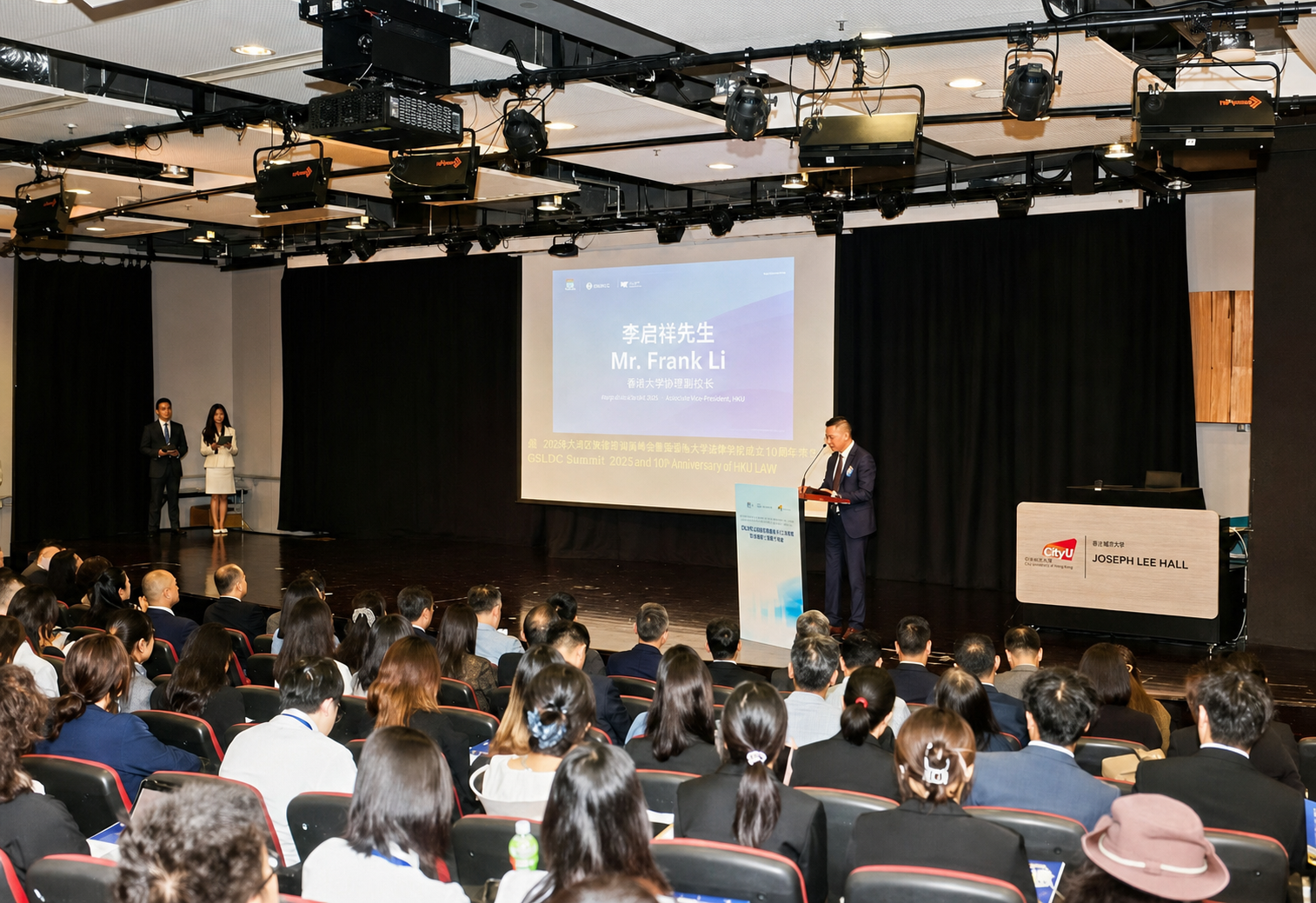
Mr. Frank LI, Chairman of the Hong Kong Sino-Foreign Exchange Centre, described the Summit Forum as the Centre’s flagship annual event. He noted that the Forum has moved into substantive collaboration with a wide range of international organizations, universities and NGOs, and that the Centre is developing a coordinated framework for youth talent development for multilateral institutions.
From capacity building to career pathways
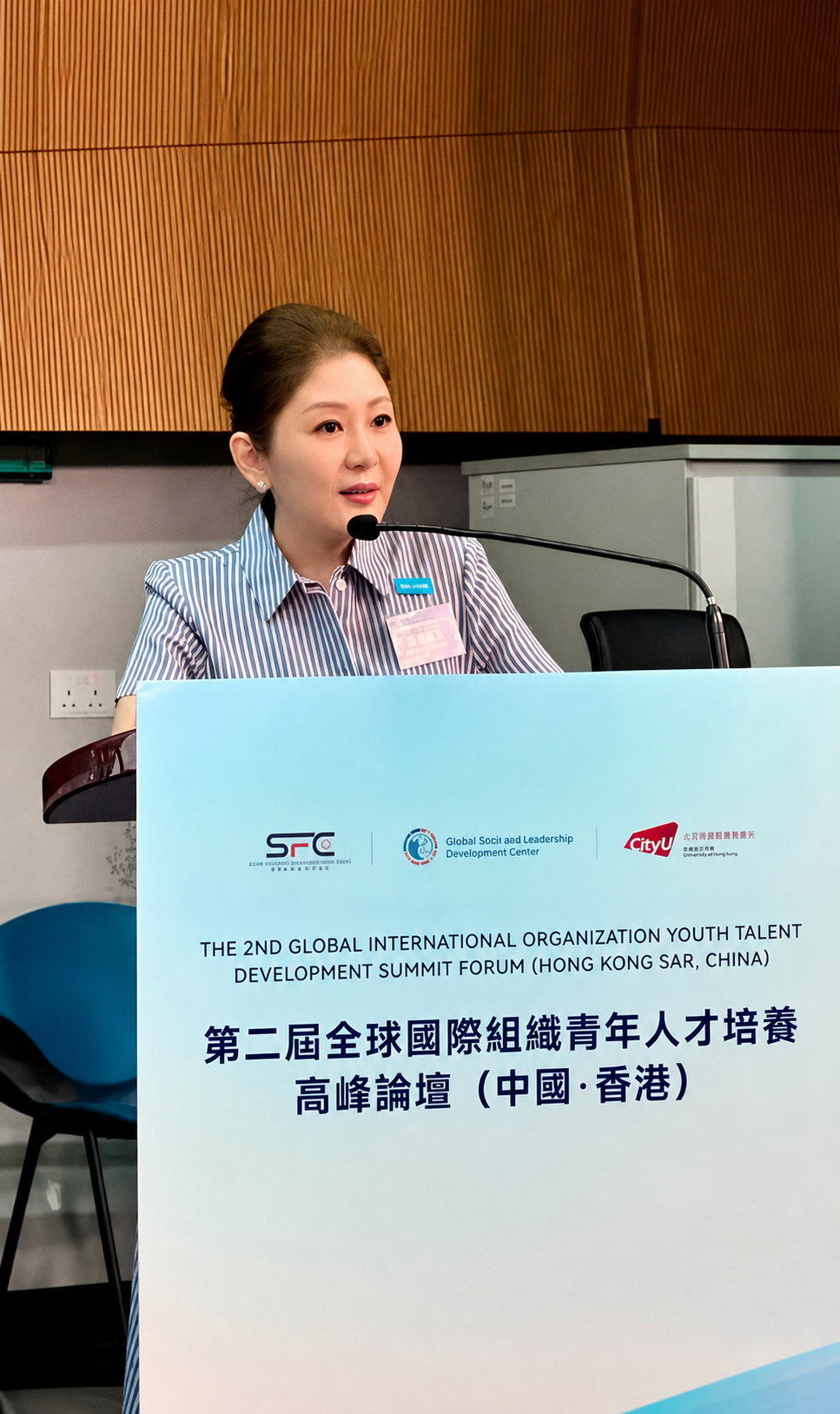
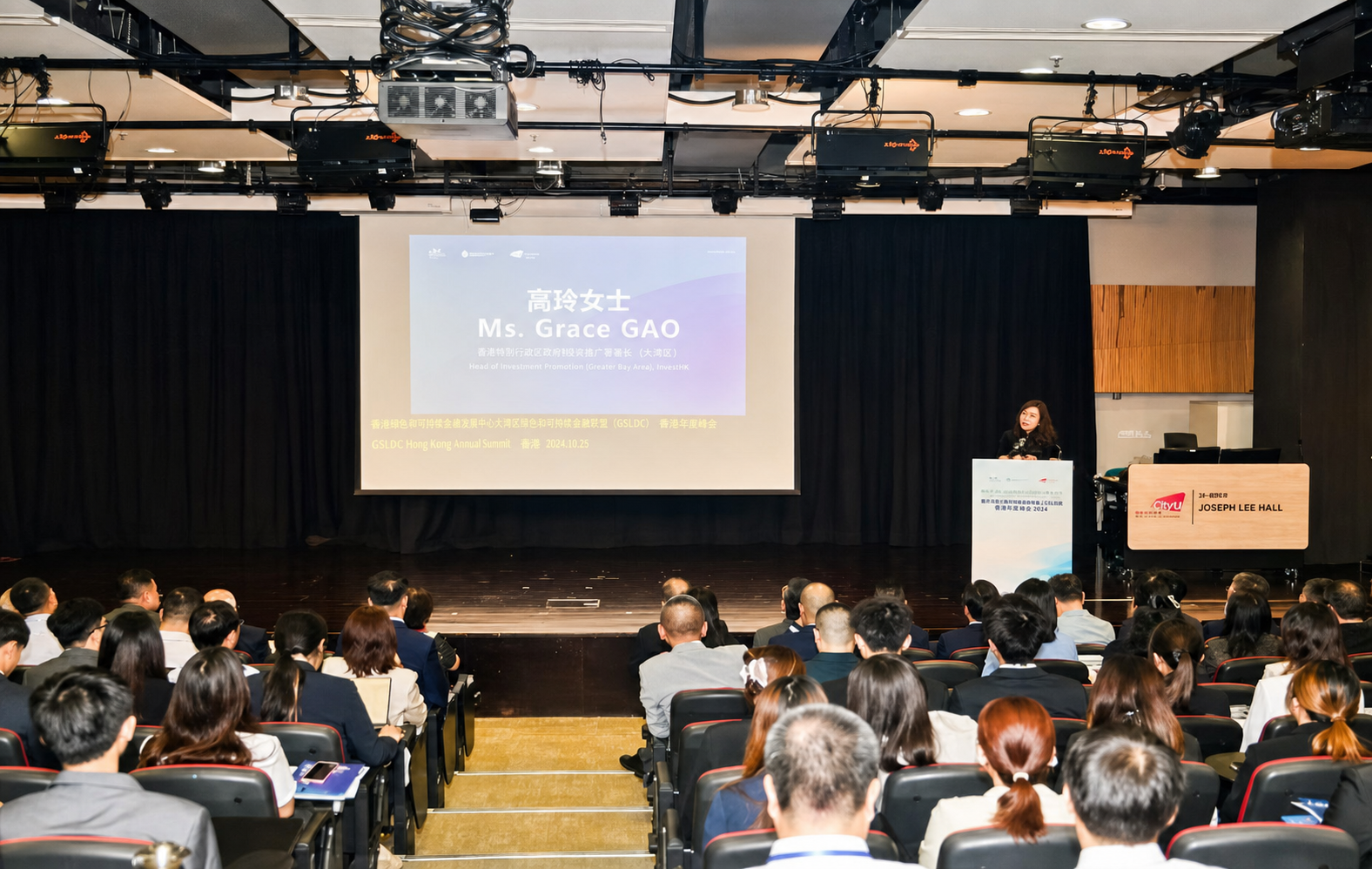
Ms. Grace GAO, Executive Director of GSLDC, described a full-chain pathway that connects capacity building with careers in international organizations. Through partnerships with international organizations and universities, the Global SDGs Youth Scholar Residency Research Program and practice-oriented micro-courses offer learning grounded in international treaty negotiation, multilateral project delivery, cross-cultural consultation, AI governance, digital cities and international law. The progressive training-internship-employment pathway links participants to international conferences and in-residence study opportunities, helping them build frontline practical experience.
Mediation, multilateral development and the SDGs
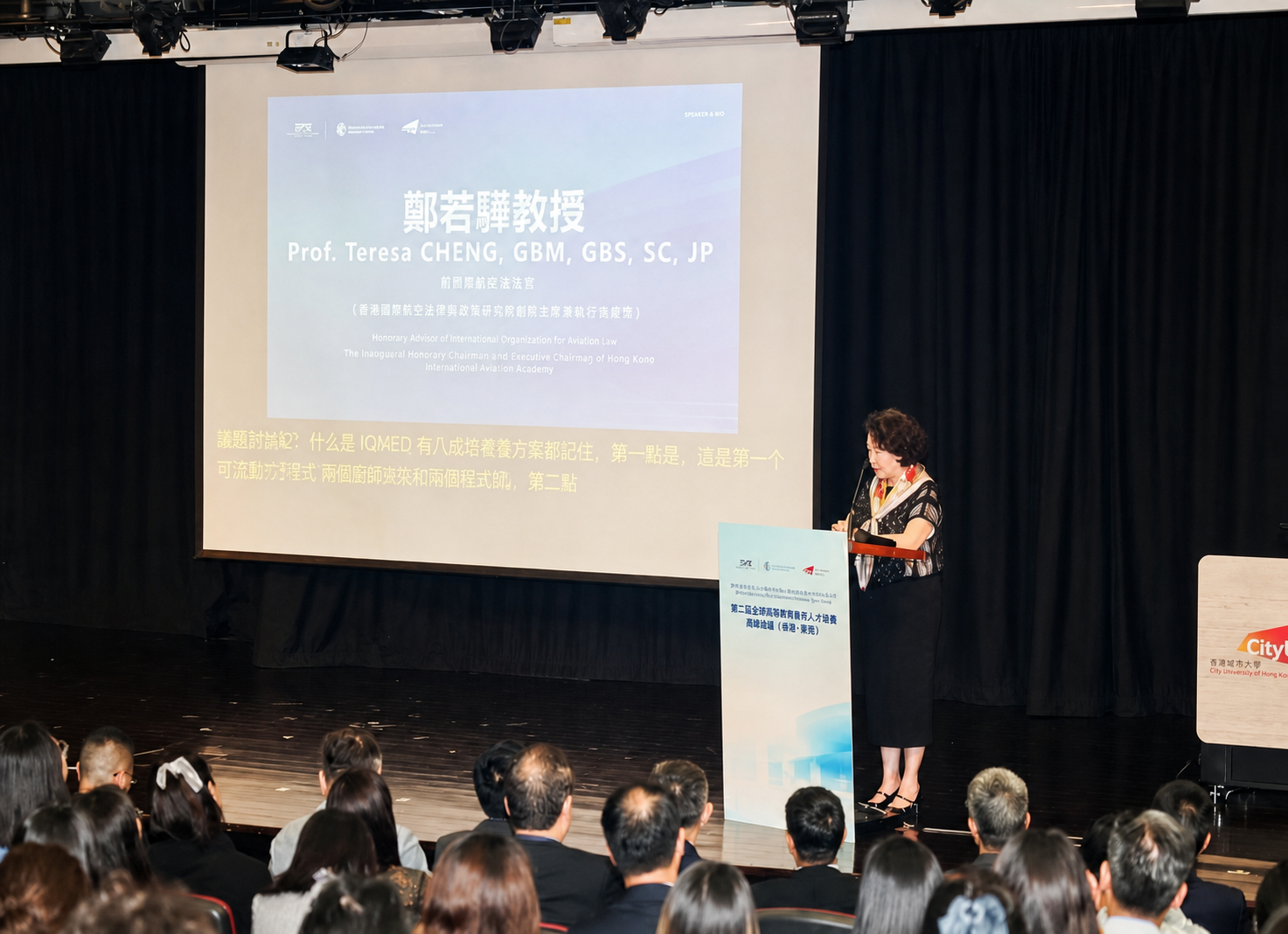
Prof. Teresa CHENG GBM, GBS, SC, JP, Secretary-General of the International Organization for Mediation, outlined the mission of the world’s first intergovernmental international legal body dedicated specifically to mediation. She noted that it signed its convention with 37 countries on the day of its establishment and now has 45 signatory states.
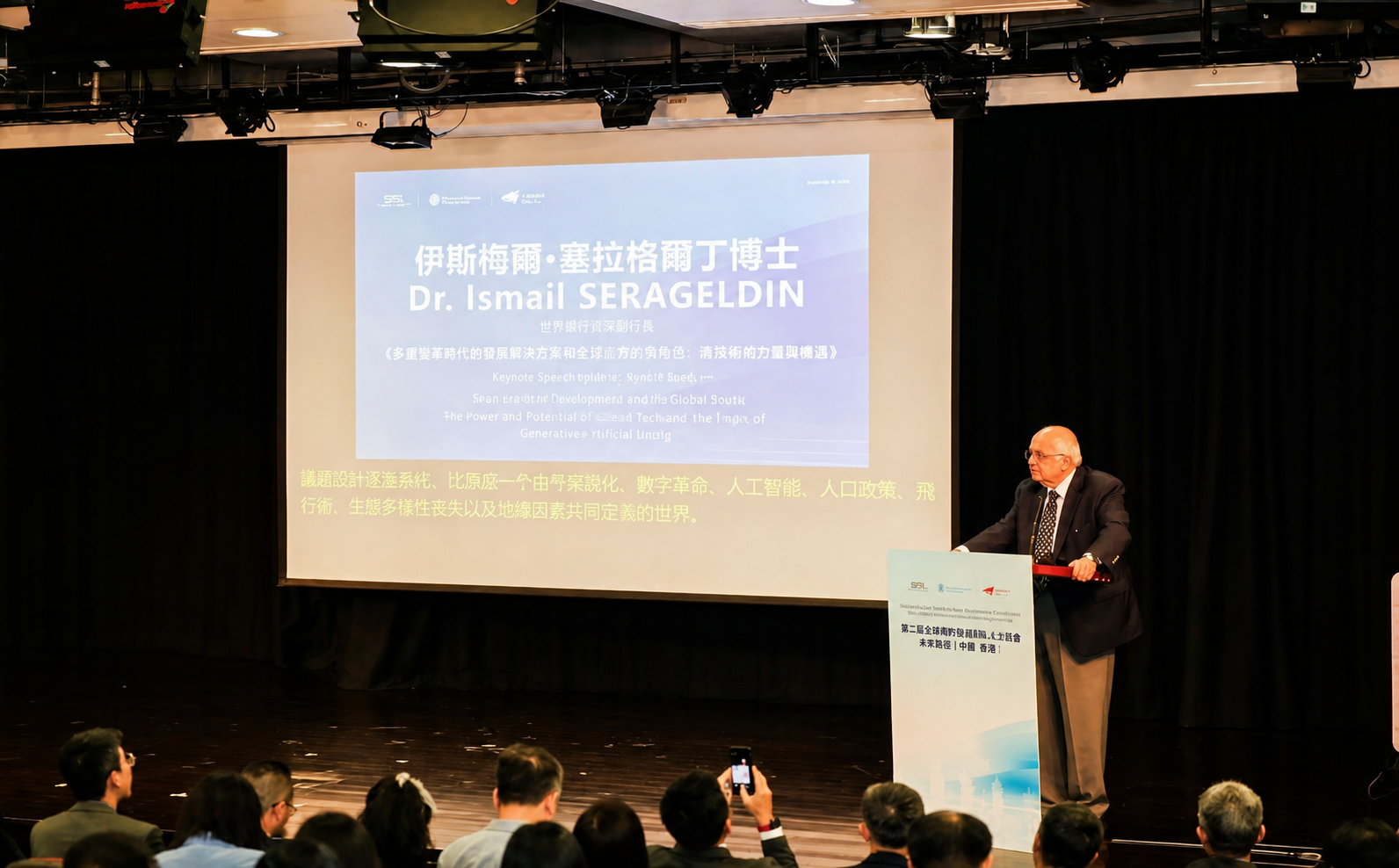
Dr. Ismail SERAGELDIN, Former Vice President of the World Bank and Co-Chair of the Nizami Ganjavi International Center (NGIC), called on young people to understand the UN financial system, engage with sustainable development and contribute to the future of international organizations.
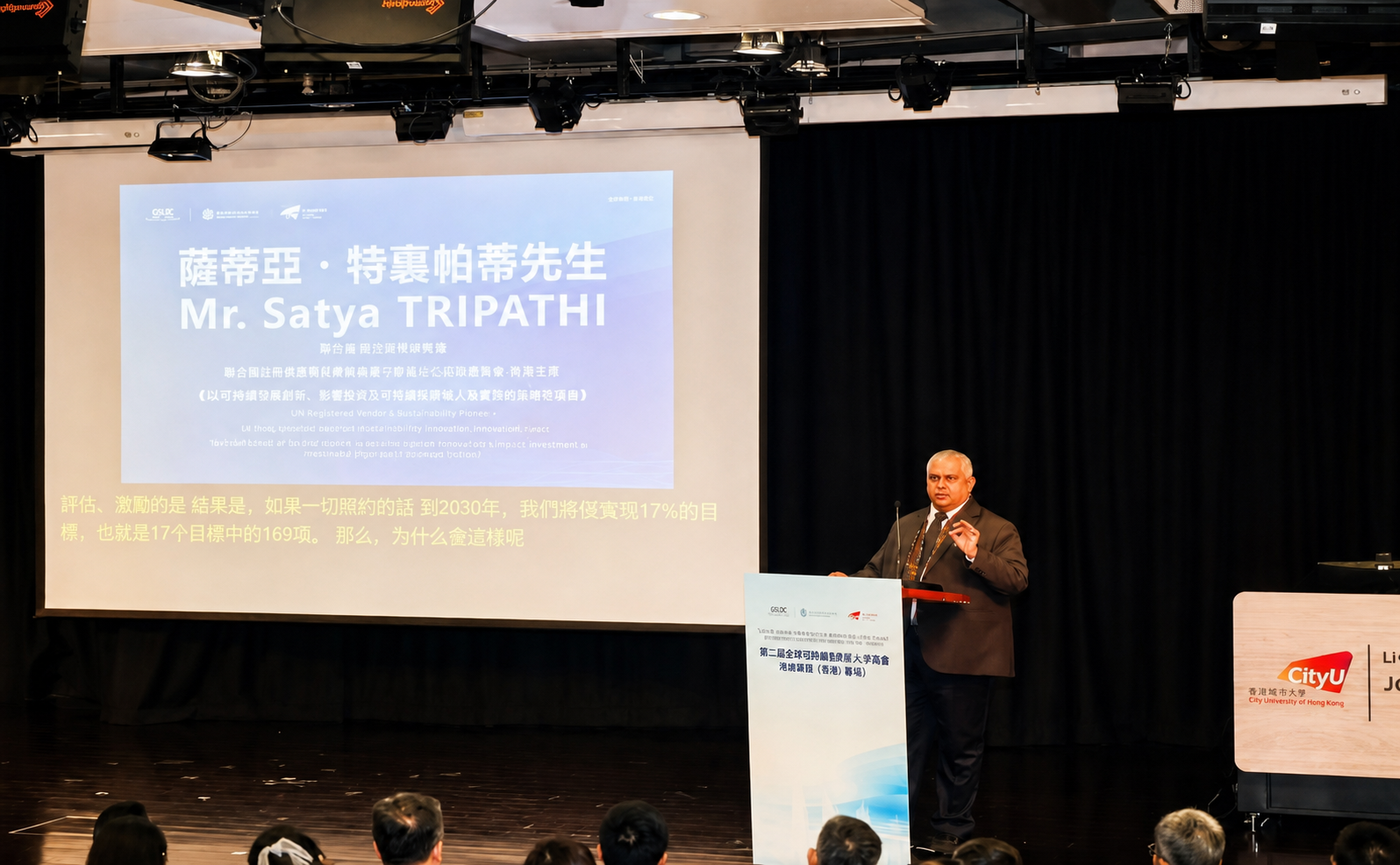
Mr. Satya S. TRIPATHI, Former Assistant Secretary-General of the United Nations, noted that the 2025 ten-year review of the 2030 Agenda showed about 18% of the Sustainable Development Goals on track and a further 17% making modest progress. He highlighted the importance of addressing structural challenges in global governance and encouraged young people to make SDG delivery a career direction.
Education, rights and intergenerational equity
Ms. Judy CHEN, Chairman of the Hong Kong Committee for UNICEF, delivered an address entitled The Other Shore of Education. She described education as a bridge between the classroom and the world, citing the 258 million children and young people who remain out of school and the 617 million children who are in classrooms but unable to master basic literacy and numeracy. She encouraged participants to use knowledge to address real-world problems and to understand education as both a right and a responsibility.
Expert meeting and thematic forums
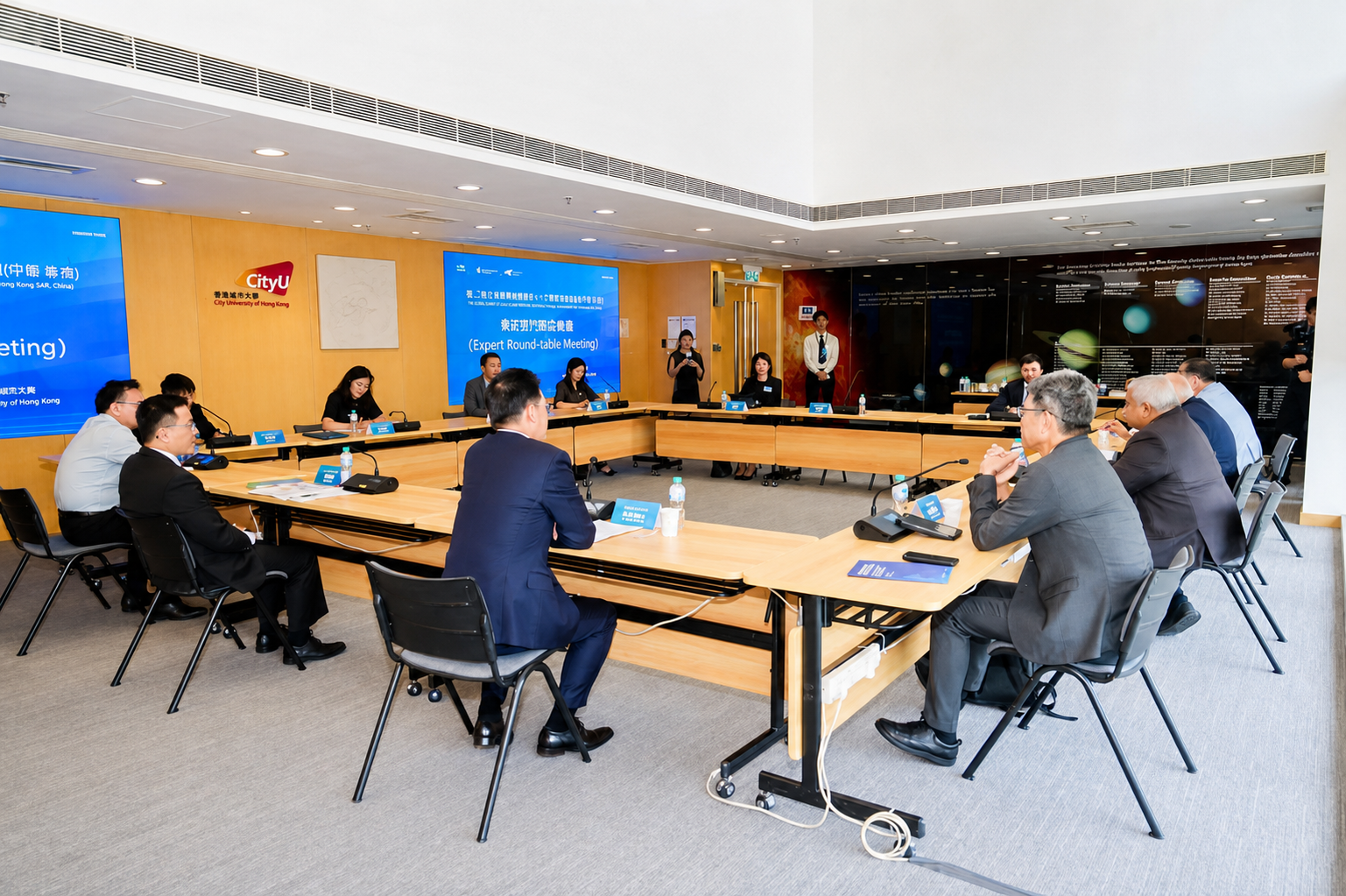
The Forum convened a high-level closed-door expert meeting on New Coordinates for International Organization Talent in the Age of AI, chaired by Prof. Michael Jinghan ZENG, Head of the Department of Public and International Affairs at City University of Hong Kong, and Ms. Grace GAO, Executive Director of GSLDC.
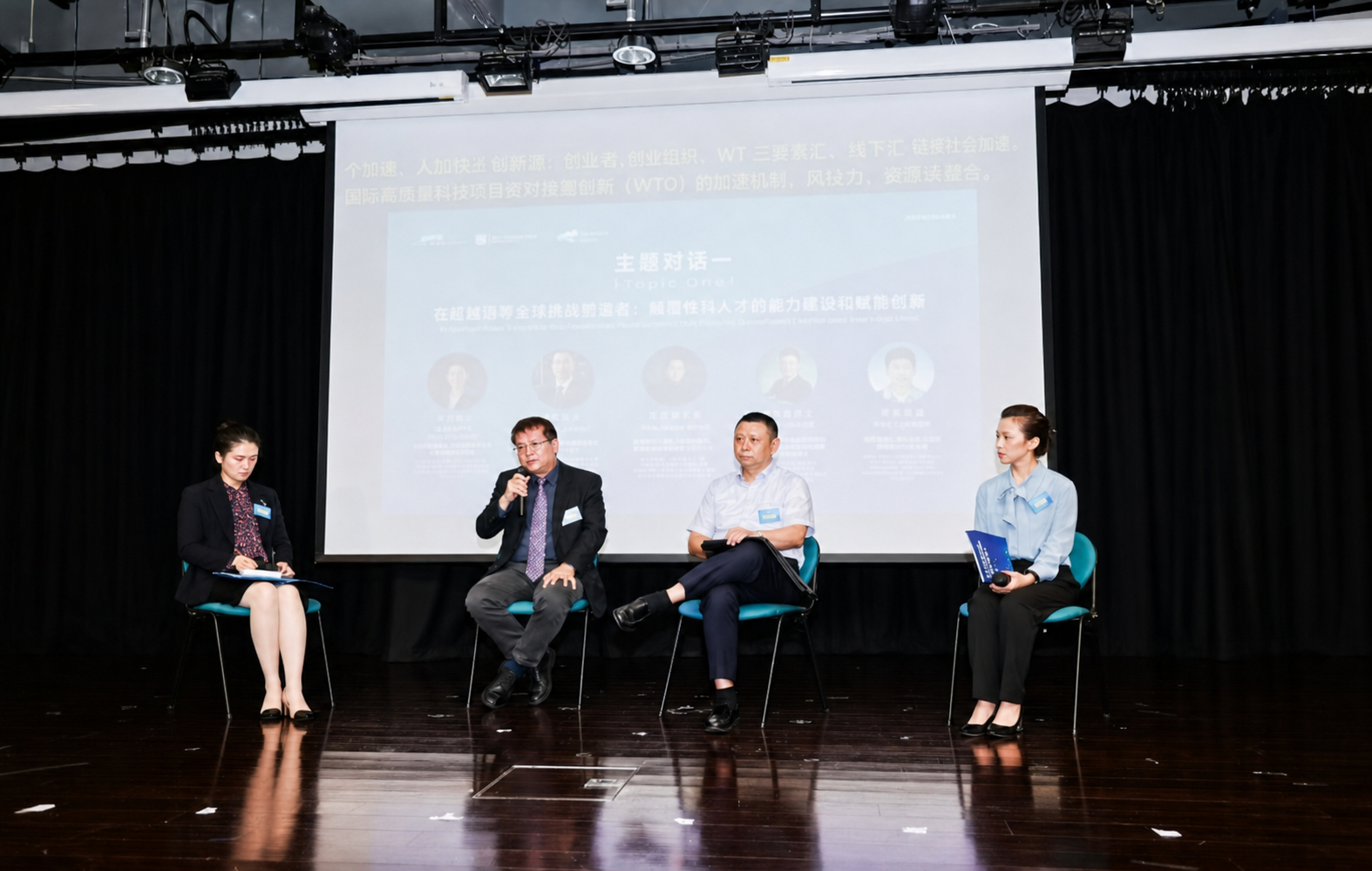
Thematic Forum I explored competency transformation and institutional participation for international legal talent. Moderated by Prof. Lu CHENG of Sichuan International Studies University, it brought together experts and scholars from The University of Hong Kong, City University of Hong Kong, Sichuan International Studies University, Jiangxi University of Finance and Economics, and GSLDC.
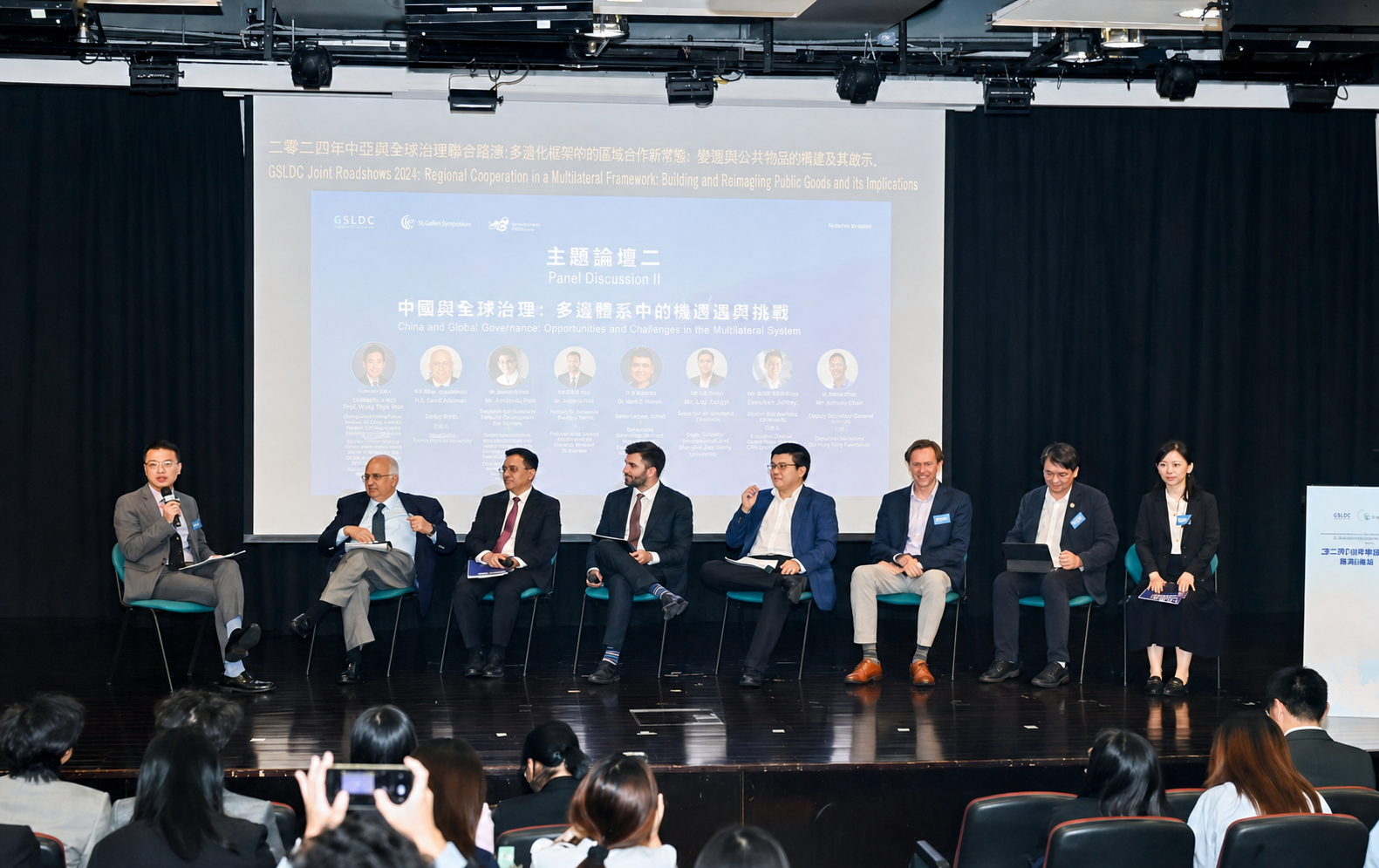
Thematic Forum II, China and Global Governance: Participants and Contributors within the Multilateral System, was moderated by Prof. Michael Jinghan ZENG. Speakers from the World Bank, The University of Hong Kong, City University of Hong Kong, The Chinese University of Hong Kong, China University of Petroleum (East China), United Nations University and NGIC discussed Hong Kong’s institutional advantages, the relationship between China and global governance, and how to act as both participant and contributor within a multilateral system.
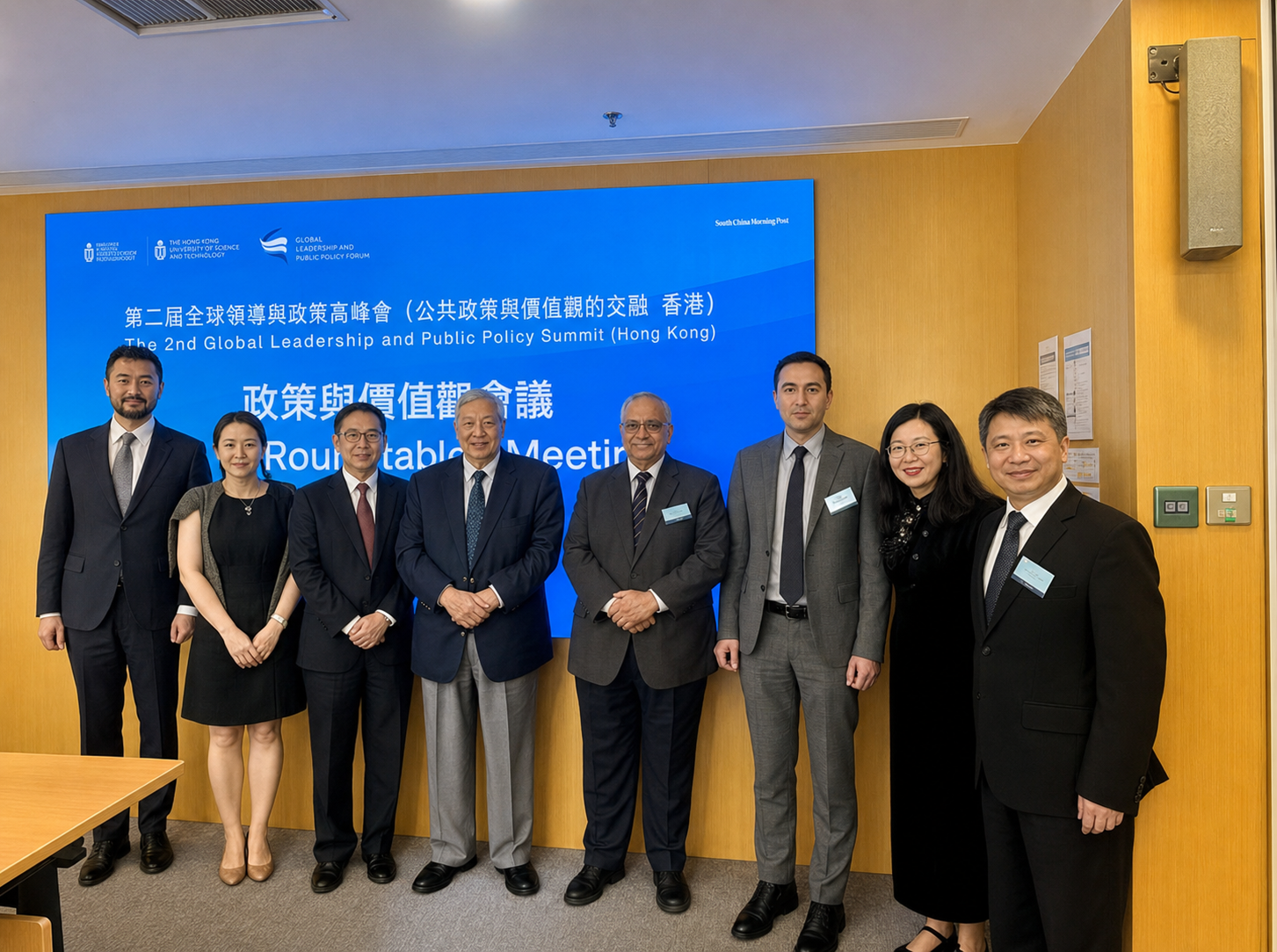
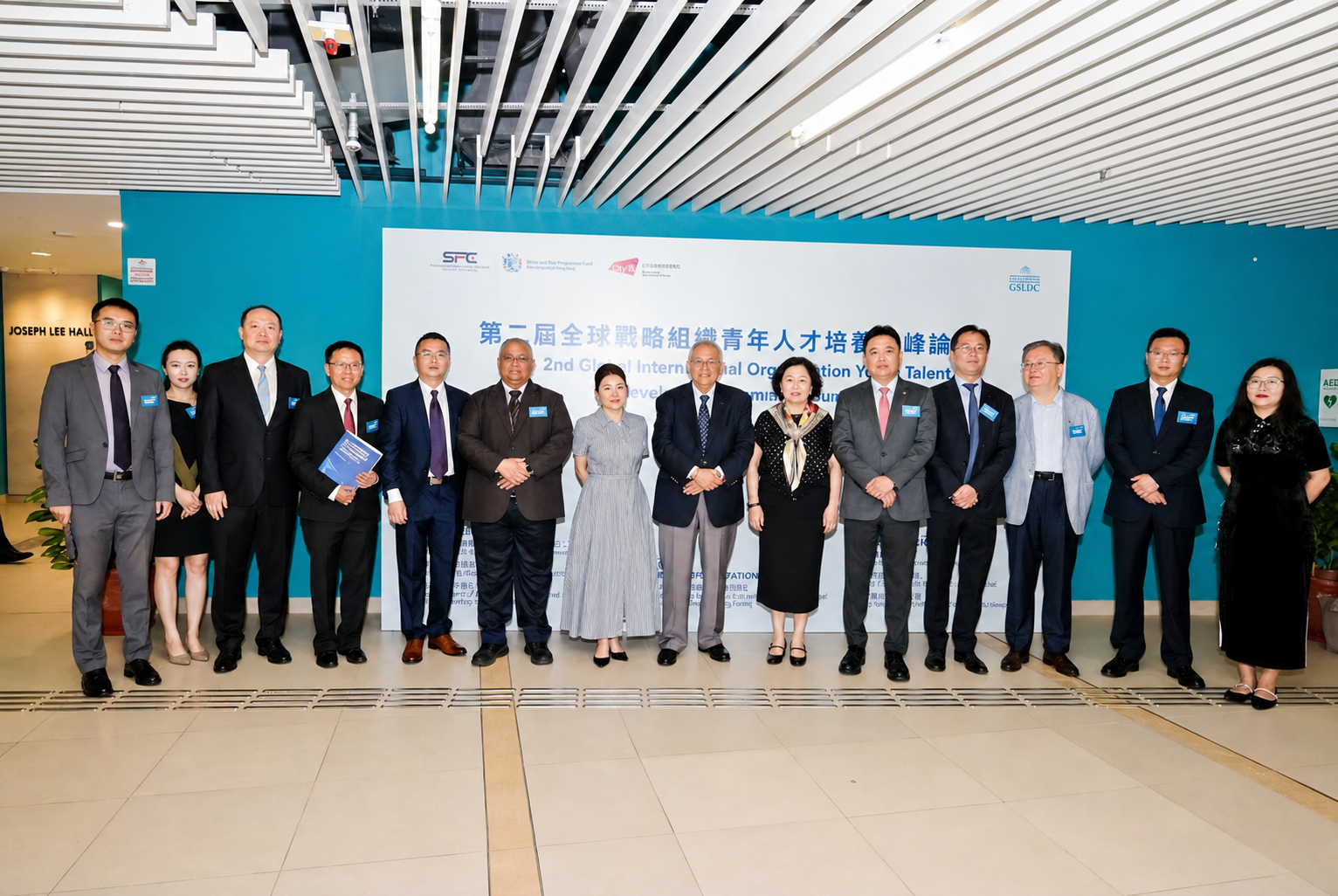
Opening participants and guests of honor
Prof. Michael Jinghan ZENG; Ms. ZHOU Jingni; Counsellor WANG Jian; Prof. Alfred Tat-kei HO; Mr. Frank LI; Mr. Satya S. TRIPATHI; Ms. Judy CHEN; Dr. Ismail SERAGELDIN; Prof. Teresa CHENG; Ms. Grace GAO; Mr. LI Haiou; Prof. Yike GUO; Mr. Duncan CHIU; and Prof. Wen Jung LI.
Participants in the closed-door expert meeting
Dr. Ismail SERAGELDIN; Mr. Satya S. TRIPATHI; Prof. Yike GUO; Prof. Albert CHAU; Prof. ZHONG Weihe; Prof. Alfred Tat-kei HO; Mr. REN Hao; Mr. Rza ALIYEV; Prof. XIAO Shengxiong; Prof. Michael Jinghan ZENG; Ms. Grace GAO; Prof. HUANG Hua; and Ms. ZHOU Jingni.
Thematic forum speakers
The Forum I panel included Prof. Lu CHENG, Prof. Jiangyu WANG, Mr. Zhenhua JIN and Prof. Ling CHEN. The Forum II panel included Prof. Michael Jinghan ZENG, Dr. Ismail SERAGELDIN, Prof. Alfred Tat-kei HO, Mr. Rza ALIYEV, Prof. Brian WONG, Prof. Tim SUMMERS, Dr. Serge STINCKWICH and Prof. Yuanyue ZHANG.
Partners and next steps
The Forum was co-organized by GSLDC, the Hong Kong Sino-Foreign Exchange Centre and the Department of Public and International Affairs of City University of Hong Kong. It was co-hosted by the University of International Relations, City University of Hong Kong and Macau Millennium College, with support from NGIC.
Media coverage included Bauhinia New Media (Hong Kong), People’s Daily, China Daily, Hong Kong Commercial Daily, KinLiu and China Youth Daily, reflecting growing international attention to Hong Kong as a meeting point for developing talent for international organizations.
Looking ahead, the Global International Organization Youth Talent Development Summit Forum aims to become a leading Hong Kong platform for preparing young people for service in international organizations. It will continue to broaden its network of multilateral institutions, universities, NGOs and public bodies, opening direct access to experts across the United Nations system and supporting a talent development framework aligned with the Sustainable Development Goals and the evolving needs of global governance.
23 July 2026