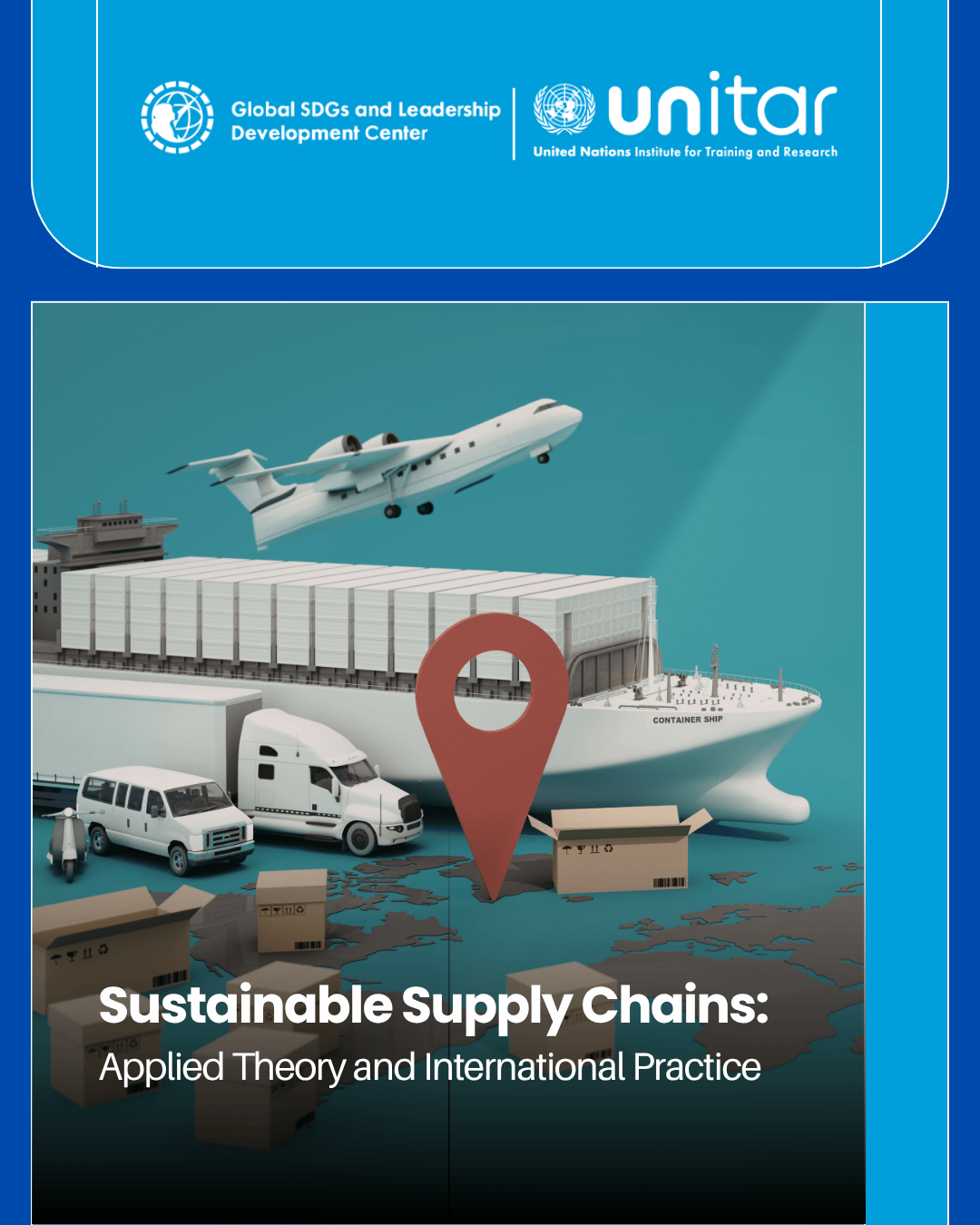
Sustainable Supply Chains: Applied Theory and International Practice
Course Description:
This course explores the principles and practices of sustainable supply chains with a focus on fair trade, responsible business conduct, transparency, traceability, and governance systems. It highlights how international frameworks, ethical trade practices, and digital tools shape resilient and equitable global value chains.
15. Sustainable Supply Chains: Applied Theory and International Practice
15.1 Lecture 1: Fair Trade and the Principles of Sustainable Supply Chains
- Understand the definition and objectives of fair trade in supply chains.
- Identify the 10 principles of fair trade and their implementation criteria.
- Explore the role of private sector organizations in enforcing fair trade standards.
- Key focus: social and environmental compliance across the entire value chain.
- Emphasis on transparency, accountability, and ethical management structures.
15.2 Lecture 2: Criteria and Practices for Fair Trading in Global Business
- Translate fair trade principles into practical business actions.
- Understand compliance criteria such as fair pricing, long-term contracts, and payment systems.
- Evaluate how cultural identity and ethical competition influence supply chains.
- Focus on trust-based partnerships and pre-financing mechanisms.
- Recognize that unethical cost-cutting undermines supply chain sustainability.
15.3 Lecture 3: Responsible Business Conduct (RBC) and Due Diligence in Supply Chains
- Define Responsible Business Conduct (RBC) and its relevance in global trade.
- Apply due diligence to identify social, environmental, and governance risks.
- Understand frameworks such as OECD, IFC, and FAO guidelines.
- RBC extends business responsibility beyond profit to human rights and environment.
- Anti-corruption systems are essential for maintaining supply chain integrity.
15.4 Lecture 4: Transparency, Traceability, and Digital Governance in Supply Chains
- Examine the role of transparency and traceability in supply chains.
- Understand UNECE Recommendation 49 and its governance implications.
- Assess data sharing, protection, and verification challenges.
- Digital tools like blockchain improve traceability and trust.
- Balancing data confidentiality with transparency is a key governance challenge.
15.5 Lecture 5: Public Procurement and Governance Architecture for Sustainability
- Understand how public procurement shapes sustainable supply chains.
- Differentiate between legal frameworks and voluntary standards.
- Explore government roles in promoting sustainability through regulation and incentives.
- Public procurement drives market-wide adoption of ethical practices.
- Collaboration between governments and businesses is essential for systemic transformation.