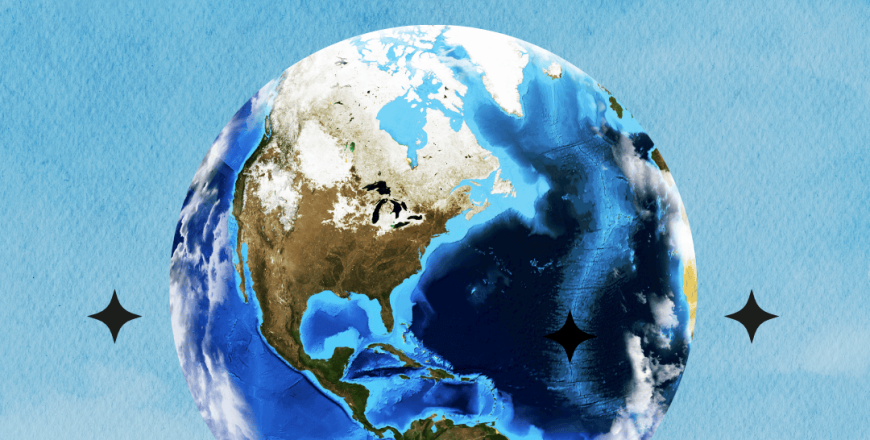
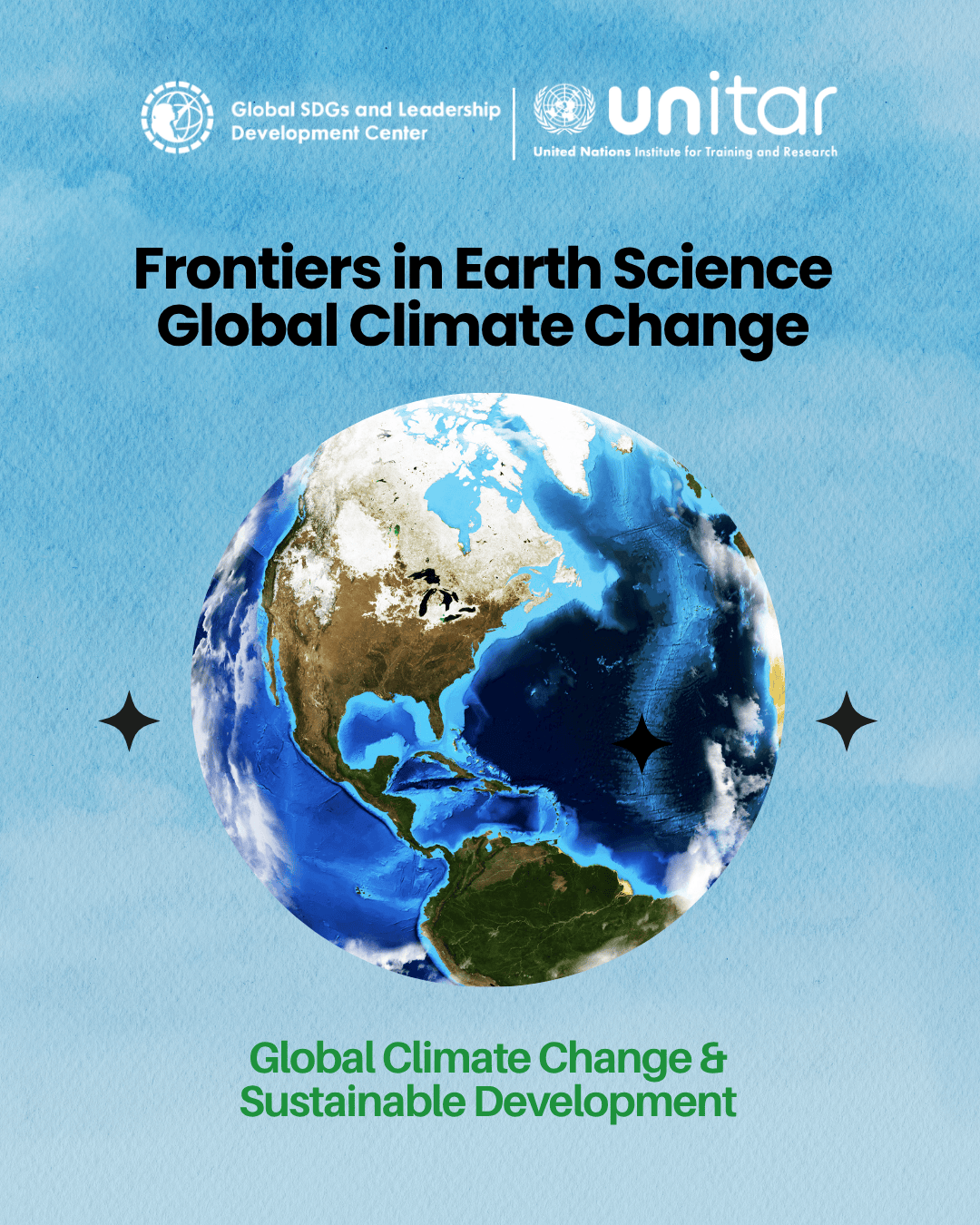
Frontiers in Earth Science: Global Climate Change and Sustainable Development
Course Description:
This course explores Earth systems, climate dynamics, and the scientific foundations of global climate change. It examines atmospheric and ocean processes, climate history, greenhouse gases, and cryosphere changes to understand their implications for sustainable development.
2. Frontiers in Earth Science
2.1 Introduction to Earth System and Biomes
- Define and describe major Earth systems and their interactions.
- Identify different types of biomes and the factors influencing their distribution.
- Recognize the role of solar energy in climate systems and ecosystem dynamics.
2.2 Atmosphere, Circulation, and Ocean Dynamics
- Differentiate between weather and climate.
- Describe the vertical structure of the atmosphere and circulation patterns.
- Understand the relationship between ocean currents and wind systems.
2.3 Climate History and Sea Level Change
- Identify natural drivers of climate change including orbital variation and tectonics.
- Analyze paleoclimate evidence from ice cores, sediment layers, and fossil records.
- Interpret the relationship between CO₂, temperature, and sea-level changes over time.
2.4 Greenhouse Gases and Global Warming
- Understand the role of greenhouse gases in the Earth’s energy balance.
- Compare greenhouse gases based on concentration, lifetime, and warming potential.
- Identify major human sources of greenhouse gas emissions.
2.5 Cryosphere Change and Sea-Level Rise
- Differentiate between sea ice, glaciers, ice shelves, and ice sheets.
- Describe mechanisms of ice loss and their contribution to sea-level rise.
- Evaluate environmental and societal impacts of melting ice and ocean changes.