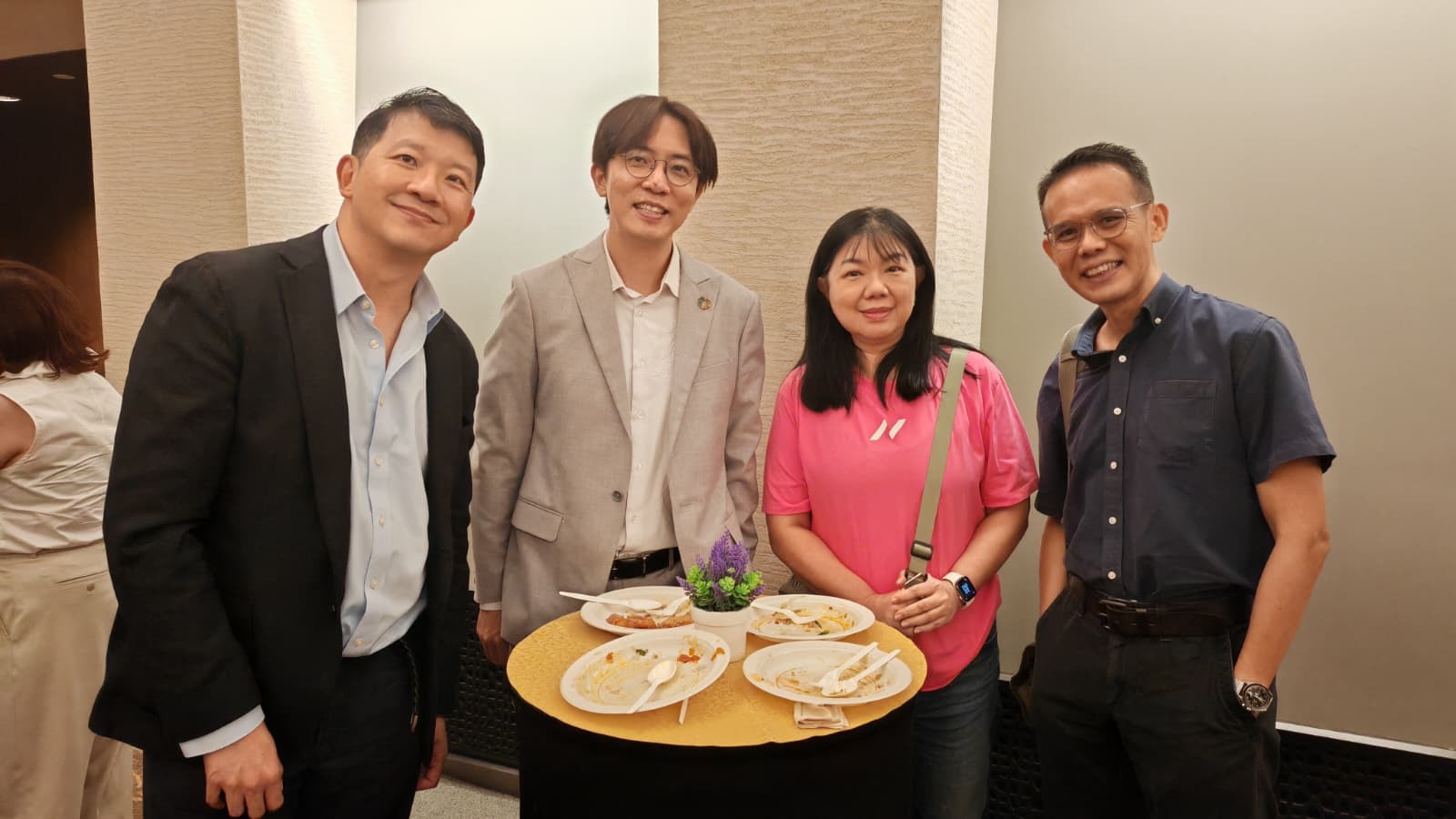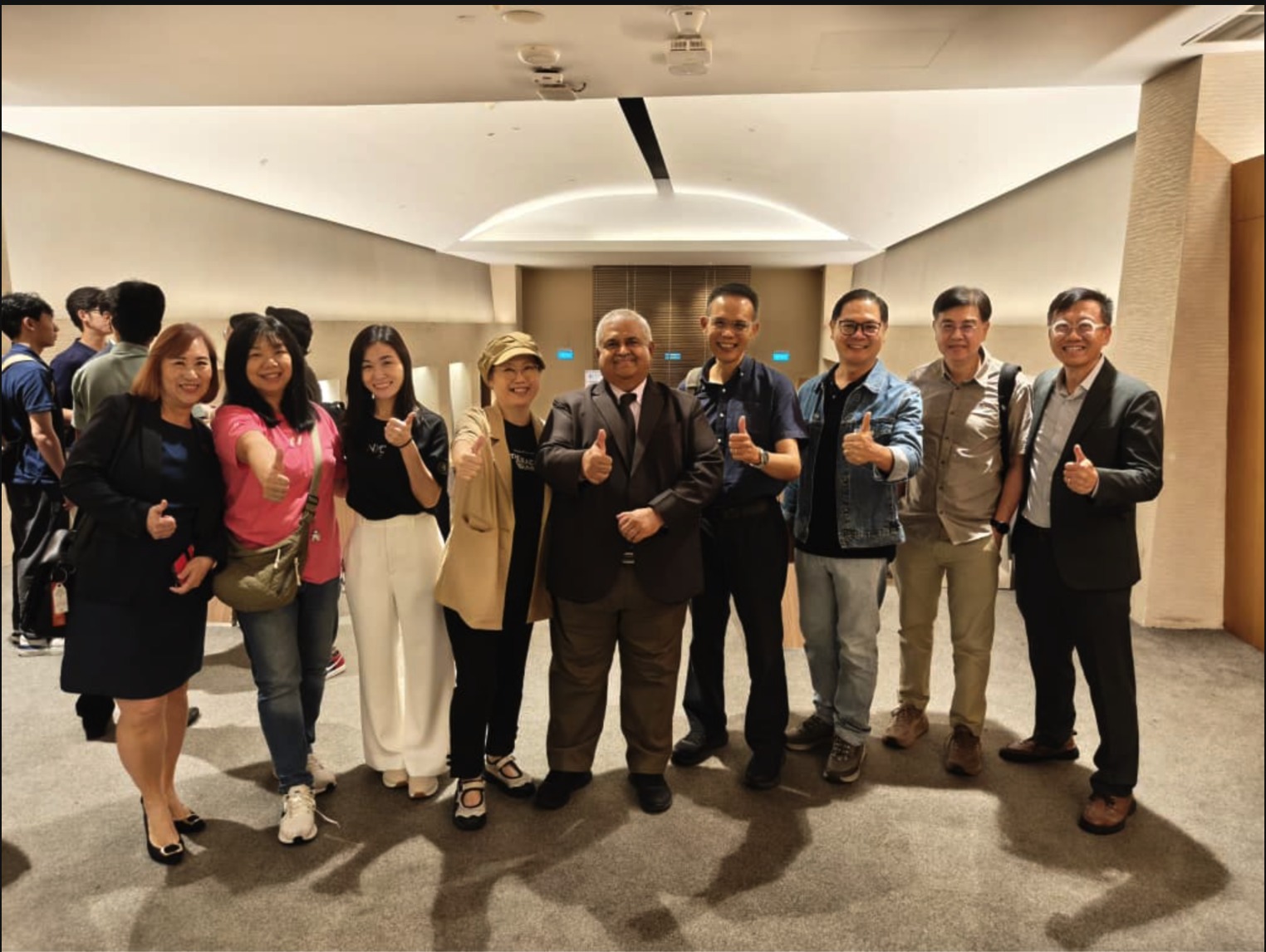
GYLDC and GSLDC Convene Youth Dialogue on Unlocking Green Finance and Climate Action at Asian Civilisations Museum
Over 100 emerging leaders, students, and sustainability practitioners gathered at UNite For A Better Tomorrow to address the regional execution gap and direct capital into Southeast Asia’s real-world green transition.
Asian Civilisations Museum, Singapore · 12 September 2026
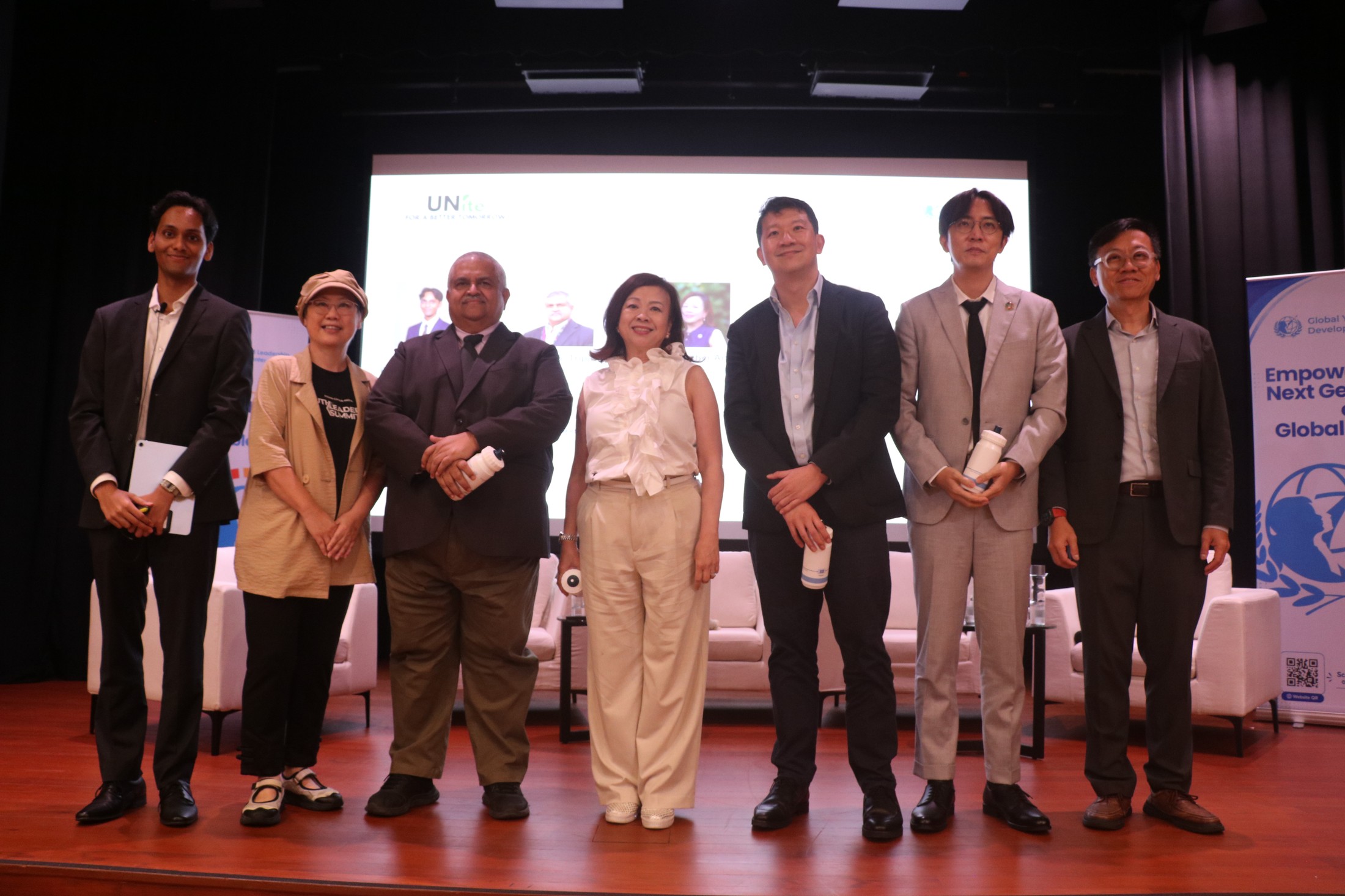
On 12 September 2026, the Global Youth Leadership Development Council (GYLDC) and the Global SDGs and Leadership Development Centre (GSLDC), in partnership with the National Youth Council Singapore (NYC), OSG Youth Alliance, and The Experiential Labs, convened UNite For A Better Tomorrow: UNlocking Green Finance For Green Economy at the Ngee Ann Auditorium, Asian Civilisations Museum.
The dialogue brought together over 100 emerging leaders, students, and sustainability practitioners to examine the operational mechanics of green finance and confront the execution gap between high-level climate commitments and grassroots reality across Southeast Asia.
Keynote Address: Ecological Reality, Economic Growth, and Values-Driven Leadership
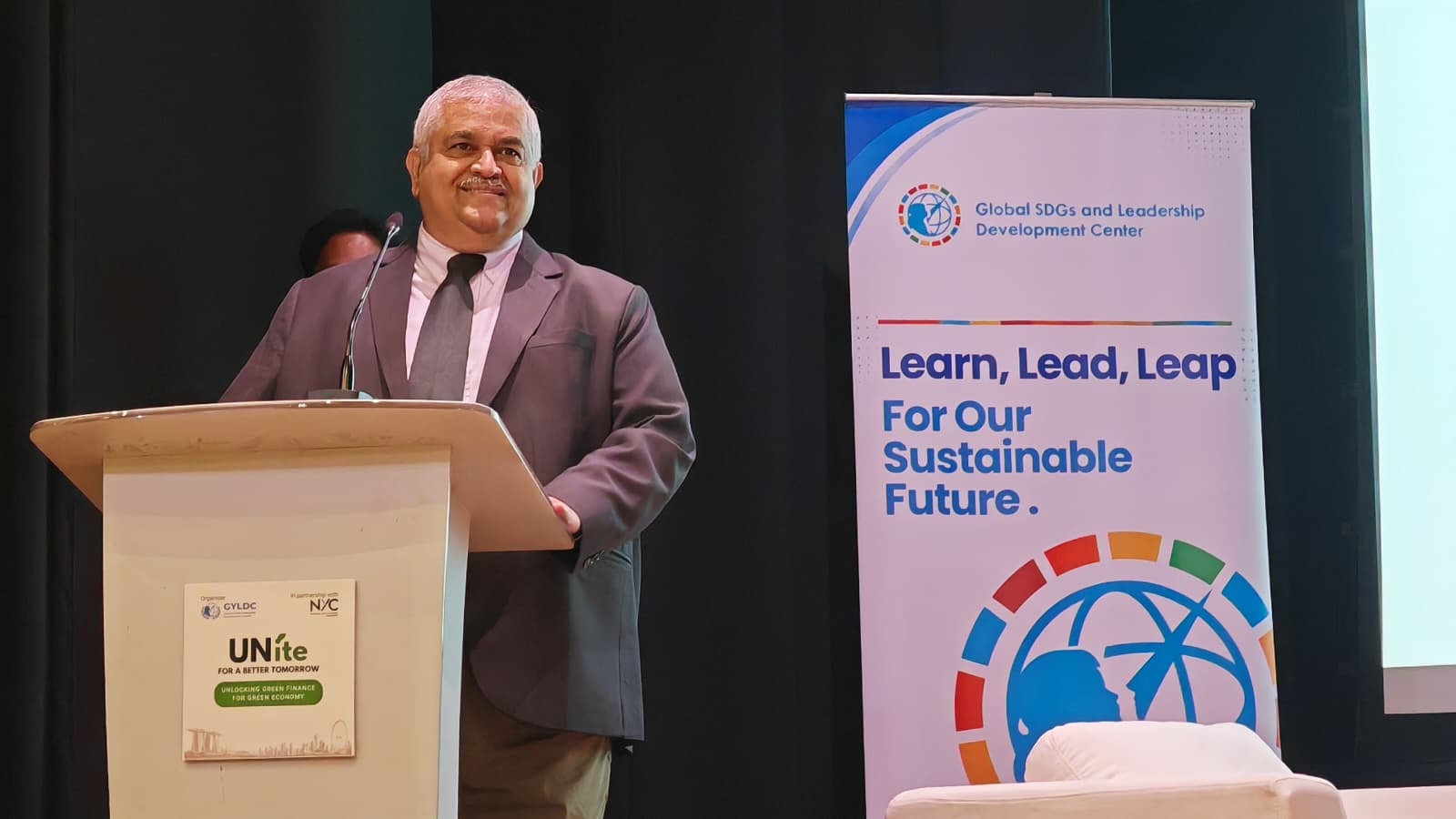
The morning opened with a keynote address by Mr Satya S. Tripathi, Co-Chair of the Advisory Board of GYLDC and GSLDC, Secretary-General of the Global Alliance for a Sustainable Planet (GASP), and former Assistant Secretary-General of the United Nations.
Mr Satya set a sobering context regarding global climate benchmarks. Drawing a contrast with the Montreal Protocol of 1987, where scientific consensus rapidly phased out ozone-depleting substances without diplomatic gridlock, he noted that thirty-one years of multilateral climate negotiations have struggled to curb rising emissions. While it took 117 years from the historical pre-industrial baseline (1850 to 1900) for global temperatures to rise by 1.1 degrees Celsius, humanity is now rapidly crossing the 1.5-degree threshold. Mr Satya stressed that this shift is exponential rather than linear, threatening ninety per cent of global coral reefs that sustain vital coastal fisheries and exposing low-lying island nations like Singapore to severe sea-level risks.
Turning to economic structures, Mr Satya highlighted that global economic output has expanded from 23 trillion dollars in 1990 to 100 trillion dollars today, with projections reaching 225 trillion dollars over the next quarter-century. He cautioned that this wealth generation has come at the expense of ecological infrastructure, noting that for every dollar currently spent on conservation, thirty dollars are spent destroying nature.
Despite these structural hurdles, Mr Satya pointed to scalable solutions driven by technology and grassroots pragmatism. He highlighted initiatives such as coral microfragmentation developed by Philippe Cousteau, which reduces coral reef reproduction cycles from seventy-five years to just two years, as well as low-cost modular biodigesters deployed across 15,000 rural communities in India. By converting livestock waste into clean household cooking gas, these systems eliminate emissions, avoid public health hazards, and generate carbon credits that fund the equipment at no cost to rural families.
Closing his address, Mr Satya recalled a personal conversation with Singapore’s founding Prime Minister, Mr Lee Kuan Yew, in 2007. He shared that the most vital journey any leader can undertake is the journey from the head to the heart, urging young people to anchor technical problem-solving in genuine empathy, integrity, and long-term public good.
Fireside Panel: The Execution Gap (Global Finance Meets Southeast Asian Reality)
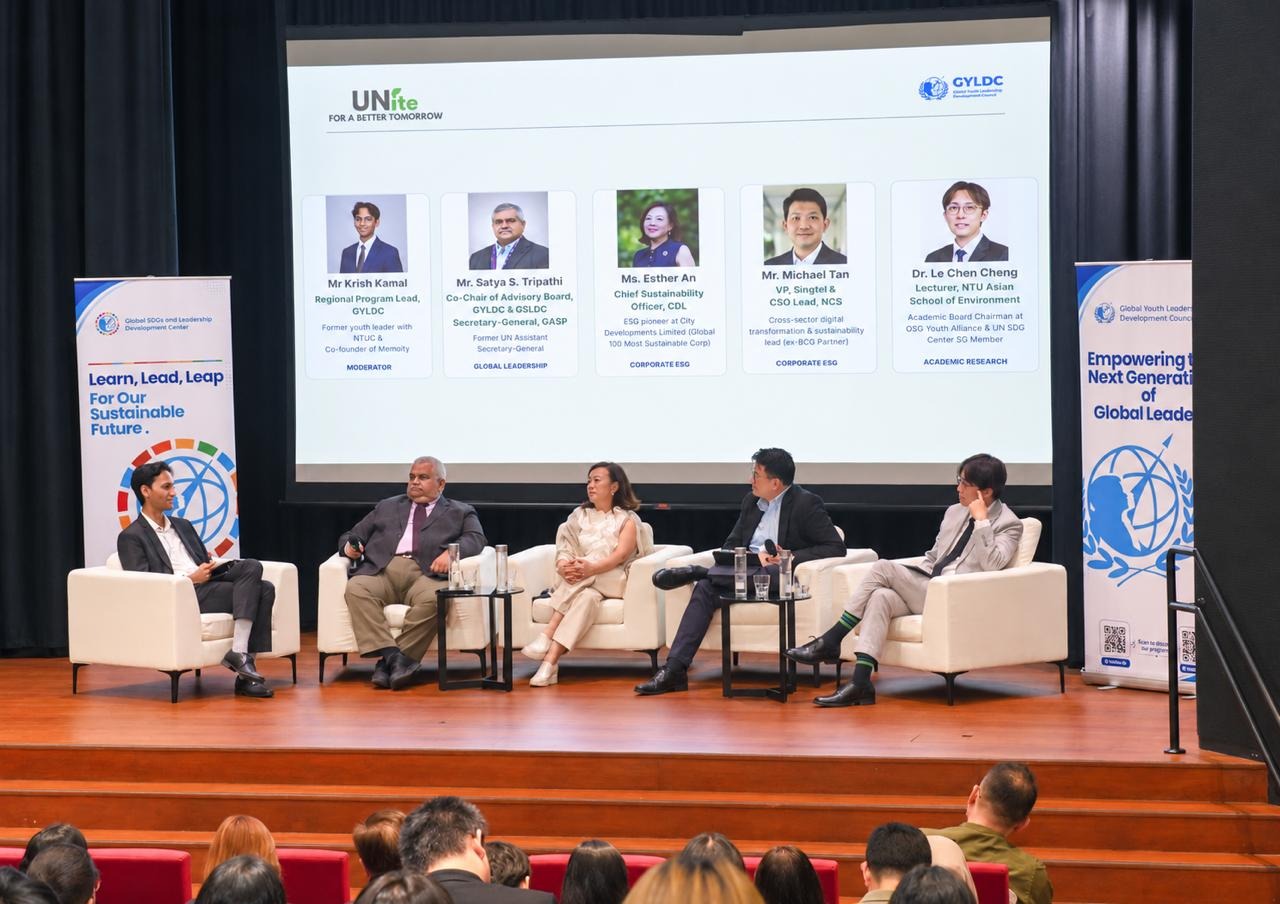
Moderated by Krish Kamal of GYLDC, the fireside panel moved into an analytical examination of the friction points between international financial frameworks and the Southeast Asian economic landscape.
- Redefining Bankability for Developing Markets: Mr Satya addressed the limitations of Western-centric financing frameworks that assume mature regulatory landscapes, low interest rates, and deep carbon markets. He stressed that Southeast Asian projects are often deemed unbankable not due to a lack of ambition, but because of transition costs, currency risk, and fragmented grids. Illustrating how to bridge this divide, Mr Satya highlighted the 400 million dollar Bukit Tigapuluh sustainable rubber project in Indonesia, covering 400,000 hectares. Structured through the Singapore capital markets in partnership with Michelin and BNP Paribas without relying on government subsidies, the project demonstrated that blending corporate off-take agreements with commercial debt can deliver landscape-scale conservation at competitive borrowing costs.
- Corporate Capital Deployment and Pragmatic Decarbonisation: Ms Esther An, Chief Sustainability Officer at City Developments Limited (CDL), provided perspectives from thirty-one years of sustainability leadership in the built environment, a sector accounting for thirty-seven per cent of global emissions and half of all extracted resources. Ms Esther shared that since pioneering Singapore’s first corporate green bond in 2017, CDL has secured over 12 billion dollars in sustainable financing, including nature-tied credit facilities linked to Taskforce on Nature-related Financial Disclosures (TNFD) benchmarks. She stressed the need to combine the traditional triple bottom line of people, planet, and profit with operational pragmatism, using clear corporate communications and technology to drive supply chain decarbonisation. Through CDL’s Queen Bee programme supported by Enterprise Singapore, the group trains and subsidises small-to-medium enterprise suppliers to calculate and report verified Scope 3 carbon data.
- Managing Enterprise Transformation and Trade-Offs: Mr Michael Tan, Vice President of Group People Strategy and Transformation at Singtel and sustainability lead at NCS, examined the operational challenges large corporations face when executing green commitments. Drawing on his background with the Singapore Economic Development Board and management consulting, Mr Michael noted that while sustainability literacy has improved, implementation frequently stalls when firms face immediate trade-offs between legacy business priorities and structural shifts. He explained that bridging this gap requires building cross-functional capabilities, enabling teams to treat environmental transitions with the same operational rigour as technological and artificial intelligence transformations.
- Demanding Scientific Accountability in Disclosures: Dr Le Chen Cheng, Lecturer at the Nanyang Technological University Asian School of the Environment, called for rigorous scrutiny of corporate reporting metrics. Dr Le observed that while sustainability pledges have proliferated, many disclosures rely on qualitative narratives that mask a lack of measurable environmental improvements. He urged emerging professionals to build genuine scientific literacy, focusing on verification methods that ensure corporate reporting reflects verifiable reductions in emissions and resource use rather than mere compliance exercises.
- Financing Decentralised Geographies: The panel jointly assessed the challenge of deploying green capital into decentralized, informal sectors across the region, such as smallholder farming, coastal preservation, and community waste management. The speakers agreed that international green funds must transition away from rigid, one-size-fits-all criteria toward aggregated blended-finance models that accommodate localized realities.
Audience Engagement and Outlook
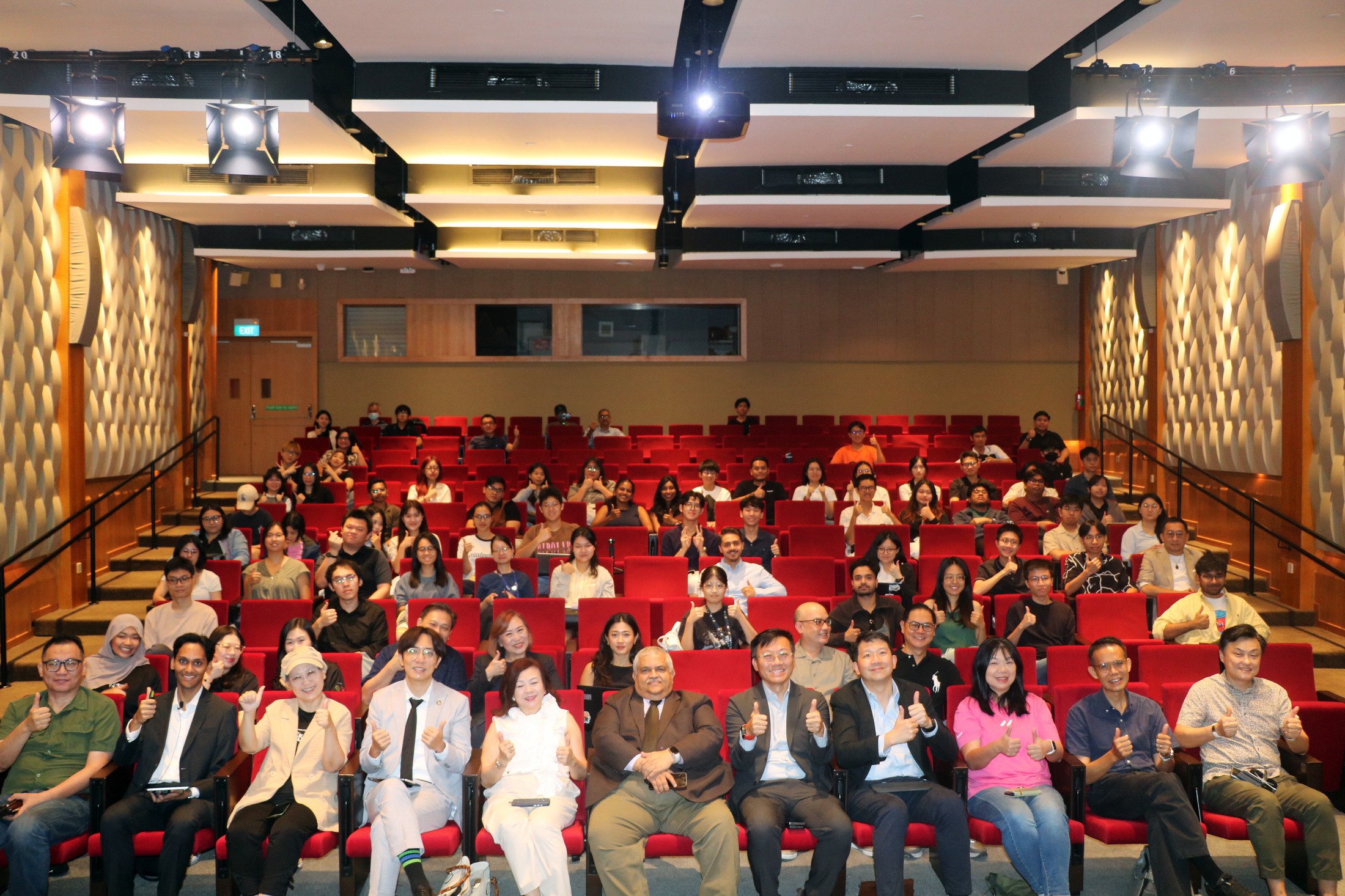
The session concluded with an extended dialogue with the audience. Youth delegates engaged the panel on career entry points within sustainable finance, practical strategies to hold corporate claims accountable, and methods for early-stage social ventures to access blended finance mechanisms.
GYLDC and GSLDC extend their sincere gratitude to the Asian Civilisations Museum for hosting the event, co-organising partners NYC, OSG Youth Alliance, and The Experiential Labs, our distinguished panellists, and all youth attendees who contributed to a substantive, forward-looking session.