
Bridging Global Rules and Local Practice: GSLC Facilitates Multilateral Dialogue at the 2026 China International Public Procurement Forum
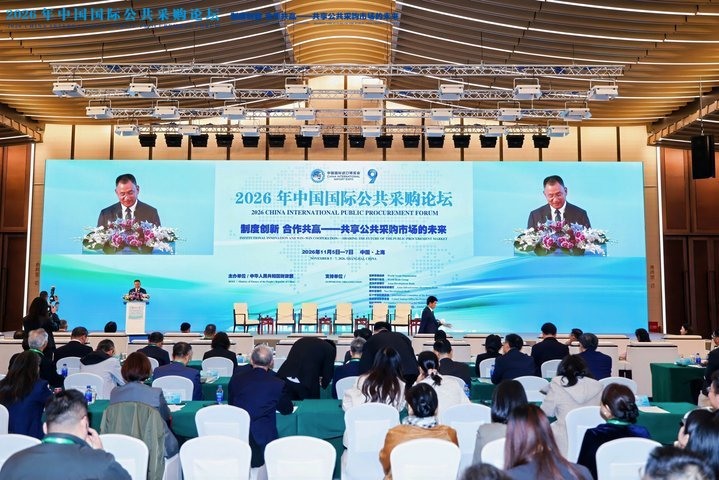
SHANGHAI, 8 November 2026 — The 2026 China International Public Procurement Forum, hosted by the Ministry of Finance of China, concluded on November 7. The three-day event convened over 300 policymakers, multilateral development bank (MDB) officials, and corporate leaders to address the systemic shift in global public procurement.
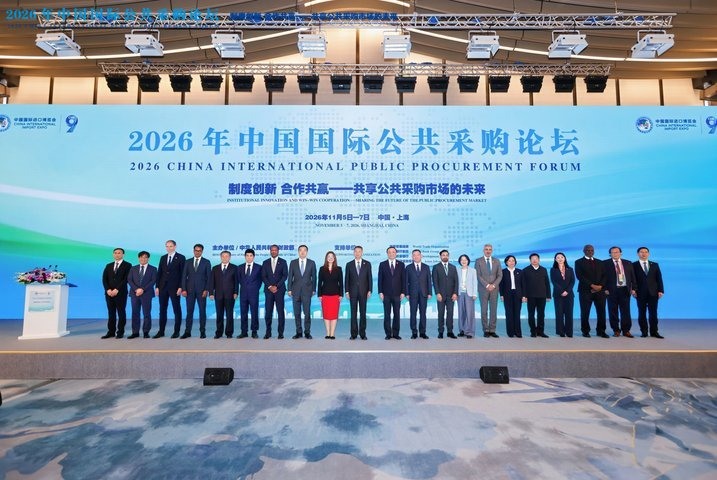
The Forum was supported by a coalition of nine leading international institutions: the World Trade Organization (WTO), World Bank Group, Asian Development Bank (ADB), Asian Infrastructure Investment Bank (AIIB), New Development Bank (NDB), International Committee of the Red Cross (ICRC), United Nations Office for Project Services (UNOPS), International Organization for Mediation (IOMed), and the Global SDGs Leadership Center (GSLC, formerly GSLDC).
The Shift Toward Quality and Resilience
A central theme emerging from the discussions was the global transition from "lowest-price" procurement to "best-value" models that prioritize quality, sustainability, and resilience.
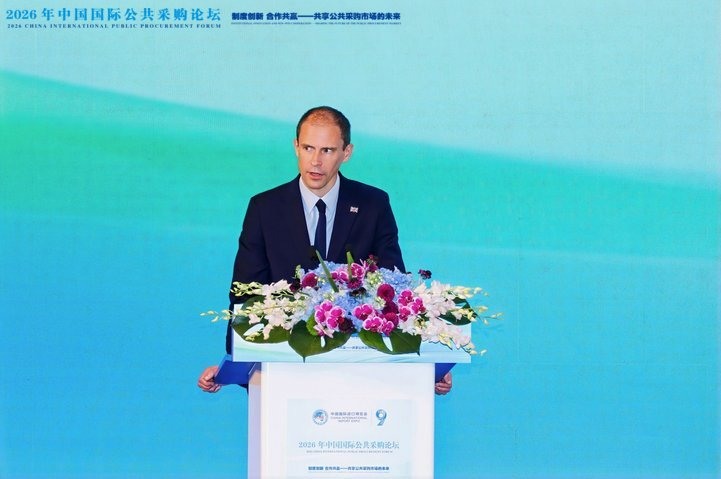
Addressing the opening ceremony, Chinese Vice-Minister of Finance Lin Zechang reaffirmed China’s commitment to modernizing its procurement framework and fostering a market-oriented, law-based, and internationalized business environment. He noted that China, as the world's second-largest economy, remains committed to open cooperation amid profound changes in international public procurement.
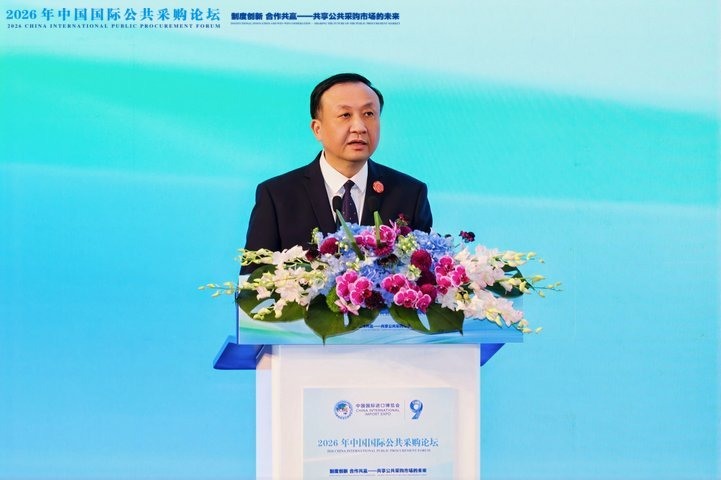
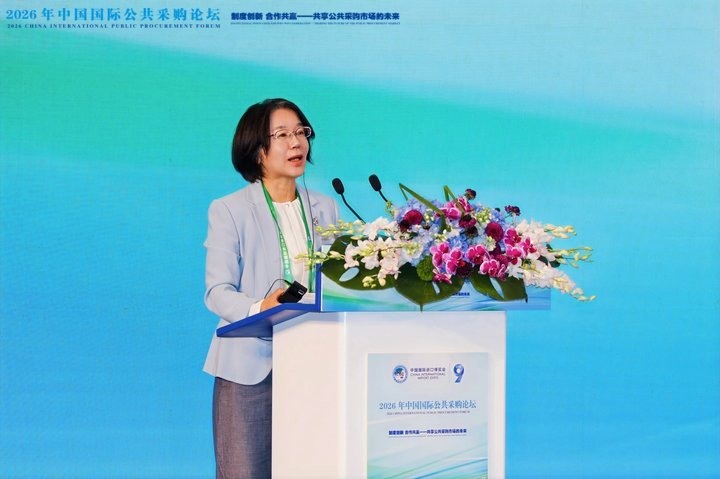
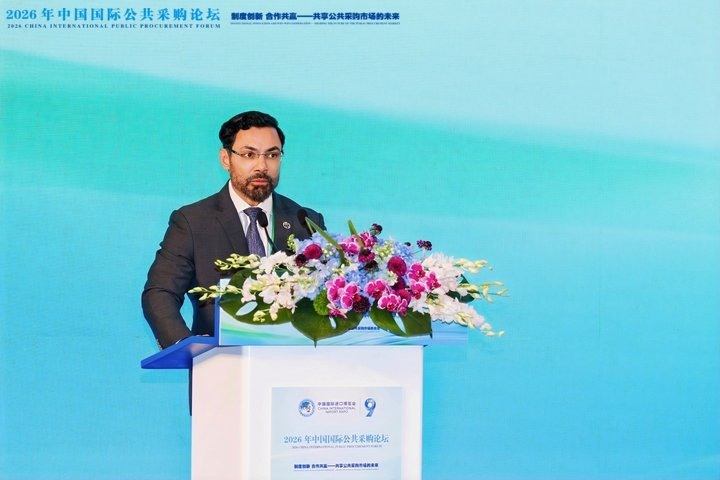
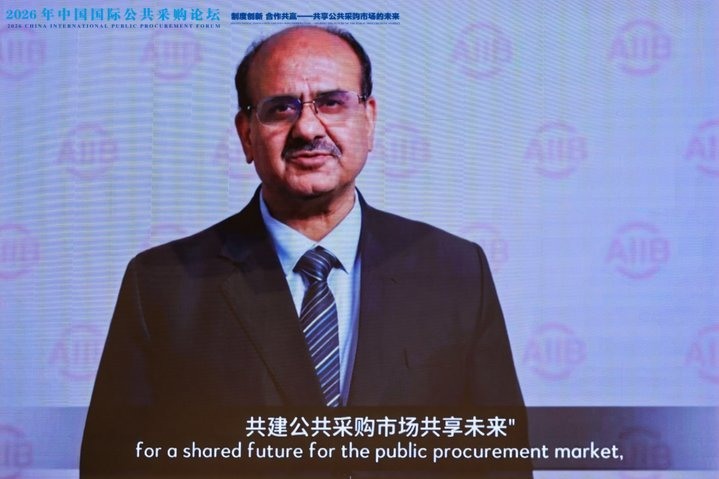
This policy direction aligns with the consensus among MDB leadership. Ms. HK Yu, Vice President of the ADB, emphasized whole-of-life costs, noting: "A road or transmission line may cost less to build today, but could prove far more expensive if it needed more maintenance later." Mr. Diomedes Berroa, Practice Manager for Procurement at the World Bank, highlighted the role of Early Market Engagement (EME) in attracting capable suppliers while preserving opportunities for smaller firms. Mr. Monale Ratsoma, Vice President and Chief Risk Officer of the NDB, reiterated the bank's openness to competitive, sustainable solutions from eligible enterprises.
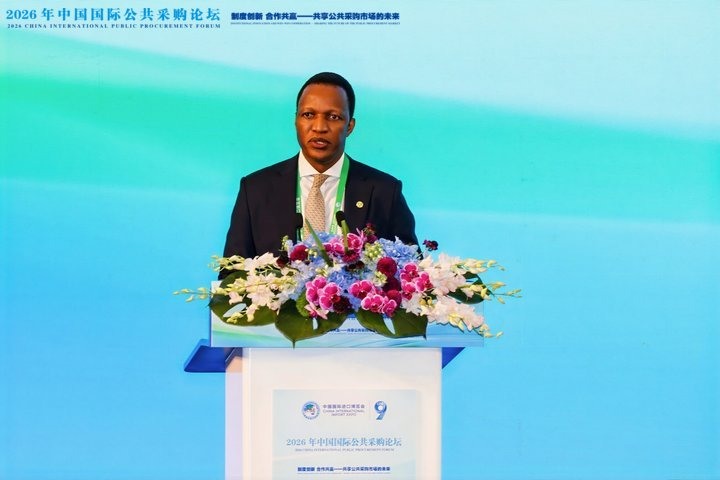
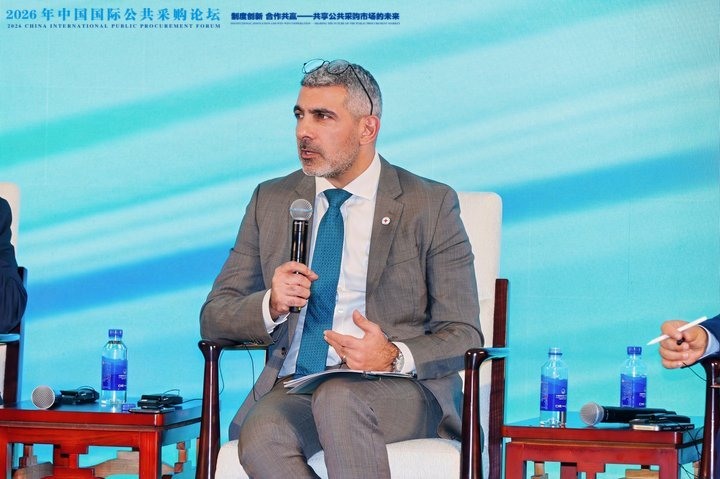
Offering a humanitarian perspective, Mr. Patrick Youssef, Personal Envoy of the ICRC President, introduced the concept of "procurement for value." He emphasized that selecting quality-assured, timely-delivered supplies often outweighs choosing the lowest price, and noted that resilient supply chains require cross-sector trust.
GSLC’s Role: Knowledge Translation and Capacity Building
While high-level policy consensus is critical, a key challenge remains: translating complex international frameworks into actionable compliance pathways for local enterprises.
As the Forum’s international partner coordination focal point, GSLC focused on bridging this gap. Operating under its mandate to support the UN 2030 Agenda, GSLC facilitated high-level participation from international organizations and structured the dialogue frameworks. By translating intricate rules—such as ESG standards, AI governance, and early market engagement—into practical insights, GSLC aimed to ensure that cross-border cooperation yields tangible mutual benefits.
"Public procurement serves as a critical institutional interface between international governance frameworks and local sustainable development," a GSLC representative stated. "Our role is to act as a catalyst for mutual understanding. By helping international organizations grasp the local context, and equipping enterprises with the governance logic behind these rules, we aim to build cross-border partnerships rooted in compliance and long-term trust."
Looking Ahead
Aligning with its three priority areas—global governance, SDG localization, and digitalization—GSLC will continue to support international organizations and local stakeholders in turning policy consensus into collaborative, evidence-based practices.
About GSLC
The Global SDGs Leadership Center (GSLC, formerly GSLDC) is an independent international institution for research, education, and capacity building. Originating from a joint initiative by the United Nations Institute for Training and Research (UNITAR) and the Global Youth Leadership Development Council (GYLDC), it transitioned into an independent international institution in November 2026. With hubs in Geneva, Singapore, Beijing, Shanghai, and Nairobi, the Center works across global governance, SDG localization, and the integration of digitalization and sustainable development.
Media Contact:
Global SDGs Leadership Center (GSLC)
Email: info@ungyldc.org