
- Home
-
About Us
-
Program
-
Media
- Volunteer & Internship
-
Academy
- InnoHub
- Contact Us
Built on the United Nations Platform: Establishing an Integrated “Learn, Apply, Innovate” ESG Empowerment System
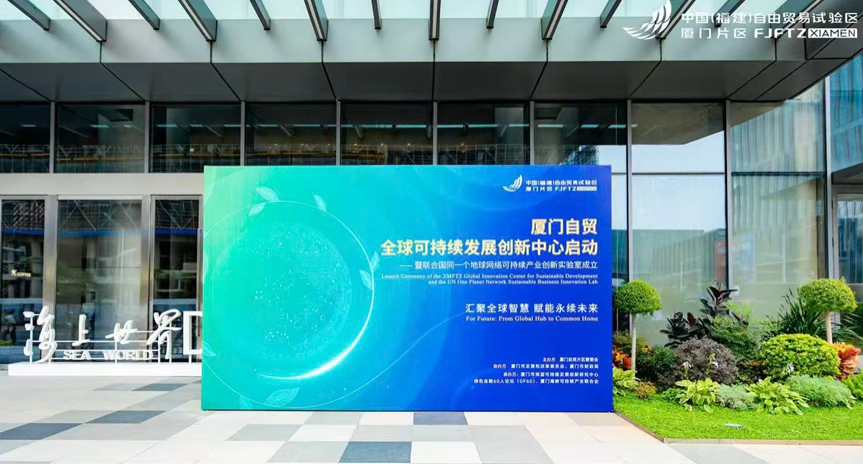
As the first specialised institution within the UNITAR system dedicated to SDG capacity building and youth leadership development in the Asia-Pacific region, GSLDC has long been committed to connecting international frameworks with local practice. The ESG Empowerment Project launched in Xiamen draws on the industrial and policy resources of the Xiamen Free Trade Zone Global Sustainable Development Innovation Center to establish an integrated platform connecting academic institutions, industry partners, and policy research bodies in a cohesive teach-learn-apply ecosystem.
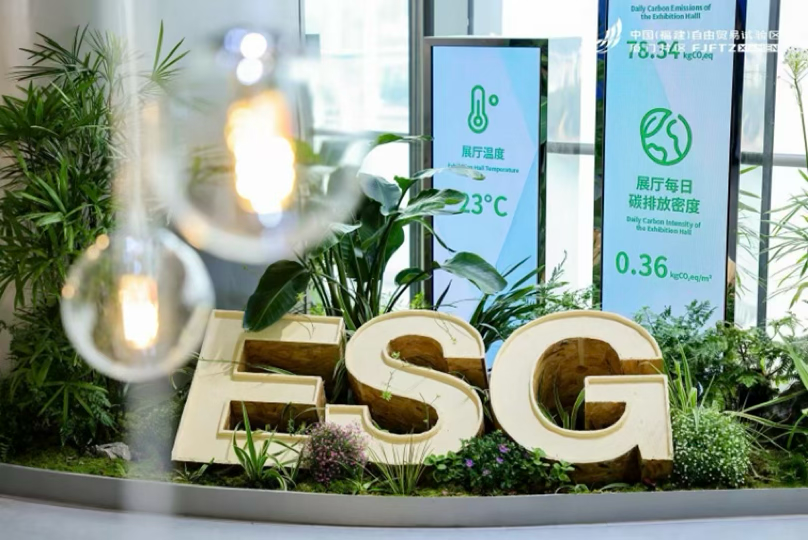
The project focuses on key areas including climate change, green finance, AI governance, and social innovation, collaborating with universities, research institutions, and leading industry enterprises to advance the following three areas of work:
- Co-construction of courses and talent development — Developing ESG and sustainable development curricula tailored to youth and professional groups, and building pathways that connect academic education, vocational training, and international certification.
- Joint research and standards exploration — Conducting cross-border collaborative research on cutting-edge topics such as green finance, carbon accounting, and AI governance, to inform the development of industry standards and policy recommendations.
- Practice aligned with industry — Organising international training programmes that enable young scholars and researchers to gain direct industry experience, achieving knowledge application and project implementation in real-world settings.
Empowering Young Leaders in Service of the 2030 Agenda
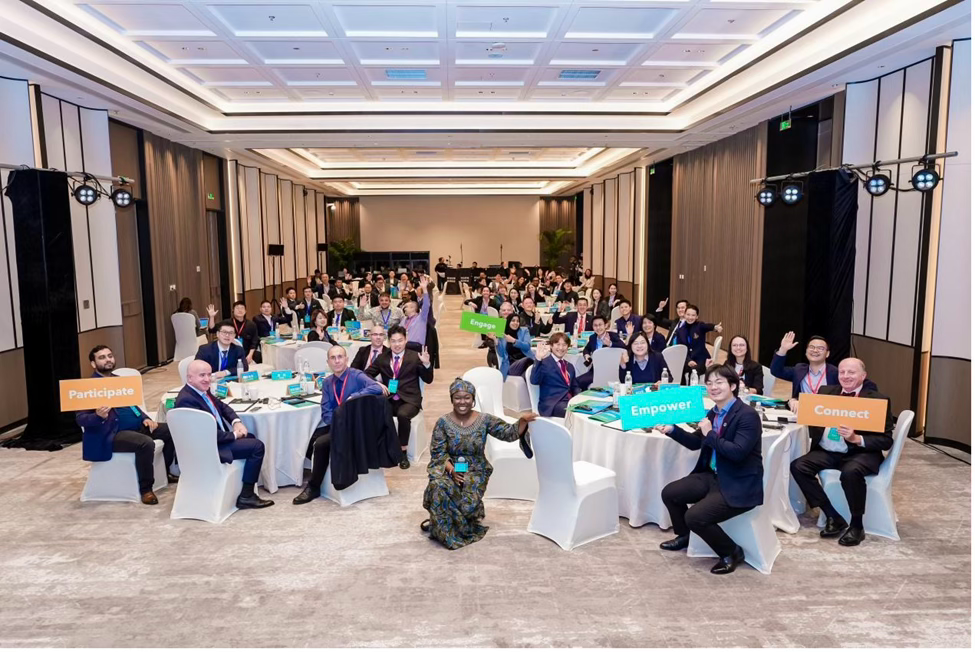
GSLDC regards youth as a central force driving sustainable development and is committed to building a complete growth pathway for young people globally, spanning learning, practice, and international exchange. The Xiamen project expands the practical and industry-facing dimensions of this pathway. By connecting enterprises, policymakers, and international organisations, GSLDC supports young people in building professional competencies and broadening their international perspectives through real-world engagement, preparing them to play a meaningful role in implementing the 2030 Agenda for Sustainable Development.
From Concept to Action: Towards a Replicable Model of Sustainable Development Practice
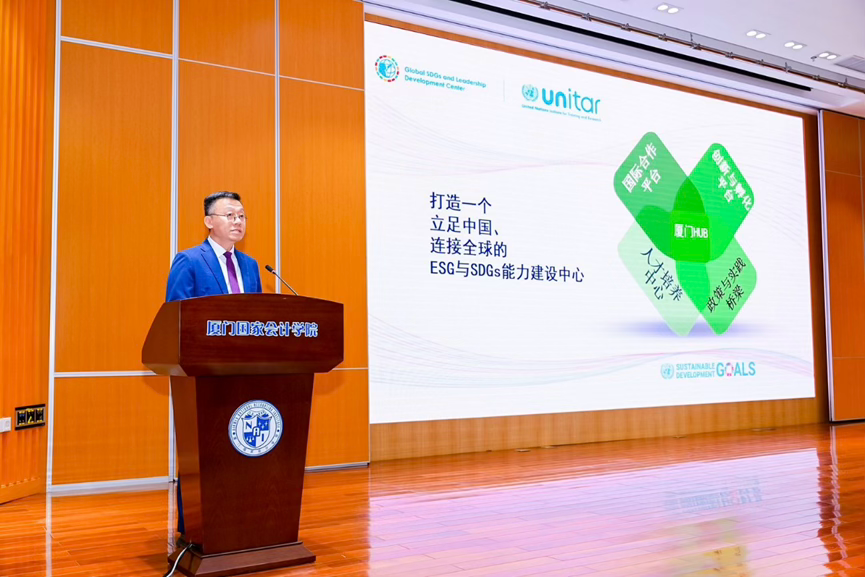
Dr. Eng Han Tan, Co-Director of GSLDC, reflected on the significance of this milestone:
“Our presence at the Xiamen Free Trade Zone Global Sustainable Development Innovation Center is not only a physical establishment, but also an evolution of our collaboration model. We hope to use Xiamen as a springboard to explore new pathways for how international organisations, local governments, industry, and academia can work together to advance ESG and sustainable development — creating an approach that can be adapted and applied in other contexts around the world.”
GSLDC will continue to deepen partnerships across its core thematic areas, support the implementation of high-impact projects, and contribute to the Asia-Pacific region’s and the world’s progress toward the 2030 Sustainable Development Goals.