
GSLC Highlights Regional AI Compute Sharing and Climate Cooperation at Second Tianshan Forum
Director Johnny Huang proposes practical cross-border pilots and explores biochar and Article 6 cooperation with Pakistan
ALMATY, KAZAKHSTAN · 5 November 2026
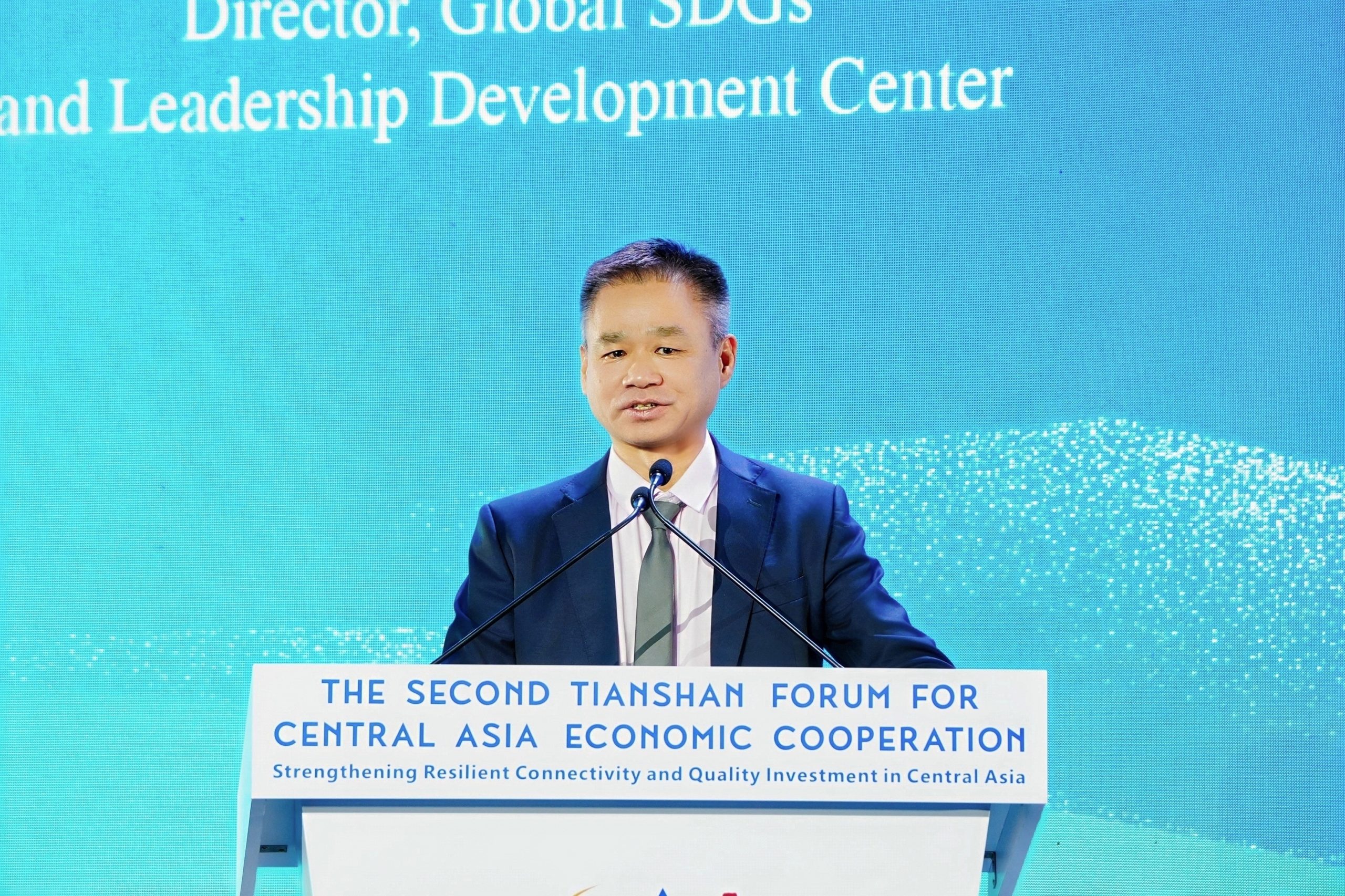
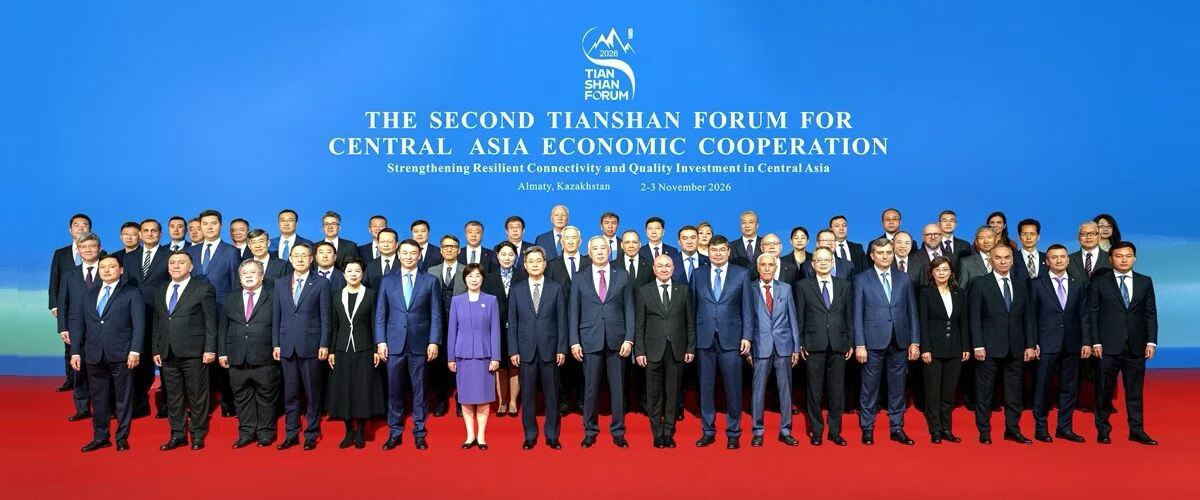
ALMATY, KAZAKHSTAN, 5 November 2026 — The Second Tianshan Forum for Central Asia Economic Cooperation took place in Almaty on 2–3 November under the theme “Strengthening Resilient Connectivity and Quality Investment in Central Asia.” Co-organized by the CAREC Institute and Kazakhstan’s Ministry of National Economy, with the Asian Development Bank as strategic partner, the Forum brought together more than 300 representatives of governments, international institutions, financial organizations, businesses and research organizations. The discussions covered regional connectivity, investment, digital transformation and sustainable development. The Global SDGs Leadership Center (GSLC), formerly known as the Global SDGs and Leadership Development Center (GSLDC), served as a supporting organization of the Forum. This marks the second time the Center has served as a supporting organization for the Tianshan Forum.
On 3 November, GSLC Director Johnny Huang delivered a keynote address, “Digital Connectivity and AI: Practical Opportunities for Central Asia,” during the session on “Investing in Technological Advancement, AI, and Digital Connectivity.” Huang argued that reliable networks alone would not deliver the region’s digital ambitions: businesses also need interoperable cross-border systems, and cities, universities and startups need affordable access to computing capacity and the skills to use it.
A central focus was an emerging proposal for regional AI compute sharing, built around a potential hub in Xinjiang and smaller nodes in interested neighboring countries. Huang noted that preparatory work and partnership discussions are already under way. He described potential applications ranging from flood-risk and extreme-heat modelling to local-language AI tools and computing access for startups. He also stressed that feasibility, financing, data sovereignty, cybersecurity, and energy and water requirements must be addressed before implementation. Huang encouraged interested partners to help shape the initiative and identify pilot applications with measurable local benefits.
Drawing on GSLC’s international cooperation, Huang referred to Digital Economy Lighthouse Cases developed with the International Trade Centre (ITC) and the International Telecommunication Union (ITU), initiatives involving young digital innovators and ITU Youth Digital Hubs, and leadership development work with GSMA and the World Internet Conference. He also pointed to smart-city applications by Zhongguancun Smart City and its engagement with cities in Kazakhstan, illustrating opportunities for locally adapted AI solutions.
The address generated considerable interest among participants. Following the session, Pakistan’s Minister for Investment, Qaiser Ahmed Shaikh, approached Huang and expressed appreciation for the regional compute-sharing concept and support for continued discussion. Their exchange reflected growing interest in digital cooperation that can serve multiple economies and deliver practical benefits to local institutions.
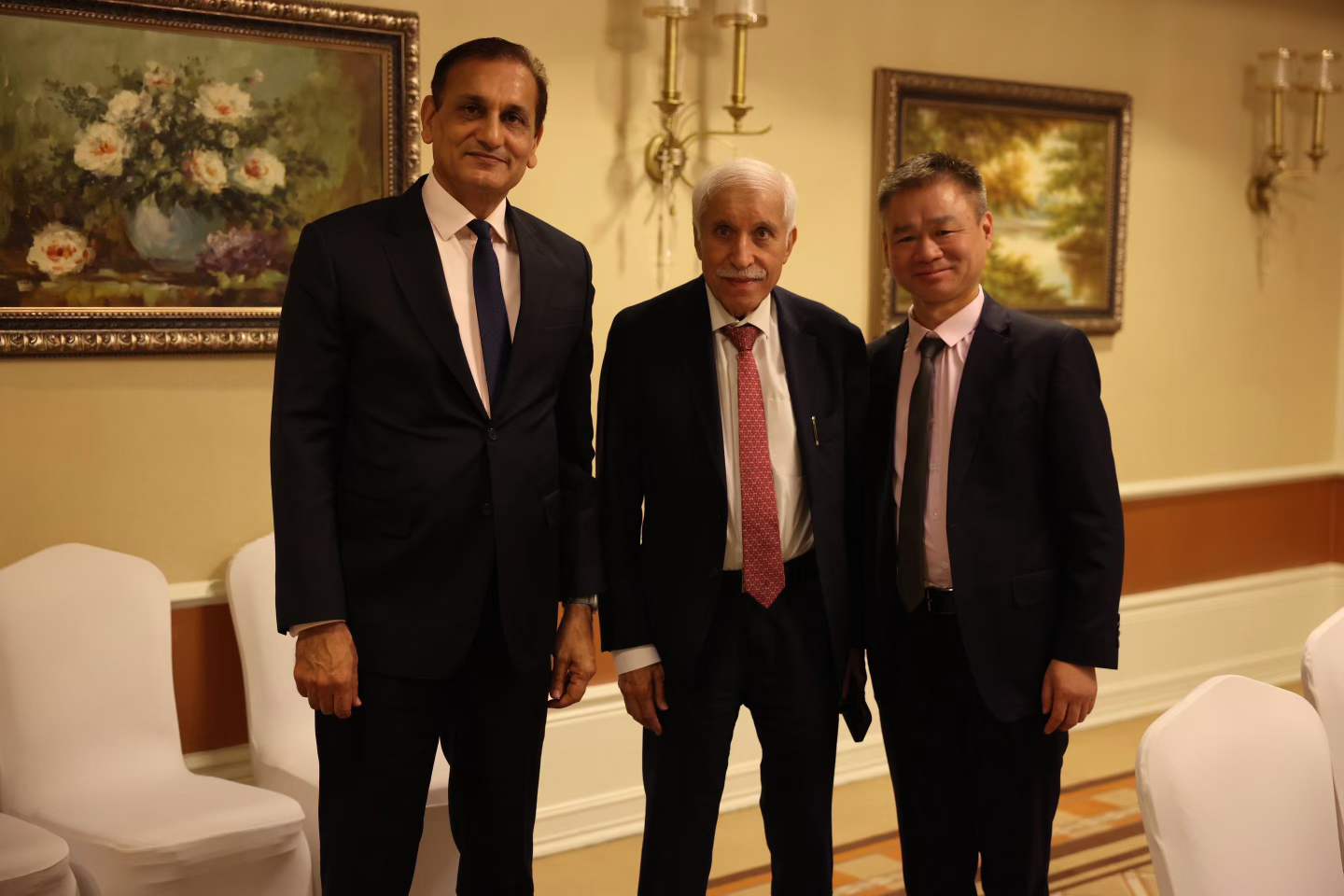
In a separate meeting during the Forum, Minister Shaikh held an in-depth discussion with Huang on biochar, carbon removal and potential carbon-credit projects under Article 6 of the Paris Agreement. The parties expressed preliminary interest in exploring cooperation on project identification, technical feasibility, credible measurement and verification, and connections with suitable implementation partners.

The discussions come as Pakistan works to implement its national carbon-market guidelines and advance international Article 6 cooperation. For GSLC, the Forum provided an opportunity to connect its work on digital development, climate solutions and international partnerships with concrete needs across Central and South Asia.
GSLC welcomes follow-up discussions with governments, cities, universities, development institutions and companies interested in the proposed compute-sharing network or in technically credible biochar and carbon-market cooperation. The emphasis will be on practical partnerships, local capacity and results that participating communities can share.