
- Home
-
About Us
-
Program
-
Media
- Volunteer & Internship
-
Academy
- InnoHub
- Contact Us
News & Events
Global Digital Economy Lighthouse Cases released in Beijing, lighting a practical path to inclusive digital development
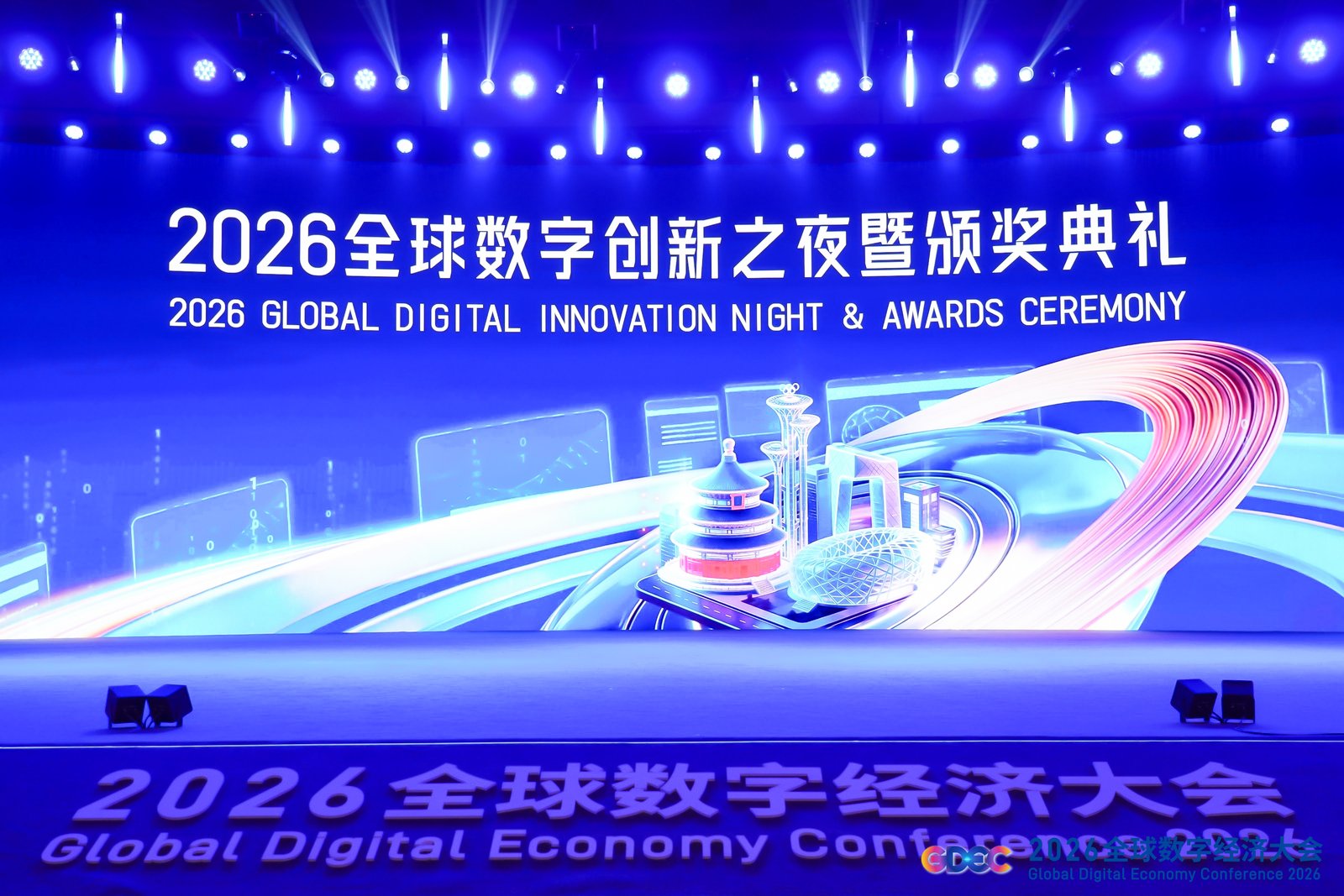
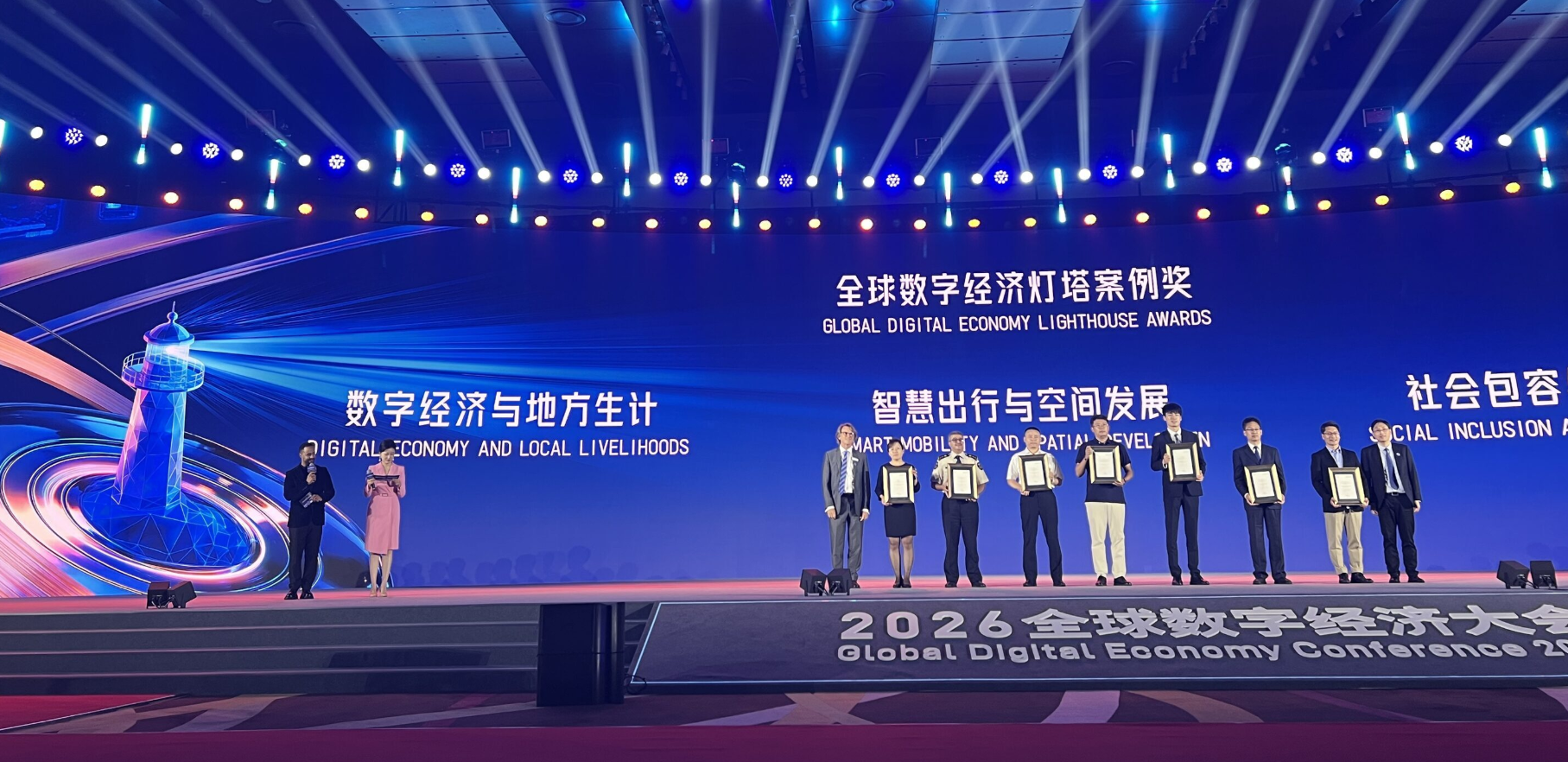
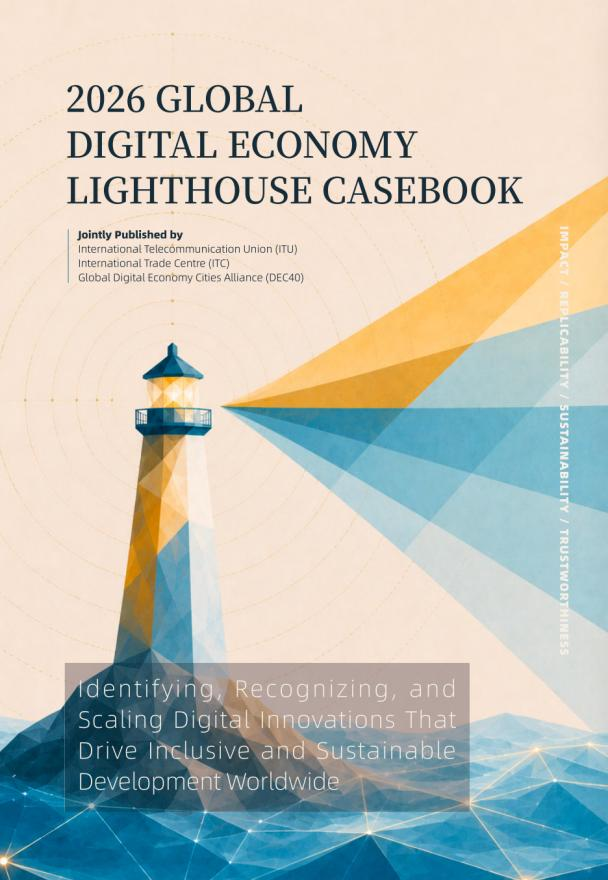
The Global Digital Economy Lighthouse Case Collection (2026) was released worldwide at the opening ceremony of the 2026 Global Digital Economy Conference, presenting 13 verified and transferable models for inclusive digital transformation.
The collection was jointly released by the International Telecommunication Union (ITU), the International Trade Centre (ITC) and the Global Digital Economy Cities Alliance (DEC40). It was implemented by the Global SDGs and Leadership Development Center (GSLDC) under the framework of the United Nations Global Digital Compact.
Together, the selected cases provide verified, replicable and scalable references that cities, agencies and other institutions can use when planning digital transformation.

From global consensus to practical action
In 2024, the United Nations Summit of the Future adopted the Global Digital Compact by consensus, creating a framework for digital technology to serve humanity’s shared progress. International agreement, however, is only the starting point. Turning that agreement into improvements in people’s lives requires actionable pathways and evidence that those pathways work.
As the implementing body, GSLDC translated the shared principles into a working selection methodology, a verification standard and a documented body of practice that others can adopt and adapt.
What makes a case a lighthouse?
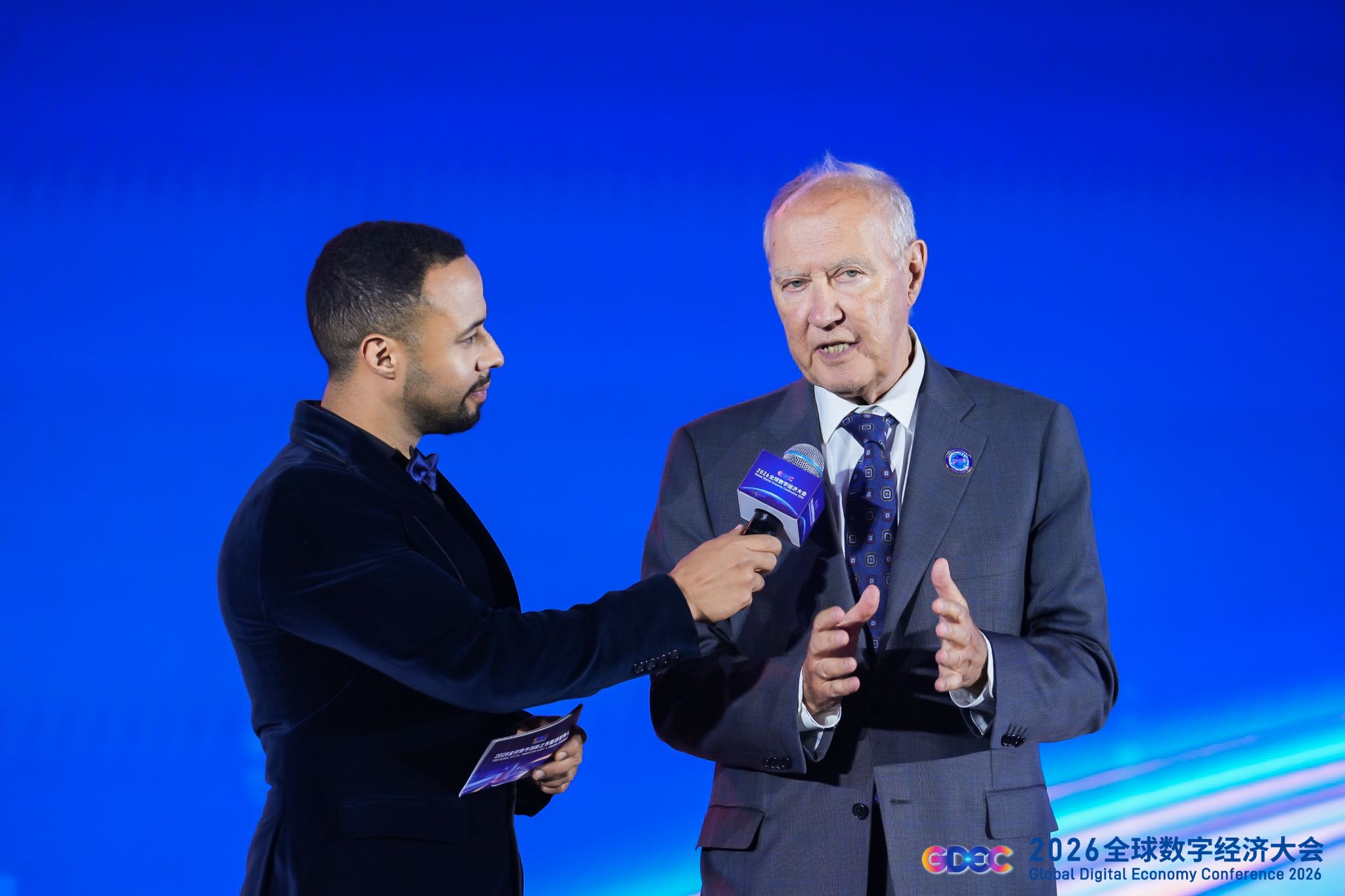
Francis Gurry, Chair of DEC40 and Chair of the Lighthouse Case Review Management Committee, described three layers of meaning behind the lighthouse concept.
Guidance
Illuminating a practical way forward for institutions that follow.
Validation
Demonstrating results through practical testing and measurable evidence.
Enablement
Helping others find their own path by learning from proven models.
A rigorous selection and verification process
The cases span six thematic areas: digital urban governance; inclusive digital services; green and resilient cities; digital economy and local livelihoods; smart mobility and spatial development; and social inclusion and vulnerable groups.
Six core criteria
- Demand orientation
- Verifiable outcomes
- Public benefit
- Green sustainability
- Trustworthy governance
- Replicability and scalability
Three threshold conditions
- Verifiable data from live operations, not pilots or prototypes
- Direct benefit to underserved people or micro, small and medium-sized enterprises
- A complete, auditable pathway for cross-border replication
Verification was treated as the substance of the exercise, not simply a procedural step. GSLDC distinguished independently verified figures from applicant-reported data and returned every discrepancy to the submitting institution for clarification before publication. This allows potential adopters to see both what a case achieved and the evidence and conditions behind that achievement.
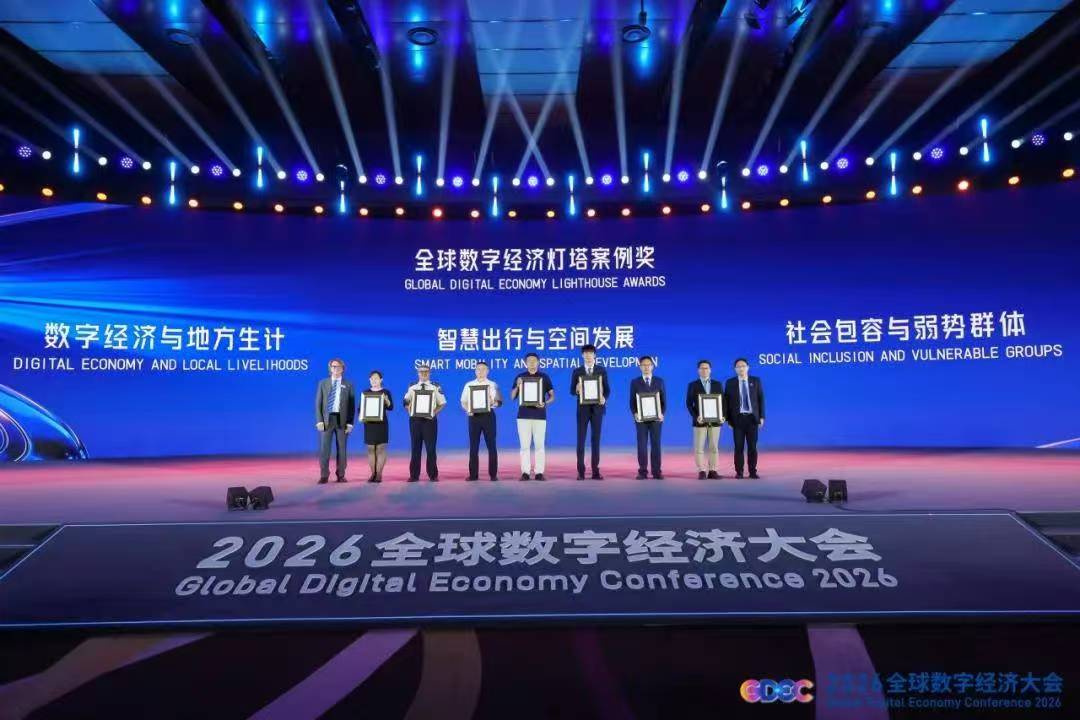
The 13 selected Lighthouse Cases
- Beijing: Jingban Smart Government Collaborative Office Platform
- Jakarta: JAKI Super App
- Madrid: Digital Capital Governance Framework
- Beijing: Unified Online Hospital Appointment Platform
- CERN: CAFEIN Federated Privacy Computing Platform
- Istanbul: IBS Smart Firefighting and Disaster Resilience Management System
- Z.AI: GLM Large Model Trustworthy Code Capability Implementation Solution
- SANY: Intelligent Manufacturing
- Jordan: Trade and Logistics Performance Gateway
- JD Logistics: Intelligent warehousing network
- Beijing: Vehicle-Road-Cloud Autonomous Driving Demonstration Application
- CargoWaves: Intelligent port logistics platform
- BrainCo: Brain-Computer Interface Intelligent Prosthetic Solution for Disability Inclusion
Each case is mapped to the core objectives of the Global Digital Compact and relevant United Nations Sustainable Development Goals.
Measured outcomes, not projections
Jakarta’s JAKI reduced citizen complaint submission from one day.
Madrid increased citizen participation in digital public services under the MAIA responsible AI framework.
Istanbul’s system responded to fire incidents in 2024 with an average response time of six minutes and 46 seconds.
Jordan’s Gateway converts trade data into more than 1,500 real-time indicators.

Transferable solutions from developing economies
More than 60 per cent of submissions came from Asia and Africa. Reviewers observed that digital practice in developing economies often grows under tighter constraints, including thinner network coverage, lower digital literacy and less fiscal room.
Those constraints can produce solutions that are lower-cost, more adaptable and easier for others to adopt. The collection therefore records the most transferable systems, rather than simply ranking the most advanced.
City-to-city cooperation through DEC40
DEC40 was established in July 2025, initiated by Beijing and joined by approximately 40 cities worldwide. The alliance creates a platform for city-to-city cooperation at a time when inter-state collaboration faces growing challenges.
By connecting frontline practice networks in global urban governance, DEC40 supports two-way flows of digital expertise and mutual learning among cities at different stages of development.
A global public good and the next phase
The Global Digital Economy Lighthouse Case Studies will be published free of charge as a global public good available to all countries. GSLDC and its partners will develop standardised implementation guides and technical assistance toolkits, moving best practices from readable to operable.
Selected cases will also be taken forward through South-South and triangular cooperation channels for adaptation in countries at different levels of development. A second call for submissions will open later in 2026.
About GSLDC
The Global SDGs and Leadership Development Center works with United Nations agencies, governments, cities and enterprises to advance the Sustainable Development Goals through capacity building, international programme delivery and evidence-based knowledge products. GSLDC is the implementing body of the Global Digital Economy Lighthouse Case programme under the framework of the United Nations Global Digital Compact.
Release partners
International Telecommunication Union, International Trade Centre, Global Digital Economy Cities Alliance and Global SDGs and Leadership Development Center.