January 2026 capacity building program leads directly to MoU signing; GSLDC provides technical assistance, pre-feasibility studies and resource matchmaking to enable localization
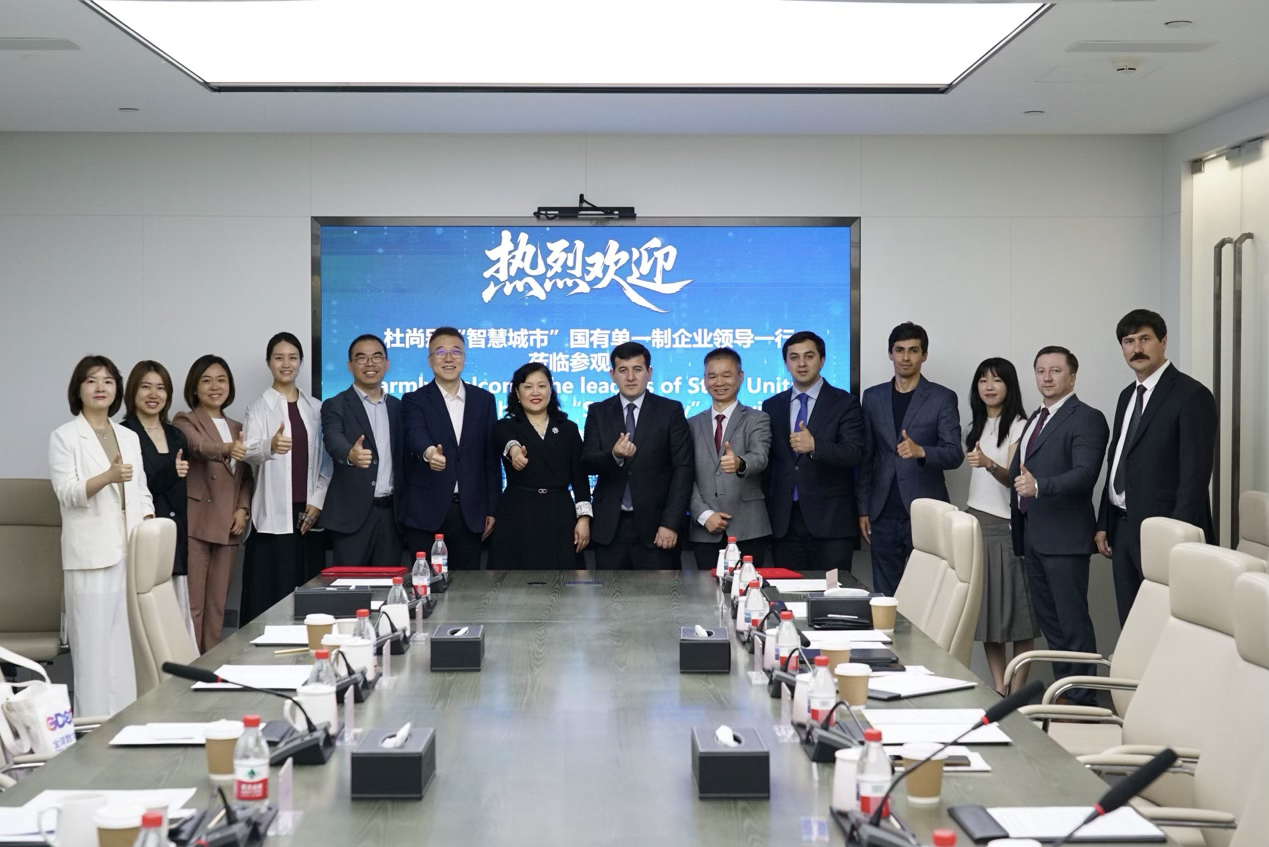
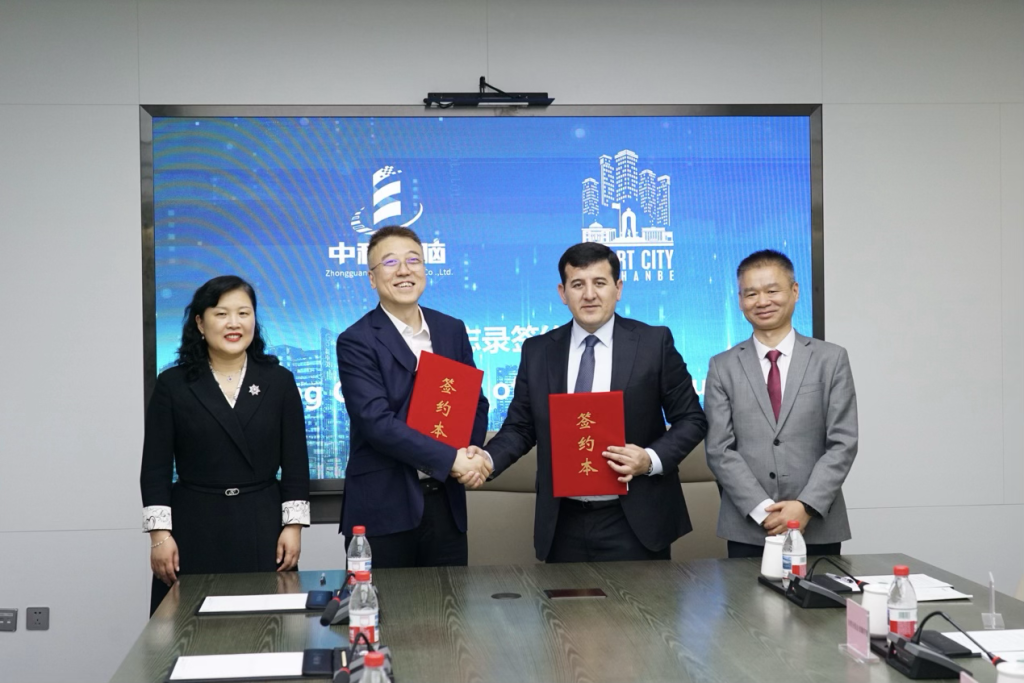
Beijing – 20 May 2026 – The Global SDGs and Leadership Development Center (GSLDC) today announced the signing of a Memorandum of Understanding (MoU) between the State Unitary Enterprise “Smart City” under the Executive State Authority of Dushanbe City (Tajikistan) and Zhongguancun Smart City, Beijing. This marks one of the first closed-loop demonstrations of GSLDC’s pipeline model – from capacity building to localized project implementation.
The MoU is a direct outcome of the international digital economy governance capacity building program designed and executed by GSLDC in January 2026. That program established the mutual trust and common framework that have now translated into a concrete cooperation agreement.
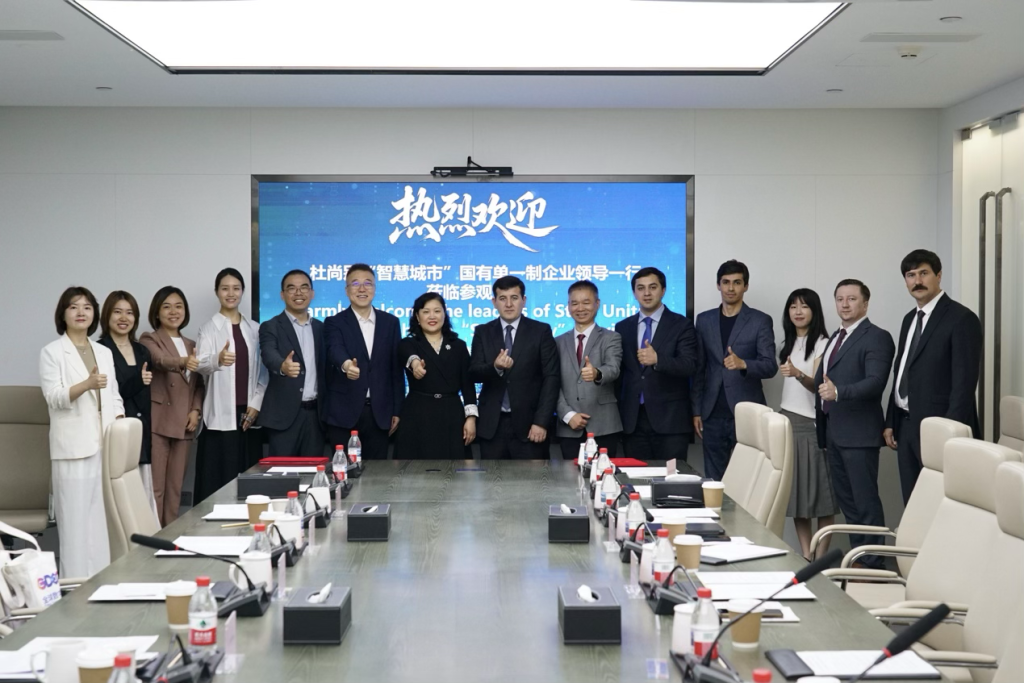
The signing ceremony was attended by the visiting Tajik delegation, including 7 industry leaders, government officials and technical experts in safe city, transportation and urban/rural digital infrastructure.
GSLDC’s role: from technical assistance to implementation support
Under the MoU, the parties agree to explore project-oriented cooperation in Safe City, Smart Transportation, Healthcare (eTib), Digital Maps, and Active Citizen.
Critically, within these cooperation fields, GSLDC will continue to play its facilitating role – jointly mapping and identifying potential pilot projects, undertaking project development and design initiatives, while leveraging its international network and resources to provide:
Cross-border project advisory services
Feasibility studies prior to project formalization
Exploration and facilitation of access to policy, capital, technical and other resources
Thus, GSLDC acts as a core enabler of the transition from capacity building to localized implementation.
Closing the loop: a pipeline demonstration
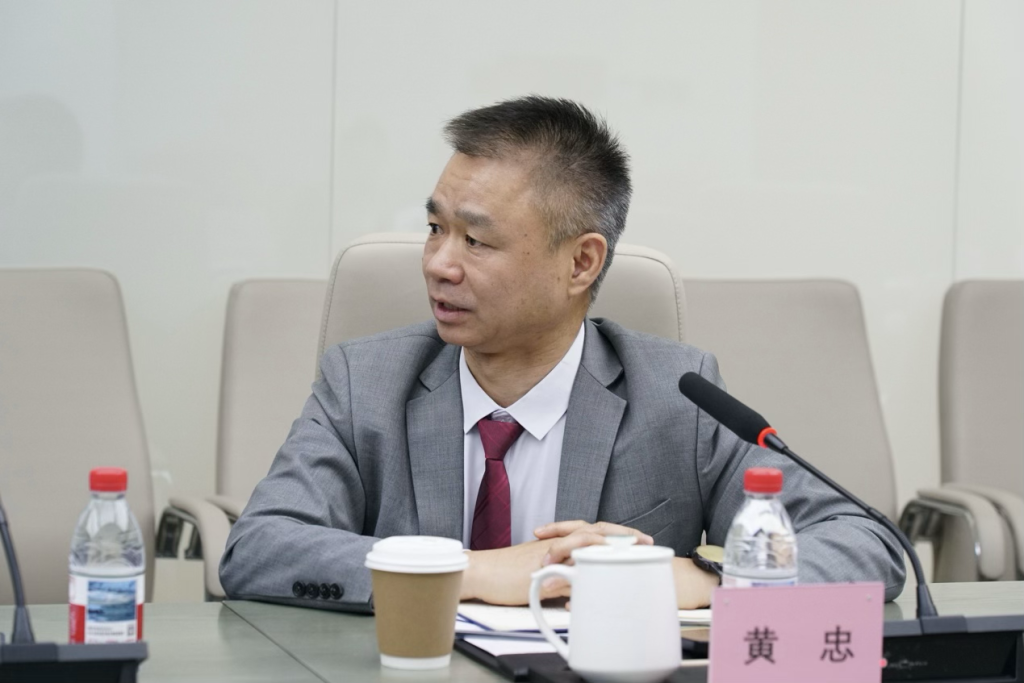
Professor Johnny Huang, Director of the Executive Board at GSLDC and Chairman of the Working Group on Sustainable Cities and Finance, in the MoU signing meeting commented:
“This MoU is a concrete example of how GSLDC can help close the loop from capacity building to project implementation. The process began with the DEC40 training program, continued through technical dialogue and project exploration, and has now moved toward localized cooperation between the parties. This is the pipeline model we hope to strengthen. Dushanbe offers a typical closed-loop case of how training can lead to practical cooperation, and we look forward to supporting similar pathways in other cities and regions across the Global South.”