
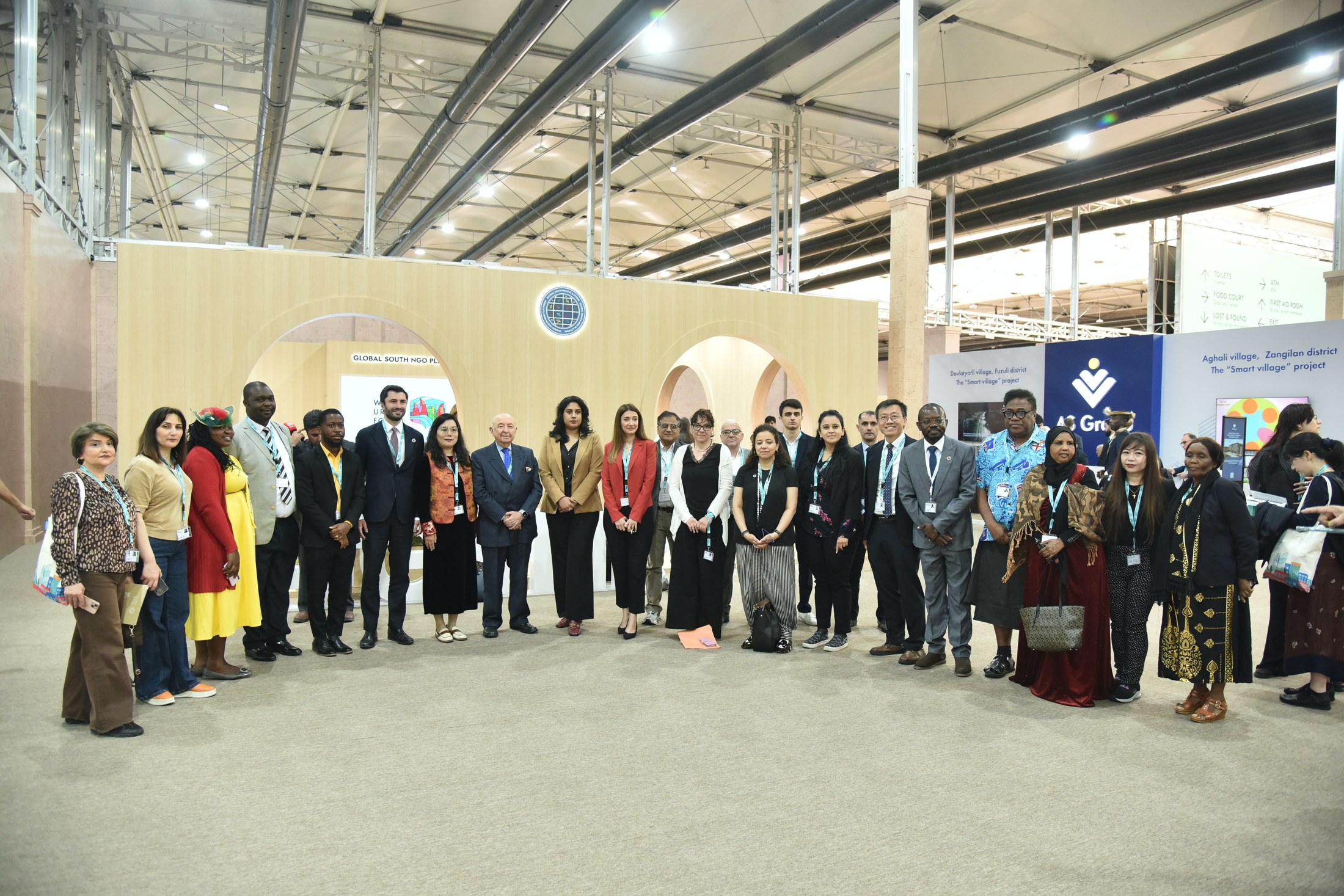

Baku, Azerbaijan, 20 May 2026 – Amid rapid urbanisation and widening digital divides, the Global SDGs and Leadership Development Center (GSLDC) hosted a high-level side event at the World Urban Forum (WUF13) titled “The Digital Urban Commons: Cities Leading Inclusive Innovation for Sustainable Futures.” The session convened global leaders, city policymakers, UN officials, and civil society representatives to explore how cities can act as ethical stewards of technology for inclusive, resilient, and people-centred development.
The event was jointly organised by GSLDC, the Global Digital Economy City Alliance (DEC40), the Global AI Innovation and Cooperation Association (GAIA), and the Social Welfare of Citizens Public Union, reflecting a strong multi-stakeholder commitment to advancing digital justice and sustainable urban transformation.
Held at the Global South NGO Platform (GSNP) Pavilion in the Baku Olympic Stadium, the one-hour session drew over 30 participants from across the globe. Against the backdrop of WUF13’s overarching theme – “Housing the World: Safe and Resilient Cities and Communities” – the discussion moved beyond abstract concepts to concrete, people-first strategies for digital governance, smart infrastructure, and inclusive service delivery.
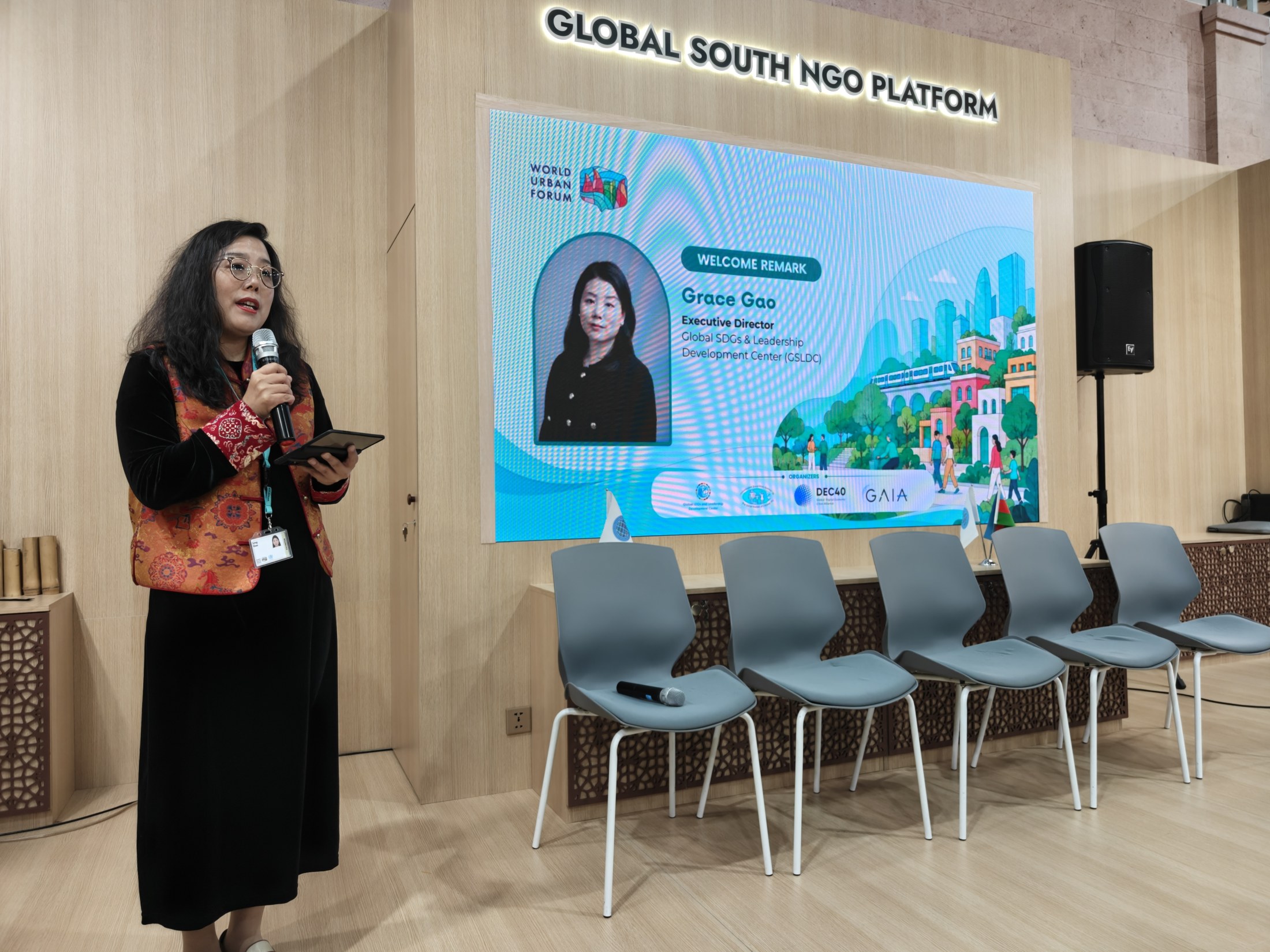
Opening Remarks and GSLDC’s Role
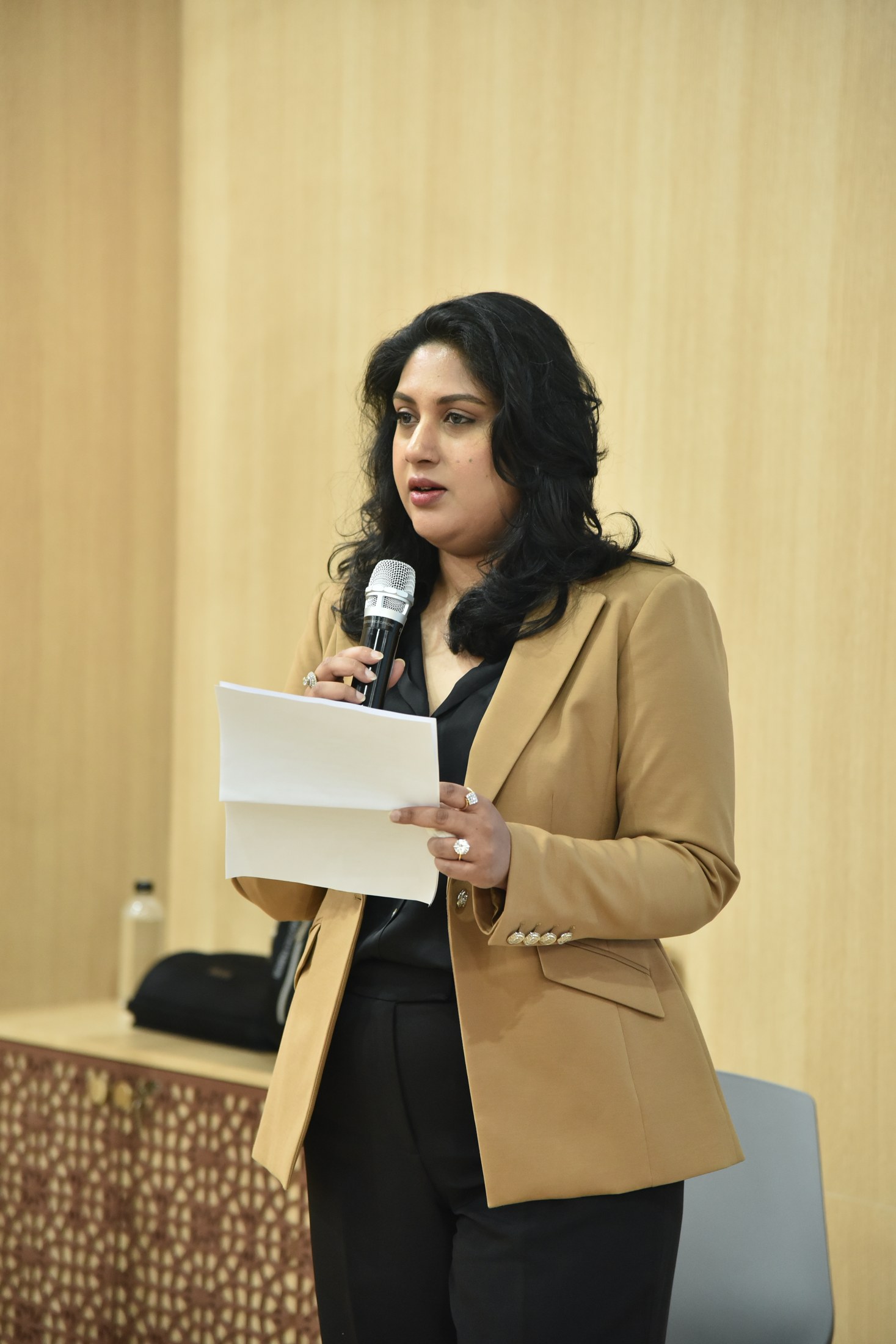
The session opened with a welcome address on behalf of GSLDC, highlighting the Center’s ongoing work in building digital cooperation networks for city leaders and policymakers. GSLDC’s capacity-building programmes aim to equip urban decision-makers with practical policy tools to navigate artificial intelligence and emerging technologies in a sustainable and inclusive manner – ensuring that no community is left behind in the digital age.
Keynotes: From Rio to Seoul – Real Stories of Digital Commons
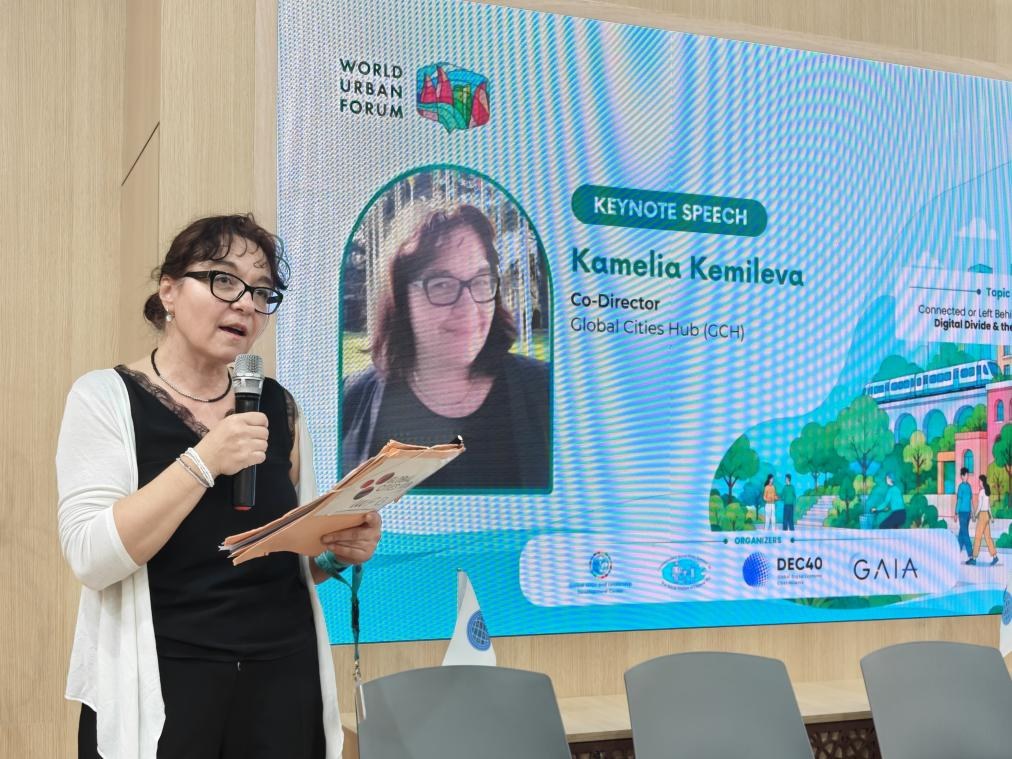
Ms. Kamelia Kemileva, Co-Director of the Global Cities Hub, delivered the first keynote. She stressed the urgency of bridging the digital divide and managing digital resources as common goods. Citing Rio de Janeiro as an example, she showed how AI-supported urban planning has improved living standards in vulnerable communities.
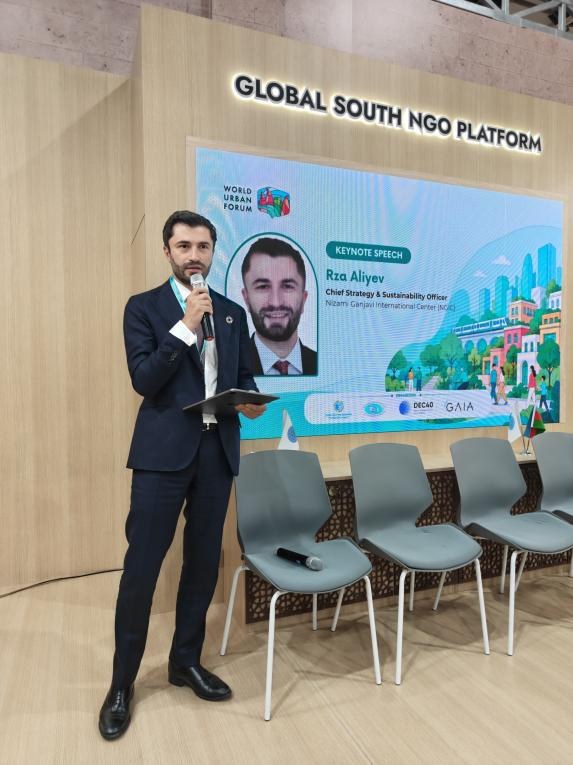
Mr. Rza Aliyev, Chief Strategy and Sustainability Officer of the Nizami Ganjavi International Center, followed with a keynote on secure, transparent, and human-rights-based data stewardship. He highlighted cities such as Seoul and Beijing, where digital societies empower local governments and communities to co-manage digital assets and strengthen urban governance.
High-Level Panel: Diverse Voices, Shared Vision
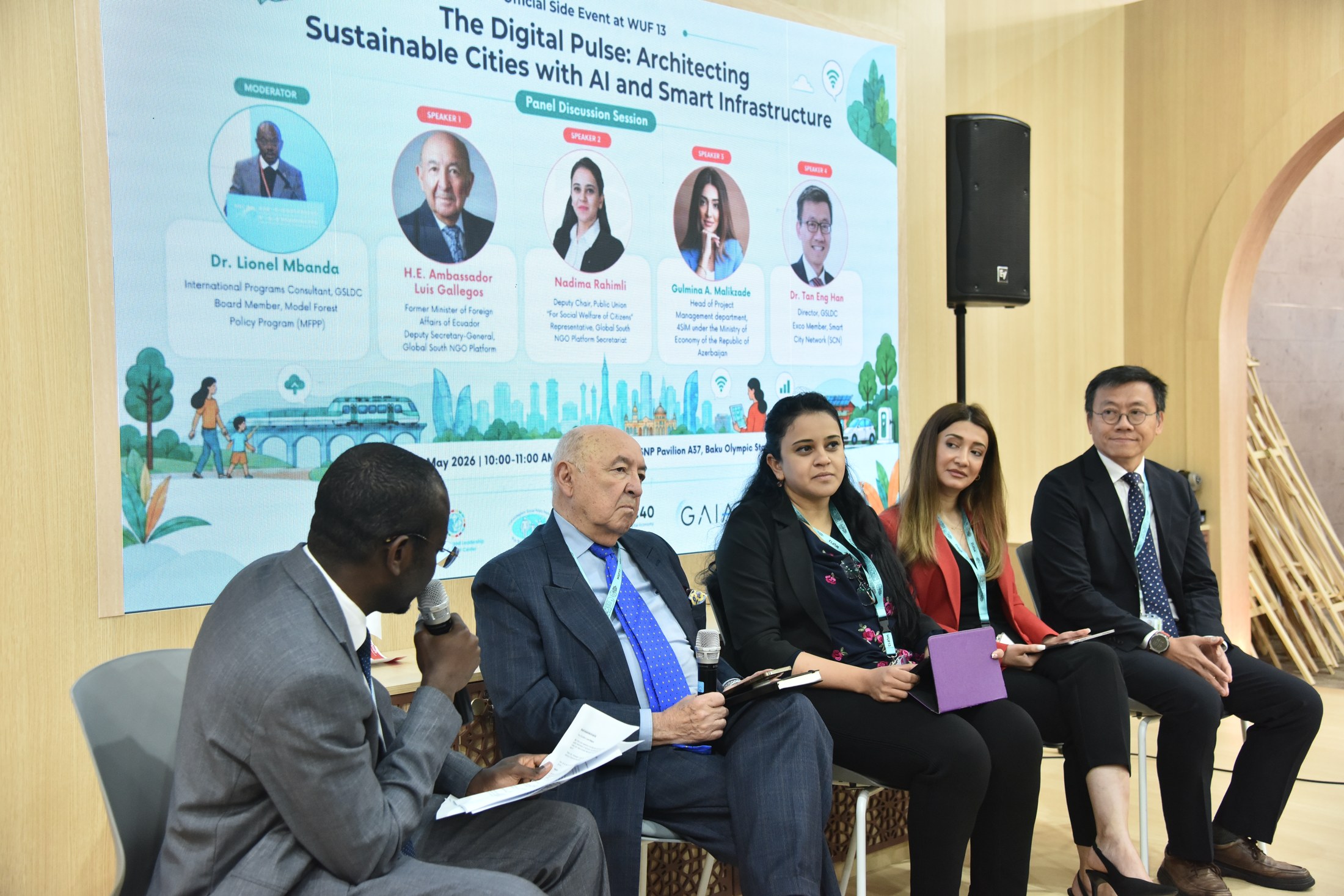
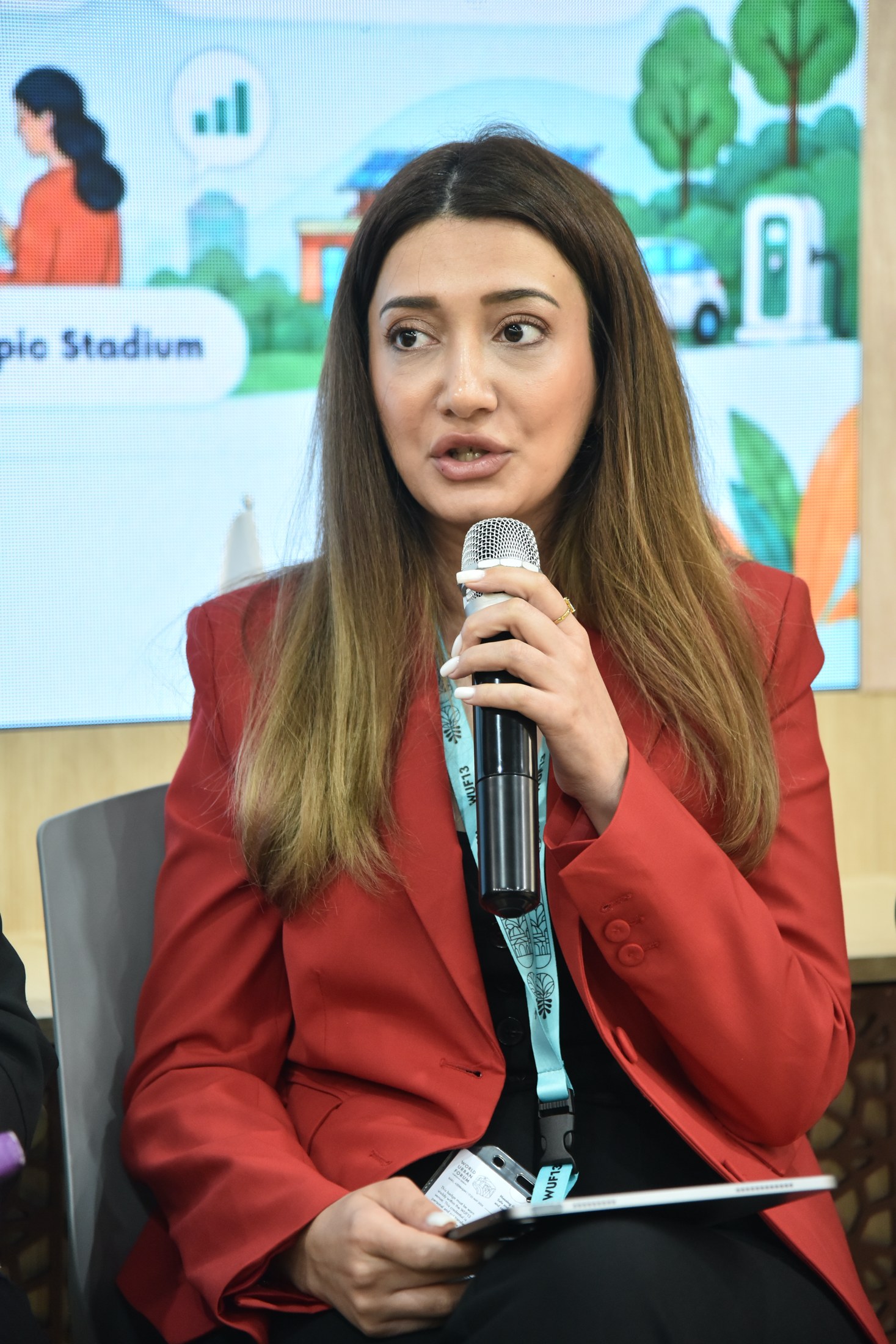
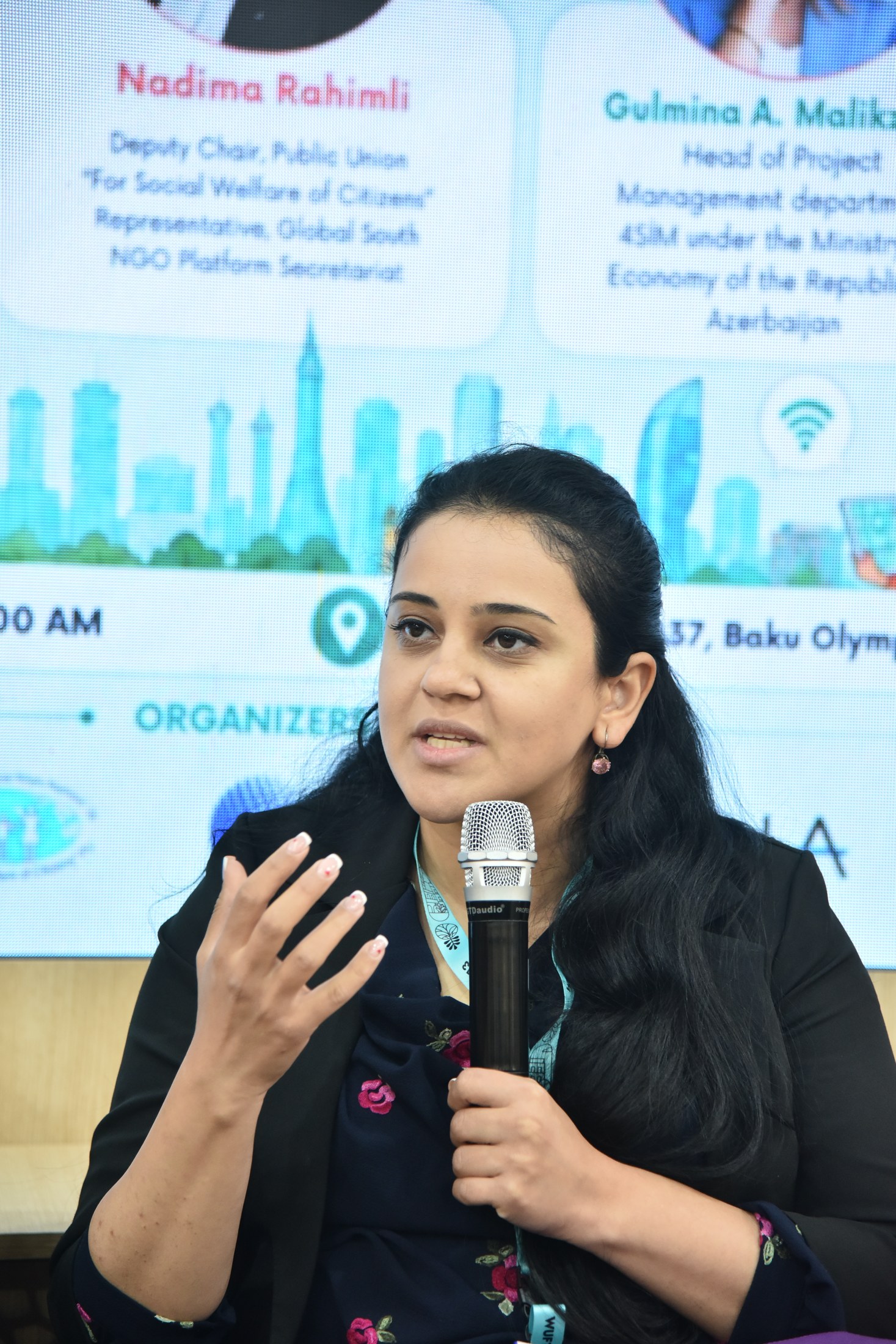
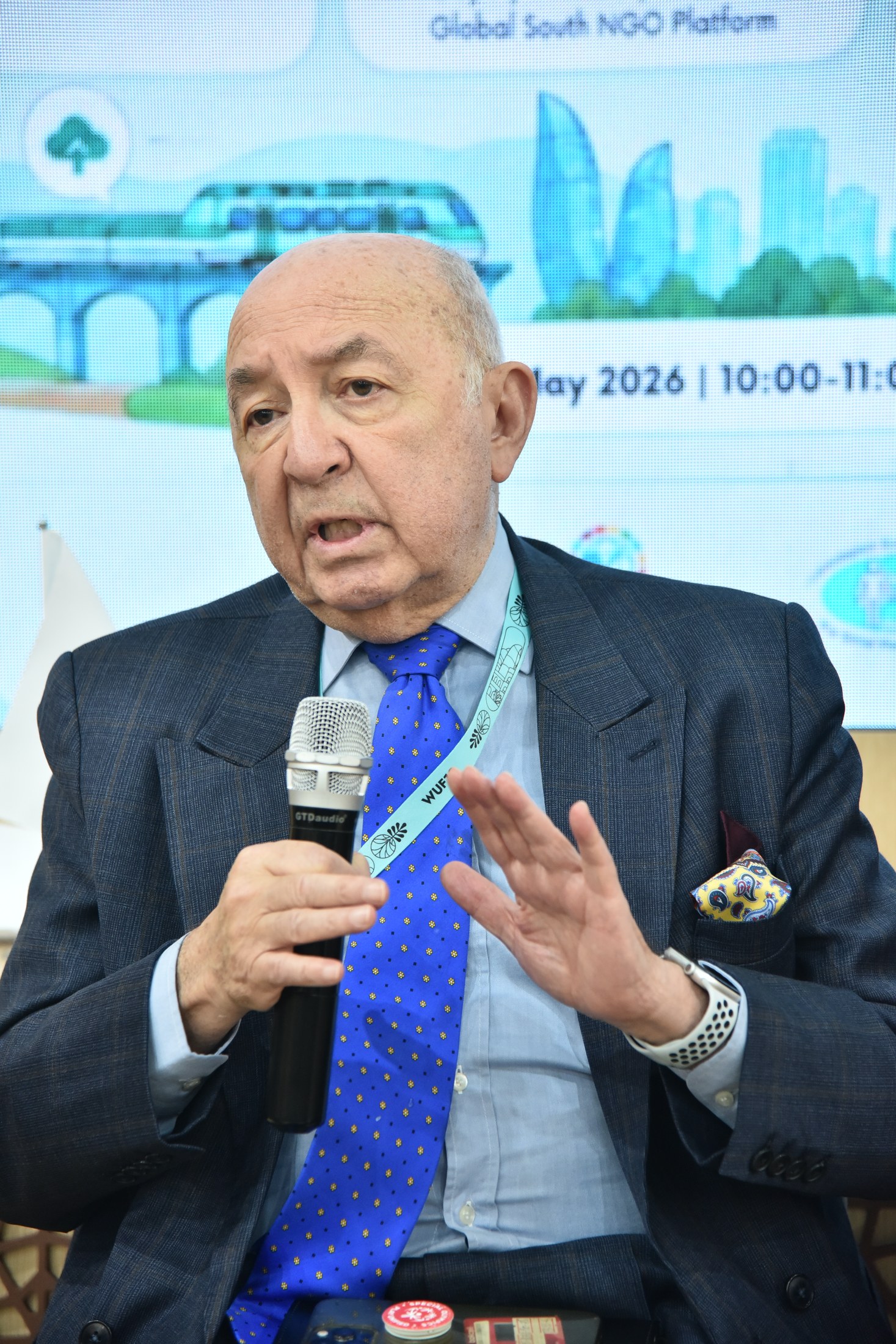
The panel dialogue was moderated by Dr. Lionel Mbanda, International Programs Consultant at GSLDC. Panellists included:
- H.E. Ambassador Luis Gallegos, former Minister of Foreign Affairs of Ecuador and Deputy Secretary-General of the Global South NGO Platform;
- Ms. Nadima Rahimli, Deputy Chairperson of the Public Union “For Social Welfare of Citizens” and representative of the Global South NGO Platform Secretariat;
- Ms. Gulmina A. Malikzade, Head of Project Management Department, C4IR Azerbaijan / 4SİM, Ministry of Economy of the Republic of Azerbaijan;
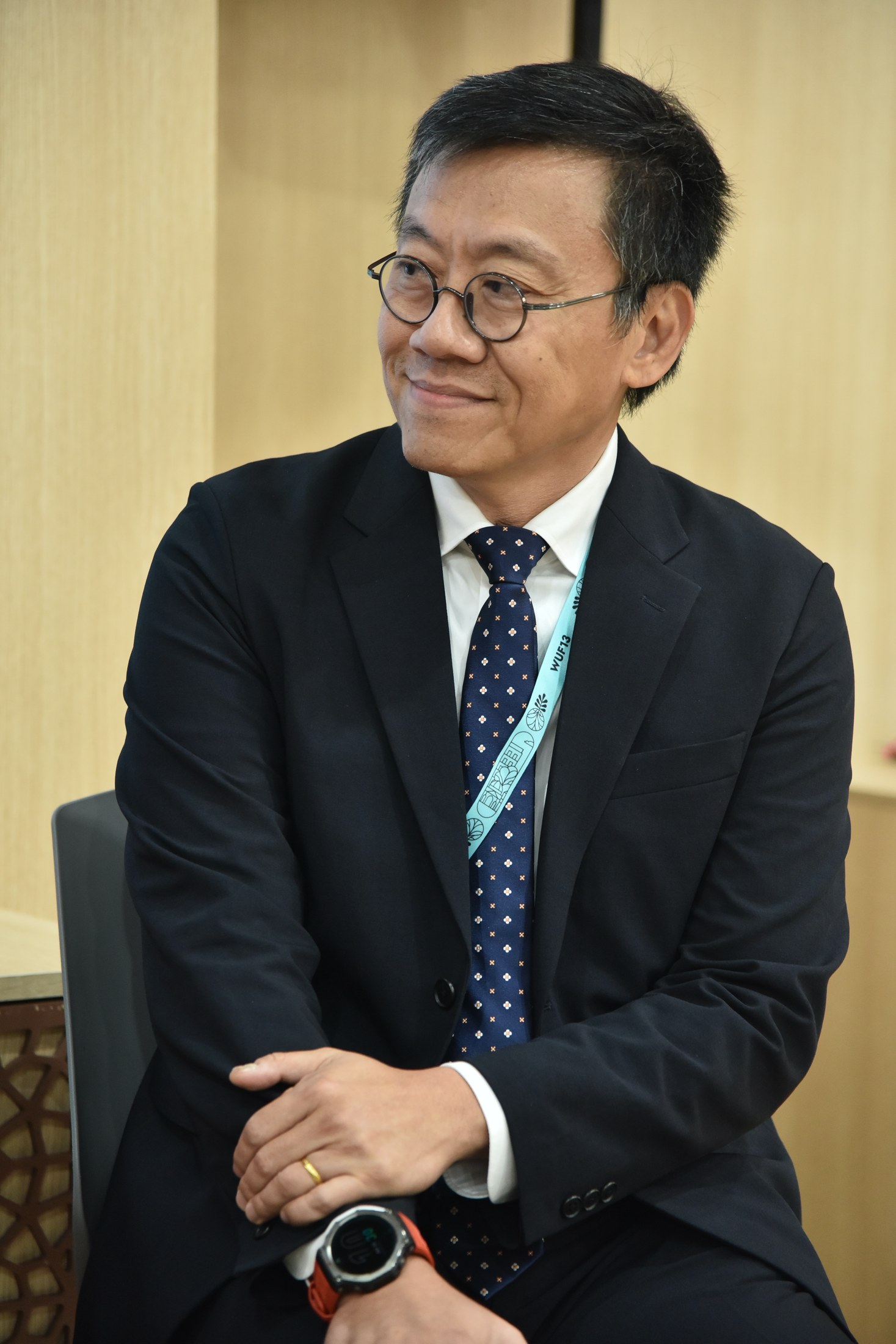
- Dr. Tan Eng Han, Director of GSLDC and Executive Committee Member of the Smart City Network (SCN).
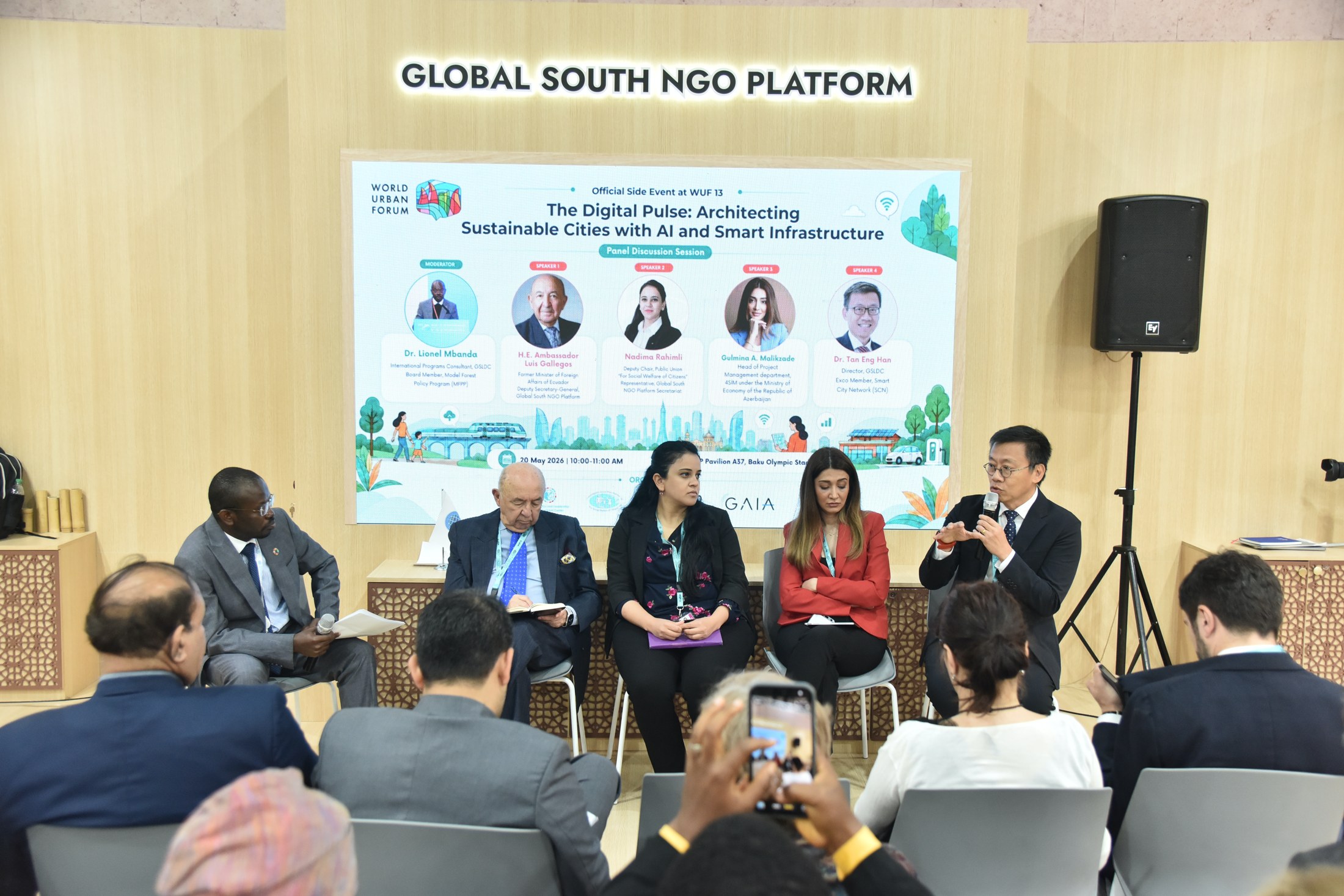
The panel explored how cities can lead inclusive innovation, strengthen digital governance, and ensure technological transformation remains people-centred, equitable, and aligned with the Sustainable Development Goals.
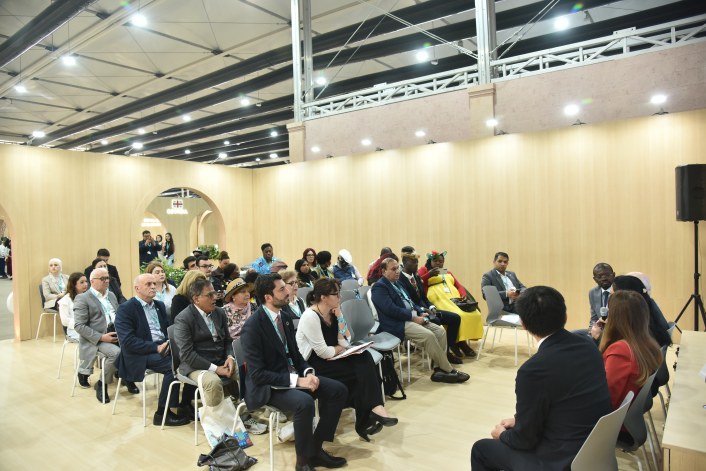
A special moment of the session came when Princess Jahnavi Kumari Mewar, Chairperson of Ubertas World and Founder of Power of Policy, attended as a distinguished guest. Sharing insights from her work on Bio-Harmonic Civilization, she captivated the audience with reflections on integrating biological balance and life harmony across nature and society.
Launch of Two Flagship Initiatives
The side event concluded with two major announcements, presented by Dr. Tan Eng Han, Director of GSLDC, on behalf of the Center.
First, the Global Digital Economy Lighthouse Program – a joint initiative with ITU, ITC, and DEC40.
Core message: The program identifies, recognizes, and scales outstanding digital innovation cases that solve real development challenges and can be replicated across different contexts as global public goods. Selected “Lighthouse Cases” will be featured in the Lighthouse Casebook (2026) and showcased at high-level summits in Beijing and Geneva.
Second, the Global Digital City Innovation and Capacity Building Hub – a new platform dedicated to equipping city leaders with training, feasibility study support, and access to financial and development institutions for smart city projects.
These announcements reaffirmed the organizers’ ongoing commitment to supporting cities, policymakers, and communities in advancing inclusive digital transformation.
Looking Ahead: Action Beyond Baku
The event closed with networking opportunities among speakers, the organizing team, and participants – strengthening dialogue and collaboration for people-centred, digitally enabled, and sustainable cities.
GSLDC extends its sincere appreciation to all co-organisers, distinguished speakers, and participants who made the session a success.
Media Contact:
Global SDGs and Leadership Development Center (GSLDC)
Email: Global-Digital-Lighthouse-Case-Collection@ungyldc.org