
GENEVA / PARIS, April 2026 – As the digital economy reshapes global development, the Global SDGs and Leadership Development Center, a UNITAR affiliated institution, organized and led a Beijing digital economy delegation on a mission to Geneva and Paris.
Leveraging its multilateral coordination and capacity-building expertise, the Center helped the delegation engage key global digital governance bodies, align Beijing’s benchmark digital city efforts with the UN 2030 Agenda, and achieve a series of concrete cooperation outcomes.
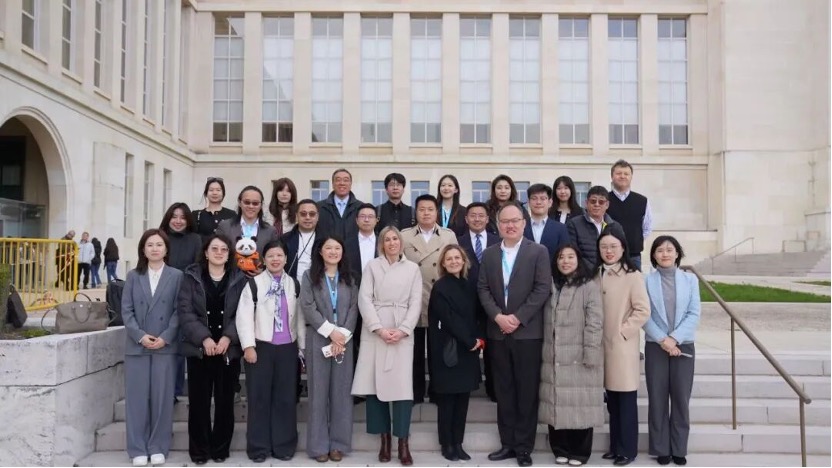
The Center served as the full coordinator and strategic guide for the visit, handling itinerary planning, high-level liaison, agenda setting, and on-site execution. Under the Center’s coordination, the delegation visited the International Telecommunication Union (ITU), UN Trade and Development (UNCTAD), the UN Institute for Training and Research (UNITAR), the International Trade Centre (ITC), and UNESCO.
The delegation also successfully hosted the 2026 GDEC Digital Economy Cooperation and Innovation Forum and the “Beijing Night” reception at the Palais des Nations in Geneva.
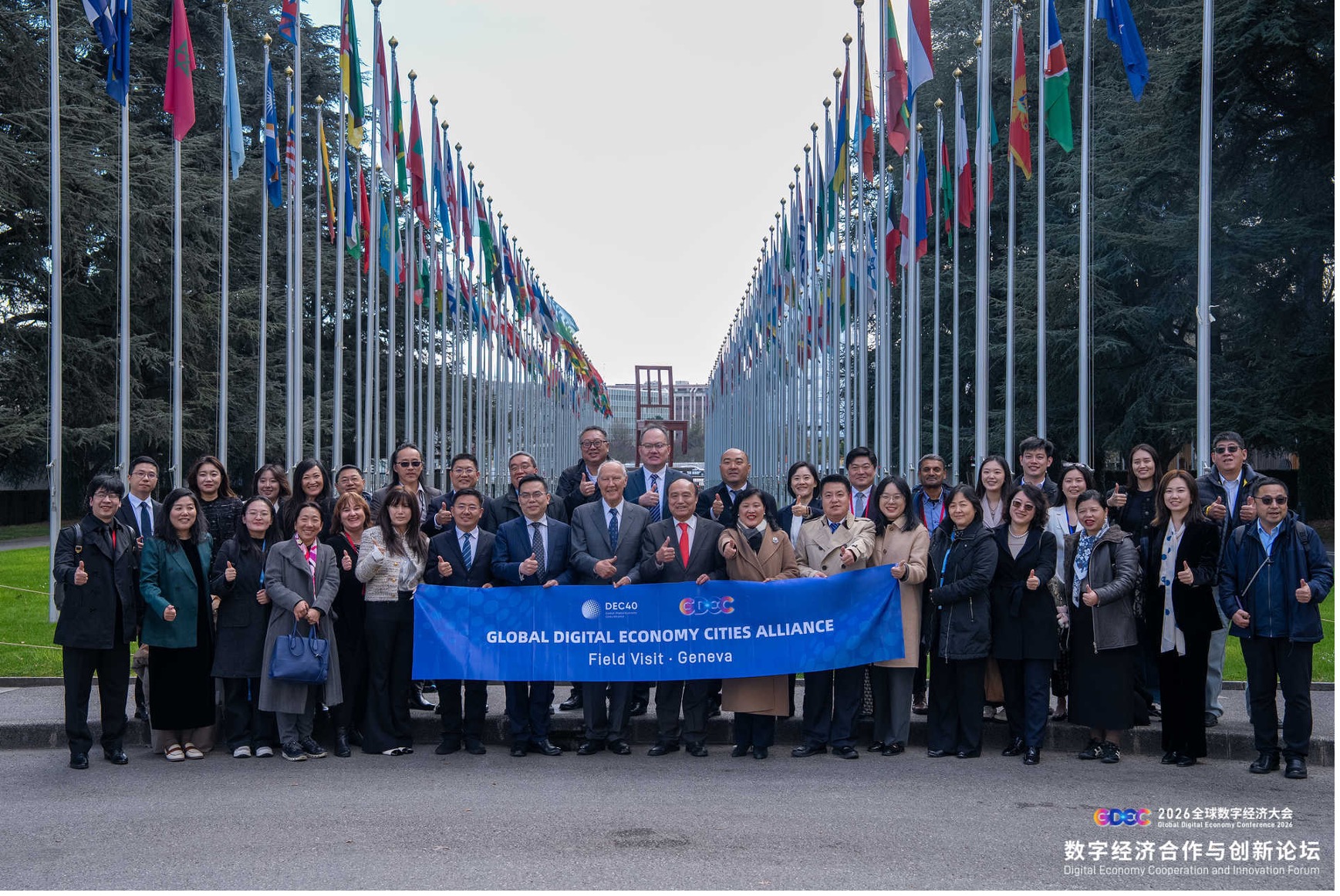
Beijing Delegation and Key Participants
The Beijing delegation included officials from the Beijing Municipal Bureau of Economy and Information Technology and the Foreign Affairs Office of the Beijing Municipal Government, as well as staff from the DEC40 secretariat.
The delegation also comprised the Beijing Go Global Hub for Digital Enterprises and leading digital firms such as HollySys, Qi-Anxin, and Beijing Guanxuan Technology, covering digital R&D, cybersecurity, smart manufacturing, and digital creativity.
During the visit, Center Director Grace Gao led her team to facilitate targeted meetings between the Beijing delegation and key international organizations, turning the Center’s network advantages into concrete cooperation projects and consensus.
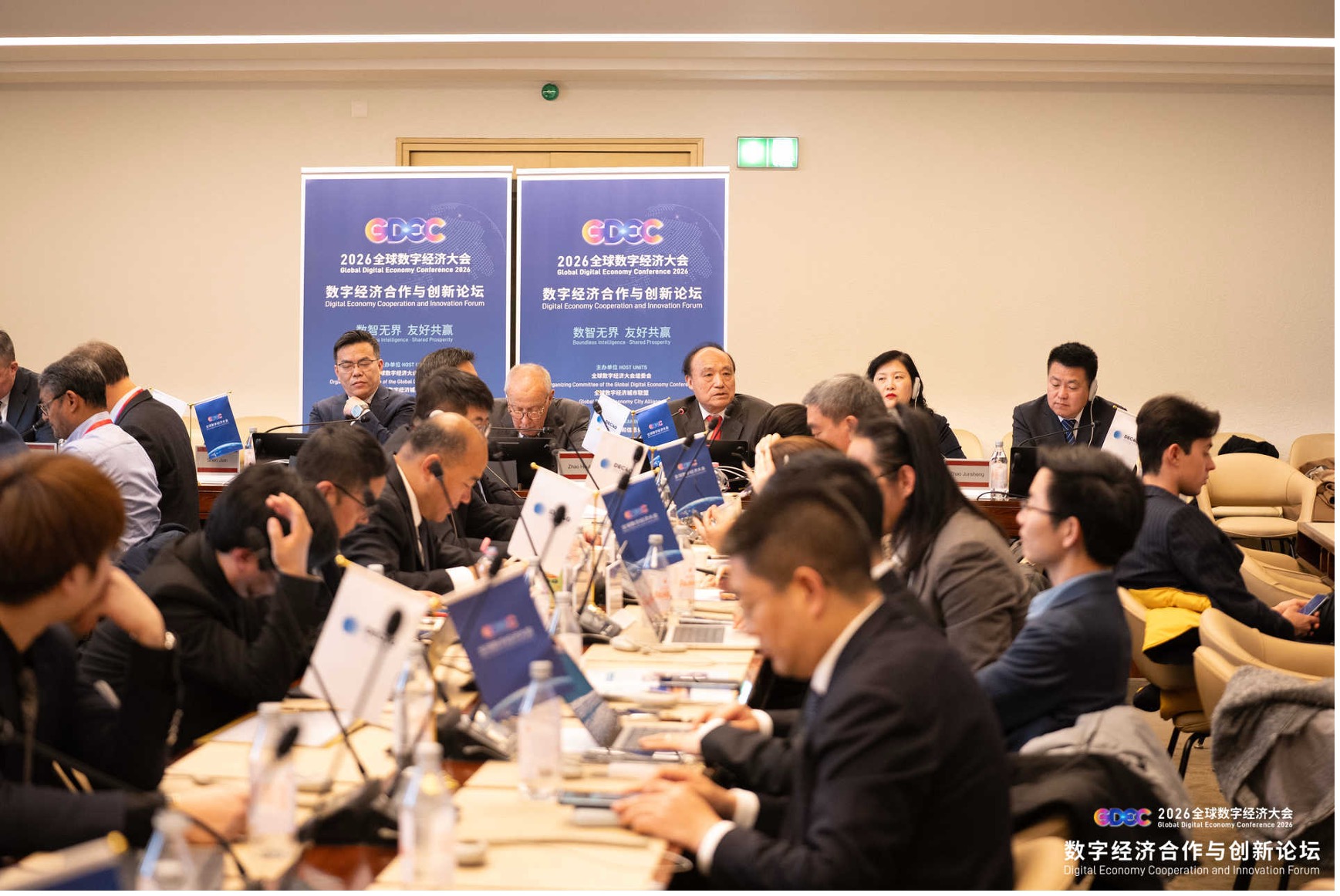
Forum Platform: Building Global Digital Governance Consensus
The March 31 “Digital Economy Cooperation and Innovation Forum” at the Palais des Nations was the first overseas sub-forum of the 2026 GDEC. Under the theme “Boundless Intelligence, Shared Prosperity,” it brought together over 150 leaders from governments, businesses, academia, and international bodies including the UN Secretariat, ITC, ITU, and UNITAR.
The Center acted as the full implementing partner, contributing to agenda design, international guest invitations, and outcome coordination.
At the forum, the Center and UNITAR announced the launch of the second cohort of the “International Digital Economy Governance and Leadership Capacity-Building Program.” The program expands from Asia to Europe, Southeast Asia, Central Asia, and the Middle East, with a focus on AI governance, digital trade rules, and inclusive digital transformation.
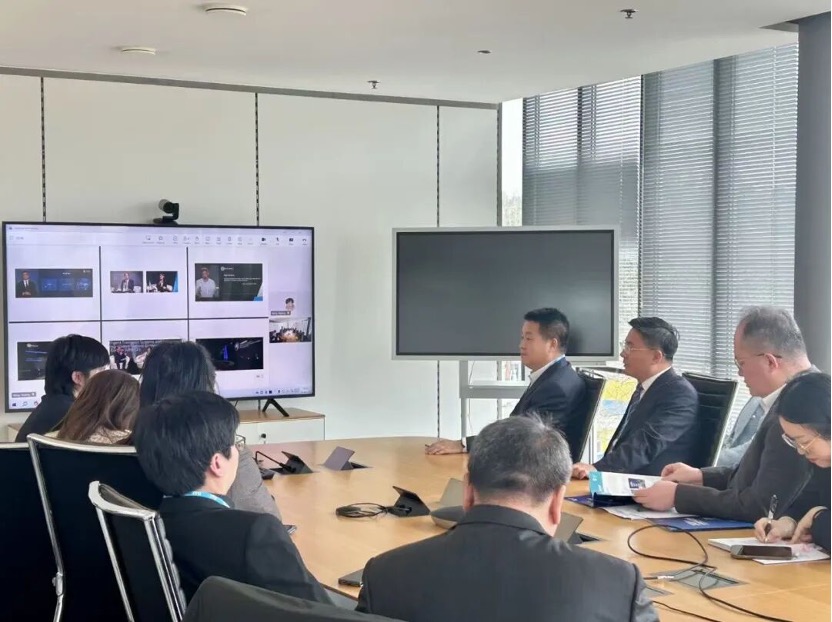
Deep Engagement with International Organizations: Advancing Digital Governance Synergies
Throughout the mission, Center Director Grace Gao headed the team in facilitating targeted engagements between the Beijing delegation and multiple core international organizations, driving a series of meaningful cooperation agreements and translating the Center’s international network strengths into tangible initiatives.
International Telecommunication Union
At ITU, the Center arranged working meetings with the Telecommunication Standardization Bureau (TSB) and the Secretary-General’s Youth Office.
The two sides agreed on the “Global Digital Economy Lighthouse Cases Collection” project, which will use ITU’s “AI for Good” global summit to gather outstanding AI-for-sustainable-development cases.
The Center also helped launch the “AIGC For Future” global innovation competition, co-organized by ITU and DEC40, giving young people an international stage to showcase AI innovations.
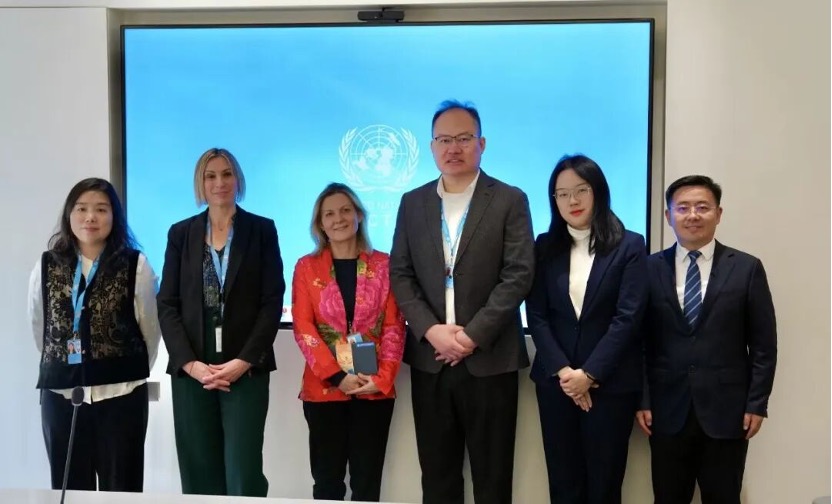
UN Trade and Development
At UNCTAD, the Center organized a meeting with Cecile Barayre, head of the E-commerce and Digital Economy Branch, and the “eTrade for all” team.
They exchanged views on the latest UN “Global Digital Economy Report” and learned about UNCTAD’s recent work and activities in China.
International Trade Centre
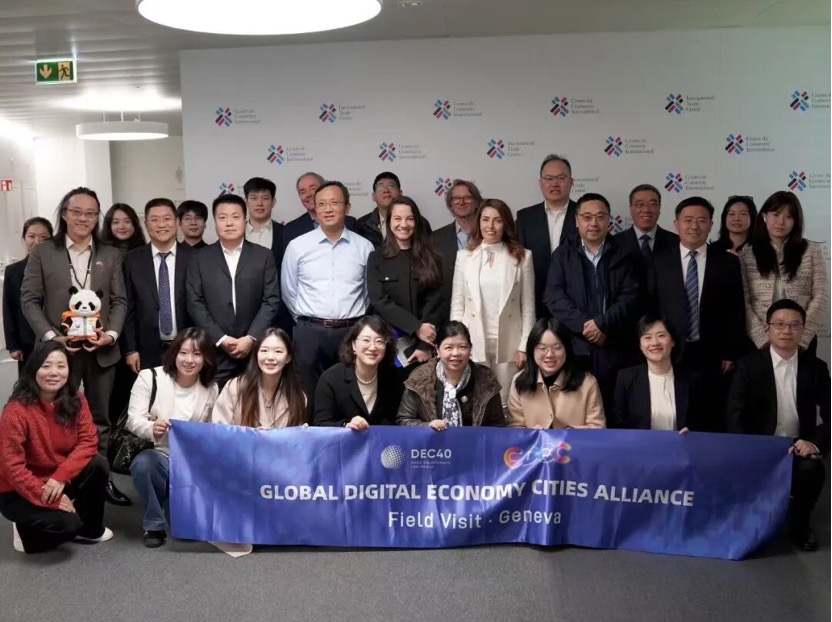
At ITC, the Center facilitated a working meeting with the Asia-Pacific Office. They discussed the feasibility of jointly collecting best practices and providing capacity building on digital trade in Latin America, Africa, Southeast Asia, and the Middle East.
ITC, as a core UN agency supporting SME trade, has rich experience in digital trade capacity building. The Center hopes to integrate ITC’s “trade for good” philosophy with DEC40’s city-level practices, identify regionally relevant digital trade cases, and help SMEs in developing countries better access global digital trade.
UNESCO
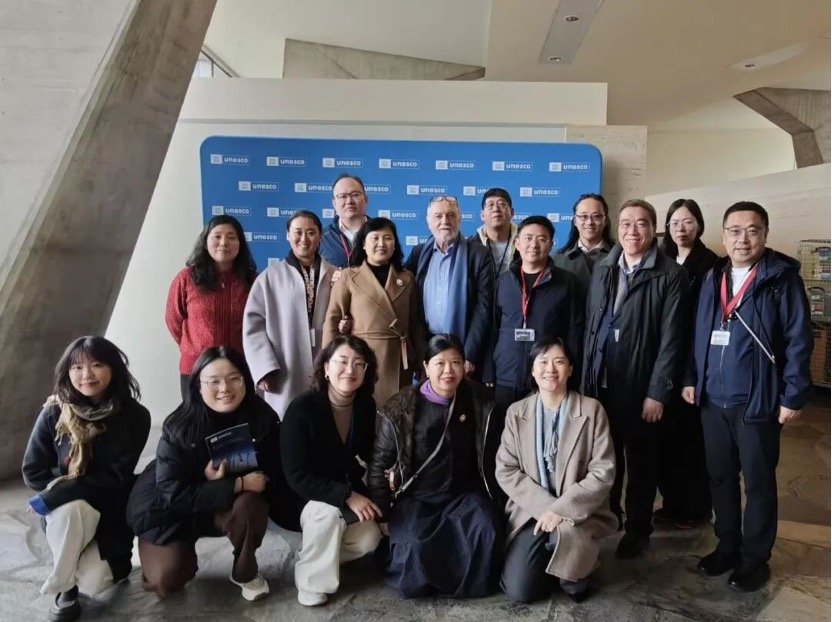
At UNESCO, the Center arranged talks with the Division for Inclusion and Gender Equality (IGE) and the International Film, Television and Audiovisual Communication Council (IFTC).
They discussed digital creative industries, focusing on connecting Beijing’s strengths in film effects, digital games, and extended reality (XR) with UNESCO’s cultural diversity mission.
Expanding Engineering Cooperation: Empowering Youth with WFEO
During the visit, Center Director Grace Gao held a bilateral meeting with Dr. Moez Chakchouk, President of the World Federation of Engineering Organizations (WFEO).
They reached preliminary consensus on cooperation at the July 2026 “AI for Good” Global Summit in Switzerland, where the Center will co-organize a seminar on AI and engineering innovation.
They also explored a possible collaboration on the “Digital Youth Hub” initiative, which aims to train the next generation of engineering and technology leaders with digital skills and a sustainable development vision through technical training, project incubation, and international exchanges.
This partnership expands the Center’s international network in engineering and technology and brings new resources to youth empowerment.
Outcomes on the Ground: Building a New Ecosystem for Global Digital Capacity
Through this mission, the Center successfully connected Beijing’s digital economy practices with the global networks, standard-setting capabilities, and talent development resources of the UN and international organizations.
The cooperation consensus covers digital governance rules, youth leadership, women’s digital inclusion, AI innovation, digital trade facilitation, product digital passport standards, and digital creative industries, forming a complete loop from policy dialogue to project implementation.
As the first UNITAR-affiliated institution focused on SDGs capacity building and leadership development, the Center’s core function is to build multilateral bridges between global governance resources and local practical innovation.
Coordinating the Beijing delegation’s visit is a typical example of this mission. Through the Center’s organization and coordination, Beijing’s digital economy practice has achieved deep resonance with the UN’s sustainable development agenda.
Looking ahead, the Center will continue to use the UN network to help more cities and countries make progress in digital economy governance, talent cultivation, and standards coordination.
The main session of the 2026 Global Digital Economy Conference will take place in Beijing in July 2026. The Center will continue as a core partner, helping to showcase and further implement the above cooperation outcomes at the conference, and contributing UN-backed expertise and systemic solutions to global digital economy development.