- Home
-
About Us
-
Program
-
Media
- Volunteer & Internship
-
Academy
- InnoHub
- Contact Us

About Us
Global SDGs Leadership Center
The Global SDGs Leadership Center (GSLC, formerly GSLDC; hereinafter “the Center”) is an independent international institution for research, education and capacity building, dedicated to supporting the implementation of the United Nations 2030 Agenda for Sustainable Development and the Sustainable Development Goals (SDGs). The Center works on innovation in global governance, international leadership development and local sustainable development practice, so that international development approaches, specialized knowledge and multistakeholder cooperation mechanisms respond more effectively to the development priorities of countries, cities and communities.
The Center originated from a collaborative initiative jointly launched by the United Nations Institute for Training and Research (UNITAR) and the Global Youth Leadership Development Council (GYLDC); its predecessor was the UNITAR Singapore SDGs Center. Under that initiative the Center worked primarily through training, capacity building and international exchange, building a practical base of programmes, experts and partners. As the 2030 Agenda moves into its delivery phase, demand for policy design, localization and governance innovation has grown beyond what training alone can address. To serve the international community better through efficient management and long-term strategy, the Center transitioned in November 2026 from a cooperating institution under that initiative into a full-fledged independent international institution, with autonomous governance and independent project decision-making to safeguard continuity, agility and a long-term perspective; its team, knowledge products and partner network carry forward, and cooperation with the United Nations system and relevant international organizations on specific issues and projects can be advanced more efficiently.
With Geneva, Singapore, Beijing, Shanghai and Nairobi as its principal cooperation hubs, the Center is building a cross-regional, cross-sector network of professional collaboration. Its experts and partners include former senior officials of international organizations, representatives of academia, and senior professionals in technology, industry, finance, public policy and education. The Center provides policy research, capacity building, exchange and dialogue, and support for collaborative projects to intergovernmental organizations, national governments and public institutions, businesses, higher education and research institutions, and civil society organizations.
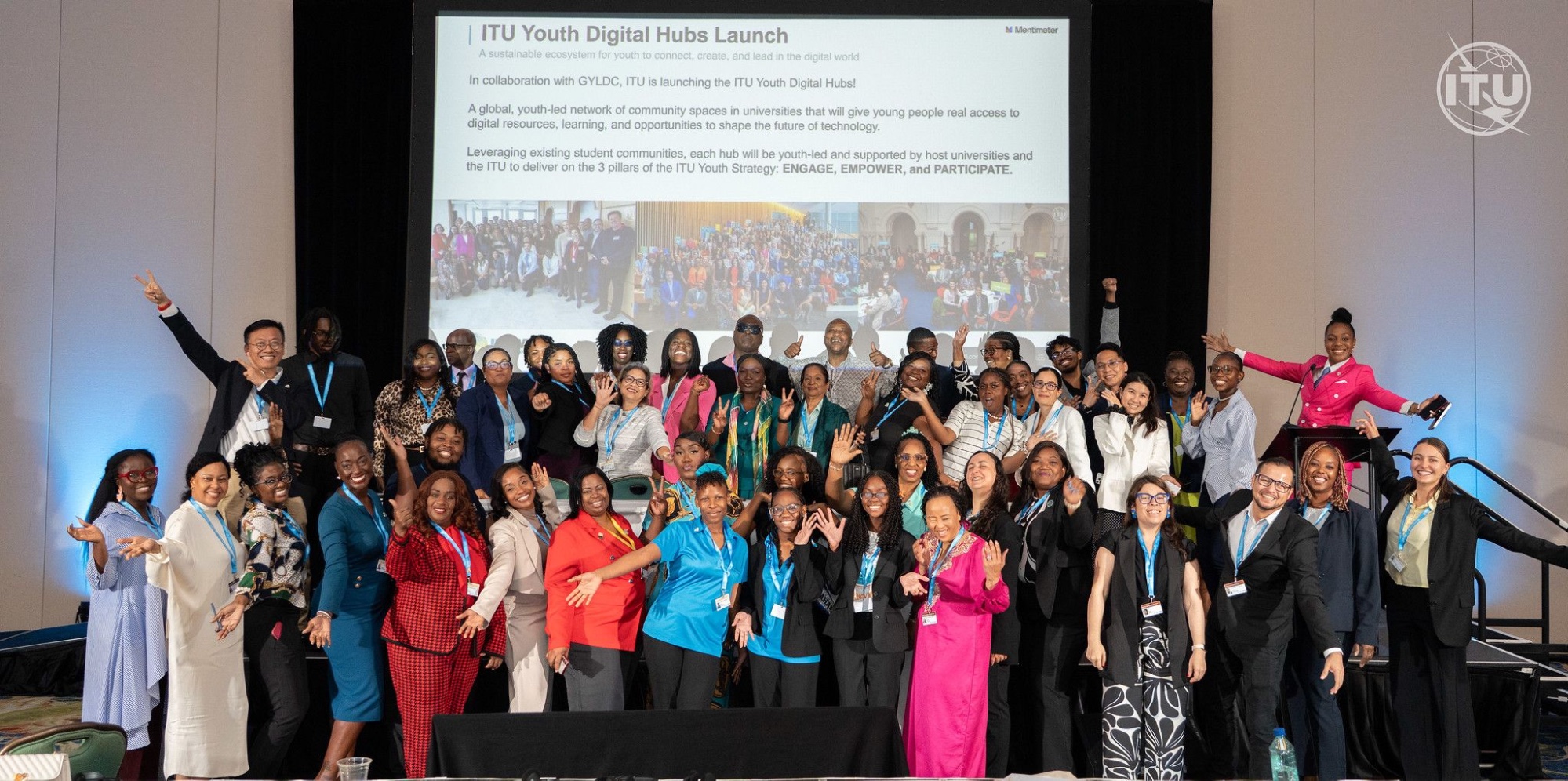
The Center’s work is organized around three interconnected priority areas: global governance and multilateral cooperation, encompassing policy and strategic research, international dialogue and the development of multilateral cooperation mechanisms; SDG localization, supporting partners in needs assessment, programme design, demonstration and replication in line with national and local development priorities; and the integration of digitalization and sustainable development, with attention to the digital economy, artificial intelligence (AI) governance and applications, and the role of technological innovation in inclusive, green and resilient development. Priority themes include climate action, the digital economy, AI governance and applications, sustainable finance, urban and community resilience, social innovation and future leadership. In digital development and youth innovation, the Center engages with the International Telecommunication Union (ITU), the International Trade Centre (ITC) and other partners on initiatives and activities such as Youth Digital Hubs, Digital Economy Lighthouse Cases, digital governance talent development, the AI Applications Innovation Challenge and the UN SDGs Design Exhibition.
Education and capacity building run through all of the Center’s work and remain a long-term priority. For young people and students, it provides education for sustainable development, global citizenship education and youth leadership development; for professionals and occupational groups, continuing education, vocational skills and training in the application of emerging technologies; and for government officials, public-sector managers and corporate executives, policy study programmes, professional training and international leadership development. Programmes emphasize case-based teaching, practical exchange and cross-regional learning, helping translate learning into individual competence and institutional capacity to act. The Center takes a needs-driven, evidence-based and multistakeholder approach that combines international experience with local knowledge. By convening professional resources across policy, education, technology, industry and finance, it supports partners in identifying practical needs, designing collaborative projects, implementing pilots and demonstrations, assessing results, and sharing and scaling proven practice, contributing to more inclusive, sustainable and resilient social and economic development.